Last updated on November 10, 2026 by Krysti
Trains, cable cars, ropeways, and even a sightseeing cruise – the Hakone Loop involves a little bit of everything. But how does it all fit together?
When I first started planning my trip to Hakone, I remember coming across the Hakone Loop and feeling a bit confused.
With multiple modes of transportation, different route variations, and several destinations to consider, it was all honestly a little overwhelming at first.
In the end, though, it turned out to be much simpler than it appeared – I just had to get my bearings.
At its core, the Hakone Loop is essentially a sightseeing route that connects several of the area’s most popular attractions.
Rather than being a single train line or organized tour, it involves hopping between different forms of transport as you make your way around the area.
You can travel the route in either direction and start from different locations, but the general idea is the same: follow a circuit through Hakone, stopping along the way to enjoy its scenery and attractions.
And because the journey involves such a unique mix of transportation, getting from one stop to the next becomes part of the experience itself.
In the guide below, I’ll walk through everything you need to know about the Hakone Loop, including where it goes, the different routes you can take, and how to plan your own seamless journey.
*Please note: This post contains affiliate links to trusted partners. If you make a purchase using these links, I will earn a commission at no extra cost to you. Thank you for your support!
What Is the Hakone Loop?
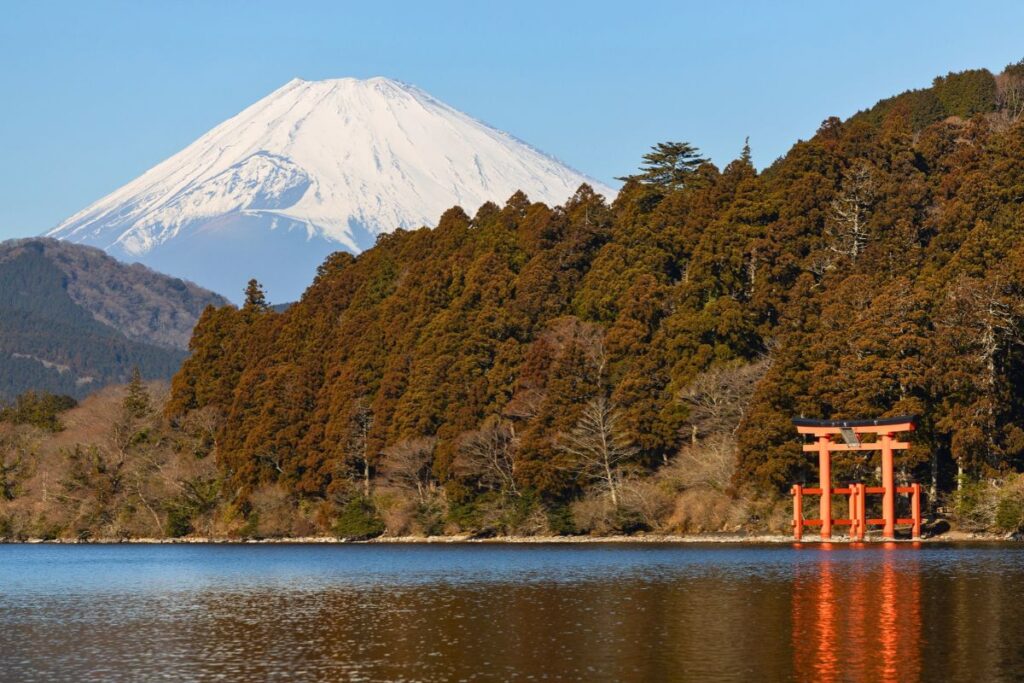
The Hakone Loop (also known as the Hakone Round Course) is a popular sightseeing route that travels across Hakone, Japan, connecting several of the region’s most notable destinations.
Using a variety of transit methods, the journey takes you through Hakone’s mountains, past its volcanic landscapes, and onto the shores of Lake Ashi.
Along the way, you’ll have the opportunity to visit some of the area’s most famous attractions, including Hakone Shrine, Owakudani Valley, and the historic Hakone Checkpoint.
How the Hakone Loop Works
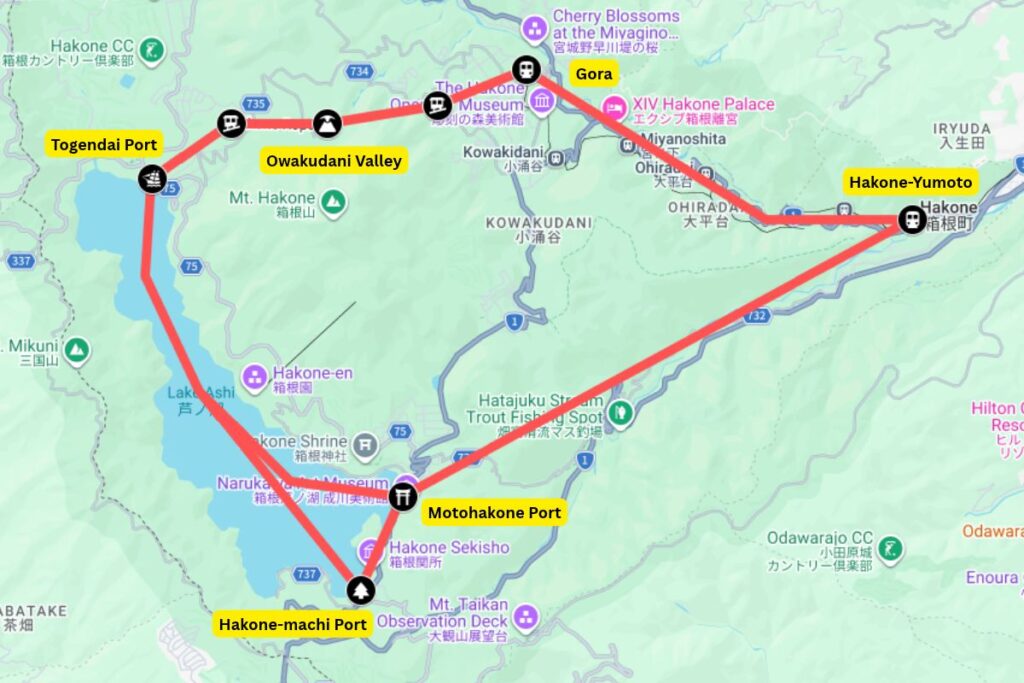
The Hakone Loop traditionally begins at Hakone-Yumoto Station, Hakone’s main gateway, home to countless local shops and restaurants.
From there, it travels to Gora, a mountain town known for its museums and gardens.
The journey then continues uphill to Sounzan, where you’ll board the Hakone Ropeway bound for Owakudani Valley – a volcanic area famous for its steaming vents and sulfurous fumes.
After exploring Owakudani, you’ll hop back on the ropeway headed for Togendai, a port along the northern shore of Lake Ashi.
Here, you’ll board a pirate-themed sightseeing cruise that will take you across the lake.
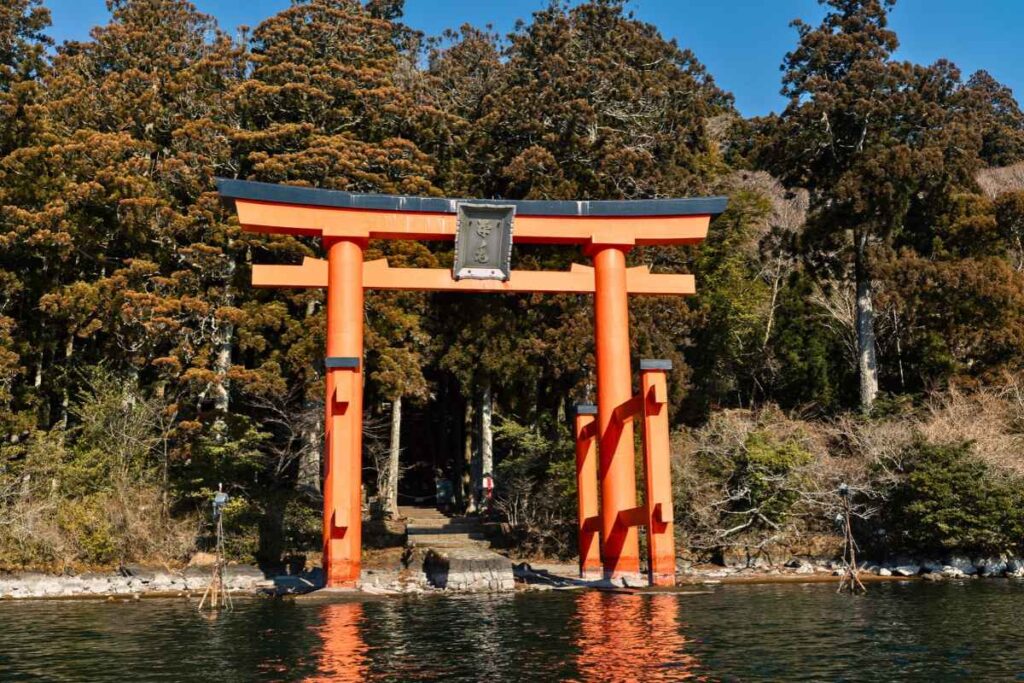
On the other side, you can choose between two drop-off points: Motohakone Port, near Hakone Shrine and its famous floating torii gate, or Hakone-machi Port, close to the historic Hakone Checkpoint.
From either location, local buses will connect you back to Hakone-Yumoto, completing the circuit.
To help give you a better sense of how everything fits together, here’s a quick overview how to navigate the Hakone Loop:
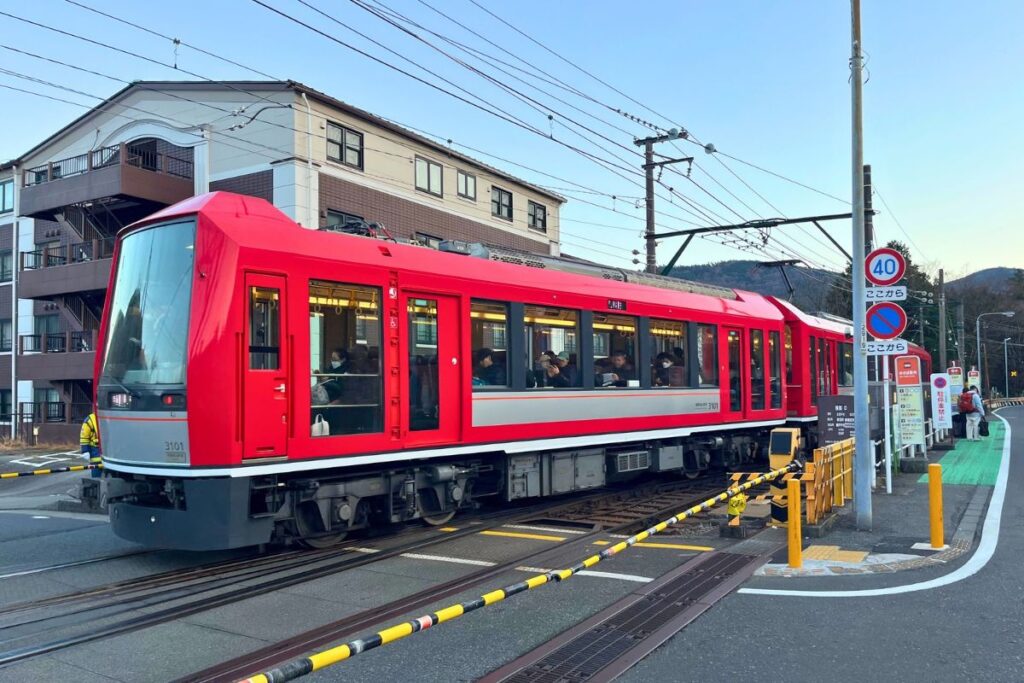
- Hakone-Yumoto Station → Gora Station: Via the Hakone Tozan Railway (40 mins)
- Gora Station → Sounzan Station: Via the Hakone Tozan Cable Car (10 mins)
- Sounzan Station → Owakudani Station: Via the Hakone Ropeway (15 mins)
- Owakudani Station → Togendai Port: Via the Hakone Ropeway (30 mins)
- Togendai Port → Motohakone Port or Hakone-machi Port: Via the Hakone Sightseeing Cruise (25 mins)
- Motohakone Port or Hakone-machi Port → Hakone-Yumoto: Via the local Hakone Tozan Bus (30 mins)
Of course, you don’t have to follow this exact route! You can travel it in either direction, start at a different point along the circuit, or skip an area entirely.
When I did the loop, I was staying in Gora, so I skipped Hakone-Yumoto altogether and began my journey from there.
I also opted to travel in the opposite direction, starting my day down by the waterfront so I could visit Hakone Shrine bright and early, before the crowds rolled in!
That said, there really is no right or wrong way to do it – it just depends on where you’re staying, which attractions you want to visit, and how you’d like to spend your day.
Stops Along the Hakone Loop
Now that you have a better idea of how the Hakone Loop works, let’s take a closer look at the stops along the way. I’ve included some of the most notable attractions in each area to help you decide where to spend your time.
Hakone-Yumoto & Gora
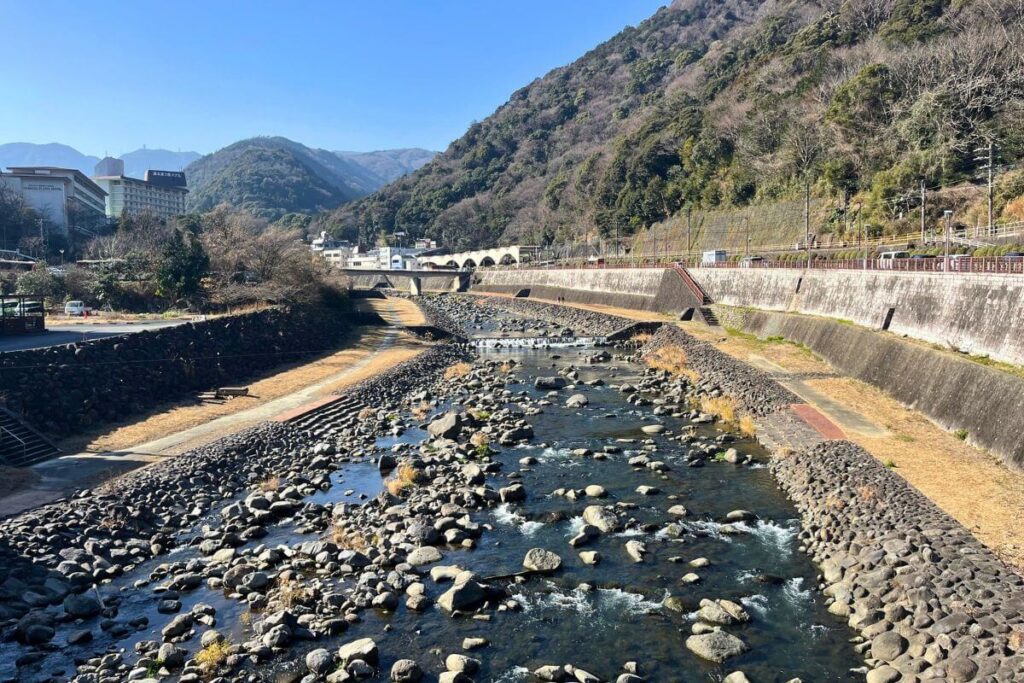
This is where most visitors begin the Hakone Loop – you can start from either Hakone-Yumoto or Gora, depending on where you’re staying.
- Hakone-Yumoto: The main transit hub for Hakone and a great place to explore before or after completing the loop. Here, you’ll find a lively shopping street lined with souvenir shops, food stalls, cafés, and restaurants.
- Gora: A popular sightseeing area in the mountains home to several unique attractions. Highlights here include the Hakone Open-Air Museum, a sprawling outdoor museum featuring sculptures and modern art, and Hakone Gora Park, a French-style garden with an on-site tea house.
Sounzan & the Hakone Ropeway
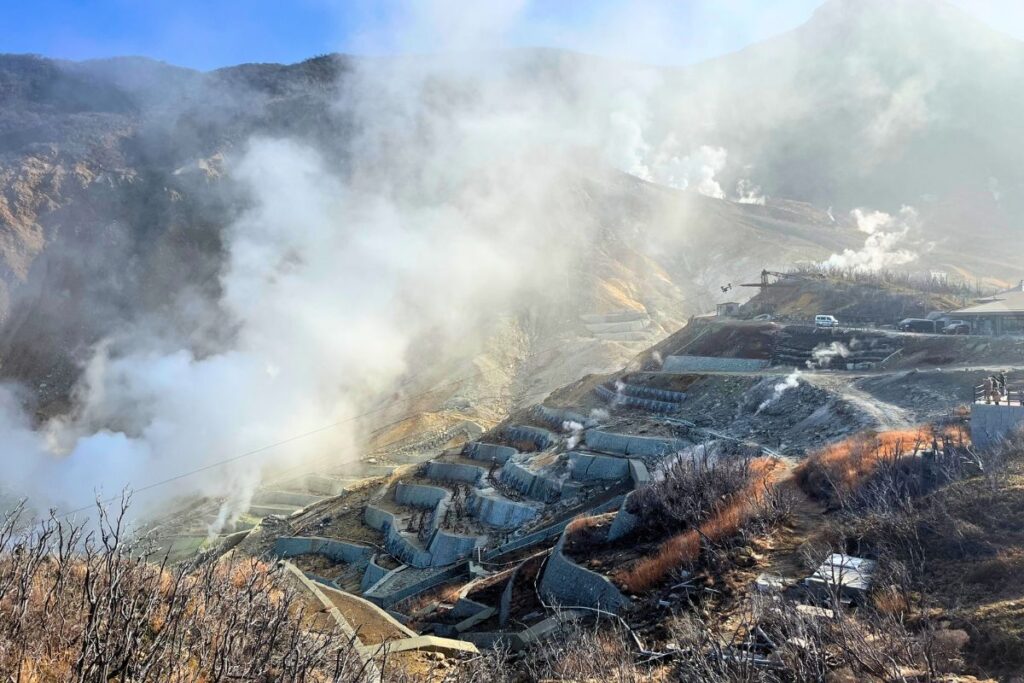
This stretch of the Hakone Loop takes you through the mountains, past volcanic landscapes, and toward the shores of Lake Ashi.
- Sounzan: Primarily a transfer point between the Hakone Tozan Cable Car and the Hakone Ropeway. There isn’t much to see around the station itself, but it’s where you’ll begin the scenic aerial journey toward Owakudani.
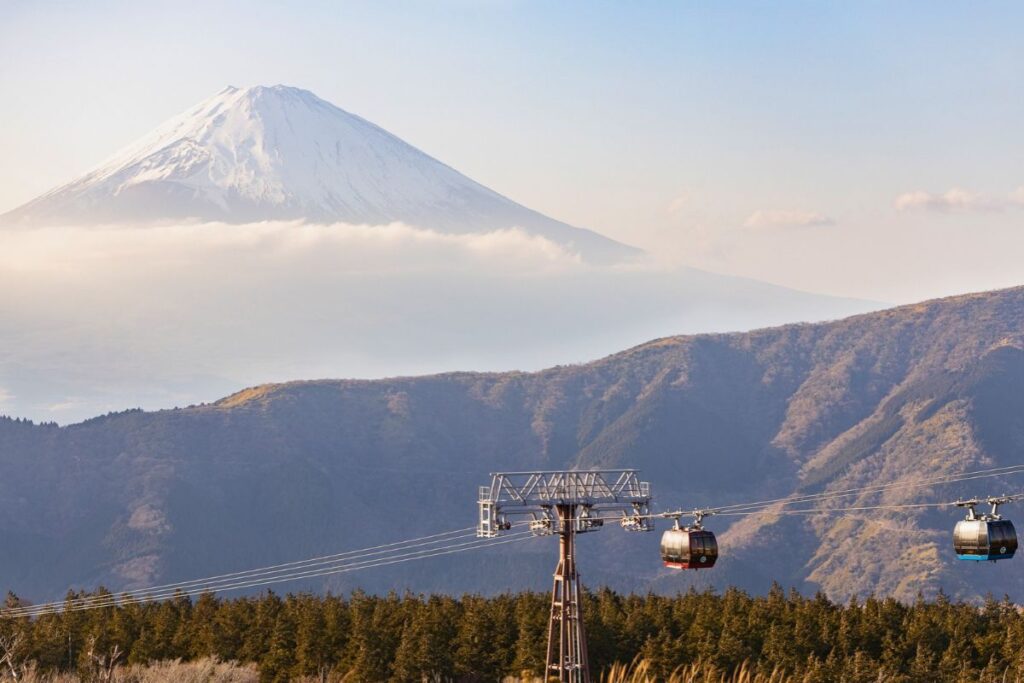
- Hakone Ropeway: One of the highlights of the Hakone Loop! The aerial journey offers fantastic views over the surrounding mountains, Owakudani Valley, and Lake Ashi. On clear days, you may even catch a glimpse of Mt. Fuji.
- Owakudani Valley: This dramatic volcanic landscape is known for its steaming vents, sulfurous fumes, and famous black eggs. You’ll also find an observation area, a small museum, and a few shops where you can pick up some souvenirs.
- Ubako: A quieter, optional stop along the ropeway. The area is known for its hot springs and mountain scenery, making it a nice detour if you have extra time.
- Togendai Port: A transportation hub located on the northern shore of Lake Ashi. This is where you’ll transfer from the ropeway to the sightseeing cruise.
Lake Ashi & the Sightseeing Cruise
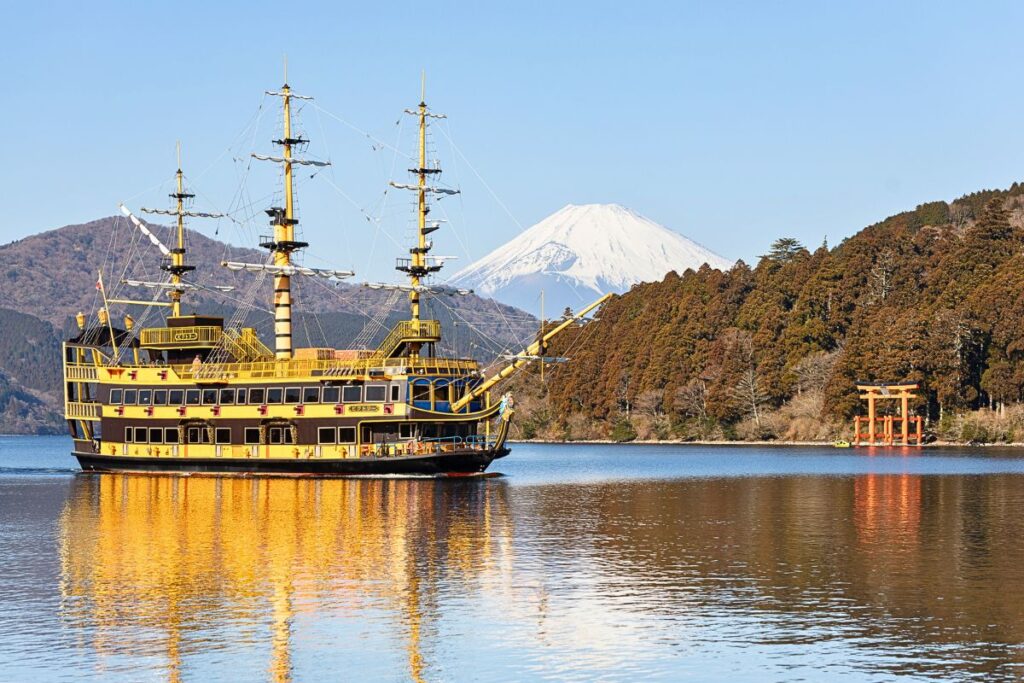
This is the final stretch of the Hakone Loop, where you’ll have the opportunity to explore some of Lake Ashi’s most popular attractions.
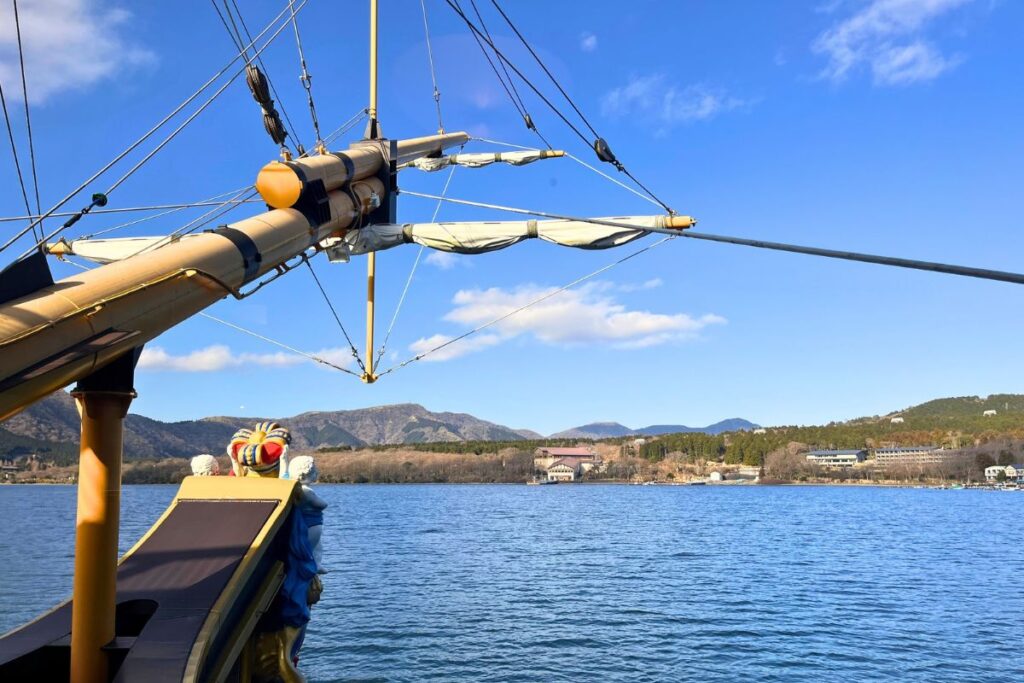
- Lake Ashi Cruise: A pirate-themed sightseeing ship that travels across Lake Ashi, with stunning waterfront scenery, views of Hakone Shrine and, on a clear day, Mt. Fuji. The cruise connects Togendai with Motohakone and Hakone-machi.
- Motohakone Port: A popular stop for visitors exploring the southern shore of Lake Ashi. Nearby, you’ll find Hakone Shrine, famous for its floating red torii gate, and the Narukawa Art Museum, which features Japanese art and panoramic views over the lake.
- Hakone-machi Port: An alternative stop to Motohakone, particularly if you’re interested in Hakone’s history. Nearby attractions include Hakone Checkpoint, a reconstructed Edo-period security checkpoint, the Old Tokaido Road, a historic walking route lined with towering cedar trees, and Onshi-Hakone Park, known for its walking paths and scenic views overlooking Lake Ashi.
Hakone Loop Itineraries: 4 Suggested Routes
Once you’ve decided which parts of Hakone you’d like to visit, the next step is working out how to fit them into your day. Here are four suggested routes to help you get started!
The classic route, and the one most people refer to when they mention the Hakone Loop.
Hakone-Yumoto → Gora → Sounzan → Owakudani → Togendai → Lake Ashi Cruise → Motohakone Port or Hakone-machi Port → Hakone-Yumoto
Best for: First-time visitors who want to experience the main highlights without adding too many extra stops.
2.) Extended Traditional Hakone Loop
The classic route extended with extra time to explore both ports along Lake Ashi.
Hakone-Yumoto → Gora → Sounzan → Owakudani → Togendai → Lake Ashi Cruise → Hakone-machi Port → Motohakone Port → Hakone-Yumoto
Best for: Travelers who want to see more of the Lake Ashi area and don’t mind a longer day.
3.) Reverse Hakone Loop
The classic loop in reverse, ideal for those who’d prefer to start their journey along Lake Ashi.
Hakone-Yumoto → Motohakone Port or Hakone-machi Port → Lake Ashi Cruise → Togendai → Owakudani → Sounzan → Gora → Hakone-Yumoto
Best for: Visitors who want to explore Lake Ashi and Hakone Shrine early in the day, before the crowds roll in.
4.) Extended Reverse Hakone Loop
The reverse route extended with extra time to explore both ports along Lake Ashi.
Hakone-Yumoto → Motohakone Port → Hakone-machi Port → Lake Ashi Cruise → Togendai → Owakudani → Sounzan → Gora → Hakone-Yumoto
Best for: Travelers who want to prioritize Lake Ashi and spend more time along the waterfront.
A Few Things to Keep in Mind
Remember, you don’t necessarily have to start or finish at Hakone-Yumoto. If you’re staying in Gora or another area along the route, you can adjust your starting point to suit your accommodation.
For the extended routes, allow extra time to explore both ports along Lake Ashi. A local bus connects Motohakone and Hakone-machi in just a few minutes, or you can walk between them if you’d like to visit some of the attractions along the way.
Finally, these are suggested routes rather than strict itineraries. Feel free to skip stops, spend more time at places that interest you, or explore additional attractions along the way.
🌟 Wondering what the Hakone Loop looks like in practice? Take a look at my 2-day Hakone itinerary to see how I incorporated it into my trip!
Hakone Loop & The Hakone Freepass
Since the Hakone Loop involves quite a few different journeys, transportation costs are something you’ll also want to take into consideration.
One option that can help keep those costs down is the Hakone Freepass, an all-in-one transportation pass that covers the main transit methods used along the circuit.
This includes the Hakone Tozan Railway, cable car, ropeway, Lake Ashi sightseeing cruise, and designated bus services.
Even better, the pass works for all four route variations outlined above.
Whether you follow the traditional loop, travel in reverse, or make extra stops around Lake Ashi, you can use the same pass as long as you stay within its designated coverage area.
The pass is available for 2 or 3 consecutive days, with options departing from either Shinjuku Station in Tokyo or Odawara Station, located just outside of Hakone.
The Shinjuku version even covers your journey from Tokyo to Hakone via the Odakyu Line!
While I personally didn’t end up using the Hakone Freepass (my husband and I opted to travel by car), it’s certainly something I would have considered had we relied on public transit.
Especially when you’re coming from Tokyo, the savings can really add up.
Just keep in mind, the pass only covers transportation, not admission to every attraction. However, some participating facilities do offer discounted entry to pass holders.
➡️ Interested in the Hakone Freepass? Check current prices and options here!
Tips for Navigating the Hakone Loop
While the Hakone Loop is relatively straightforward (once you get your bearings), there are a few things you’ll want to keep in mind before setting out. These tips will help you avoid common hiccups, make the most of your time, and enjoy a smoother journey around Hakone.
- Start Your Day Early: This is particularly important if you want to avoid crowds and long queues at popular attractions like Hakone Shrine.
- Check the Weather Forecast: Hakone’s weather can change throughout the day, particularly around the mountains and Lake Ashi. Poor visibility can also affect your chances of seeing Mt. Fuji.
- Verify Transportation Status: Public transit services around Hakone can experience disruptions from time to time. Before setting out, check the Hakone transportation status page for updates on trains, cable cars, the ropeway, sightseeing cruise, and buses. If a service is suspended, alternative or replacement transportation may be available.
- Allow Extra Time for Transfers: You may need to wait between trains, cable cars, ropeways, buses, and the sightseeing cruise, so avoid planning your day too tightly.
- Be Aware of Final Departure Times: This is especially important for the sightseeing cruise and ropeway, as missing the last service can affect the rest of your journey.
- Be Mindful of Volcanic Gases at Owakudani: The volcanic vents release gases that can pose health risks. Visitors with certain respiratory or heart conditions and pacemakers are advised to avoid the area. Pregnant visitors, infants, and older adults should also review the official safety guidance before visiting.
- Have a Flexible Itinerary: Don’t try to squeeze too many attractions into one day. The Hakone Loop involves several transfers, and unexpected delays or closures can affect your schedule. Prioritize the places you most want to see and leave some flexibility.
Frequently Asked Questions About the Hakone Loop

Here are my thoughts on some commonly asked questions about navigating the Hakone Loop!
How Long Does the Hakone Loop Take?
I’d recommend setting aside a full day to complete the Hakone Loop. There’s a lot to see here, so you’ll want to give yourself plenty of time to explore the attractions and enjoy the scenery along the way. It’s also best to start early, especially if you plan to travel the extended route!
Which Direction is Better for the Hakone Loop?
Neither direction is necessarily better than the other. It really all depends on what you’d like to prioritize during your visit. When I did the loop, I really wanted to see Hakone Shrine without the crowds, so I chose to start my day along Lake Ashi. However, if Owakudani’s volcanic scenery is higher on your list, you might prefer to do the loop in the opposite direction and visit that area earlier in the day. Ultimately, both routes offer the same highlights, so choose the direction that best fits your priorities and itinerary.
Can You Skip Parts of the Hakone Loop?
Absolutely! The Hakone Loop is flexible – you don’t have to complete the entire circuit or visit every stop along the way. You can skip certain sections, spend more time in the areas that interest you, or use local buses to travel between different parts of Hakone. Just keep in mind that skipping a section may mean missing out on some of the unique transportation experiences, so plan your route around what you’d most like to see and do.
What Happens If the Hakone Ropeway Is Closed?
If the ropeway is suspended due to strong winds, poor weather, dangerous volcanic activity, or scheduled maintenance, replacement buses typically operate to transport visitors between affected stations. That’s actually what happened when I visited! The ropeway between Owakudani and Sounzan was suspended due to scheduled maintenance, so we all had to pile into buses instead. Thankfully, the other sections of the ropeway were open, so we were still able to experience it and take in the views!
Can You Do the Hakone Loop with a Car?
You can drive between many of the same areas and attractions along the Hakone Loop, but you won’t get quite the same experience. By driving, you’ll miss out on some of the main transportation highlights, namely the cruise across Lake Ashi and the ropeway. During our trip to Hakone, my husband and I actually rented a car, but we opted to leave it behind so we could experience the loop in full. This meant we had to backtrack a little to pick up our car afterwards, but it was worth it for us in the end!
Final Thoughts: Hakone Loop
While the Hakone Loop may seem a little confusing at first glance, I promise it’s not as complicated as it looks!
Once you understand how the different transportation options connect, it’s actually a really fun way to explore the area.
From the volcanic landscapes around Owakudani to the beautiful views across Lake Ashi, there’s so much to enjoy along the way.
Whether you choose to follow the classic route, travel in reverse, or make a few extra stops, you can easily tailor the experience to suit your interests.
Just remember to leave yourself enough time to slow down and enjoy the journey!
Still have questions about the Hakone Loop? Feel free to drop them in the comments below. I’d be happy to help!
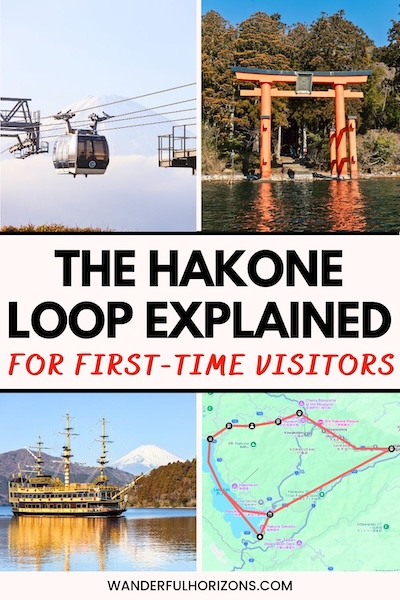
Enjoyed this Hakone Loop guide? Pin it now for later!


KRYSTI ATKINSON
Krysti is a travel writer currently based in Okinawa, Japan. Over the past 4 years, she has explored Japan extensively while traveling throughout Asia – from iconic cities to quiet, off-the-beaten-path destinations. Through Wanderful Horizons, Krysti shares detailed itineraries, practical travel tips, and firsthand recommendations to help travelers plan unforgettable adventures.