Last updated on October 24, 2026 by Krysti
Shibuya Sky is one of the most popular places to admire Tokyo from above – but are the views really worth it?
I’ve visited Shibuya Sky twice now, and I can see why it draws such massive crowds.
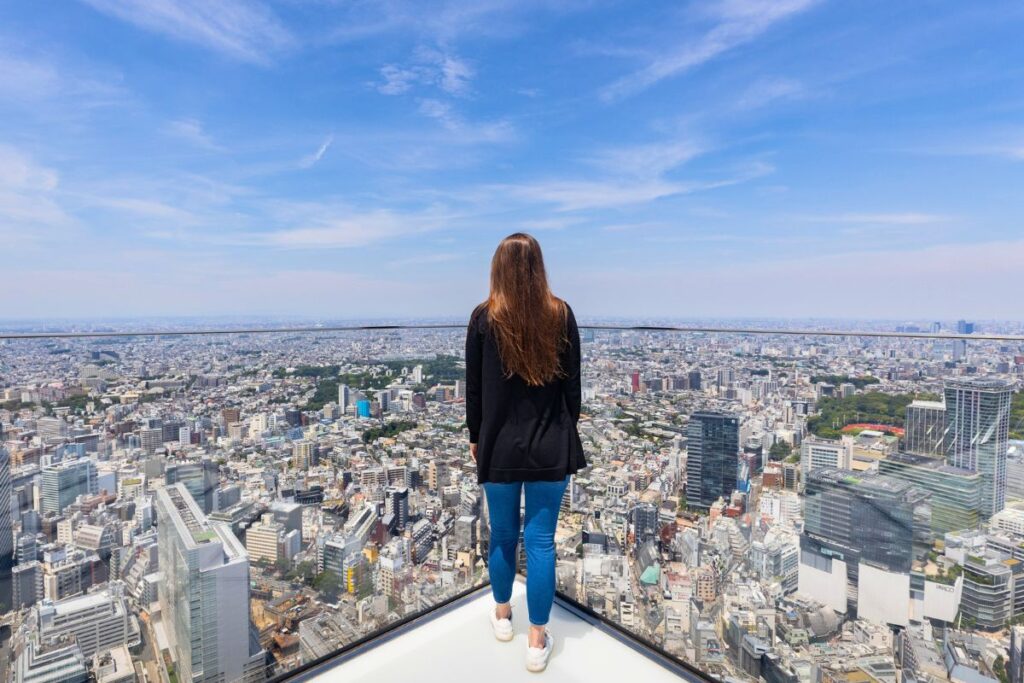
With its sweeping skyline views, open-air rooftop, and prime location above one of the city’s busiest neighborhoods, it certainly offers a unique perspective of Tokyo.
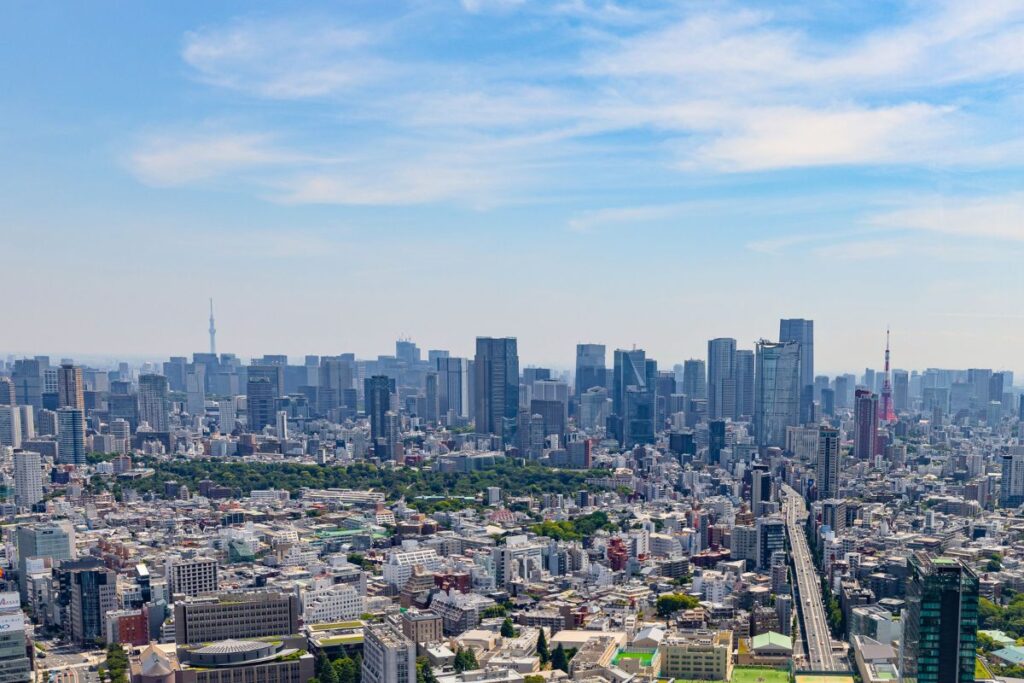
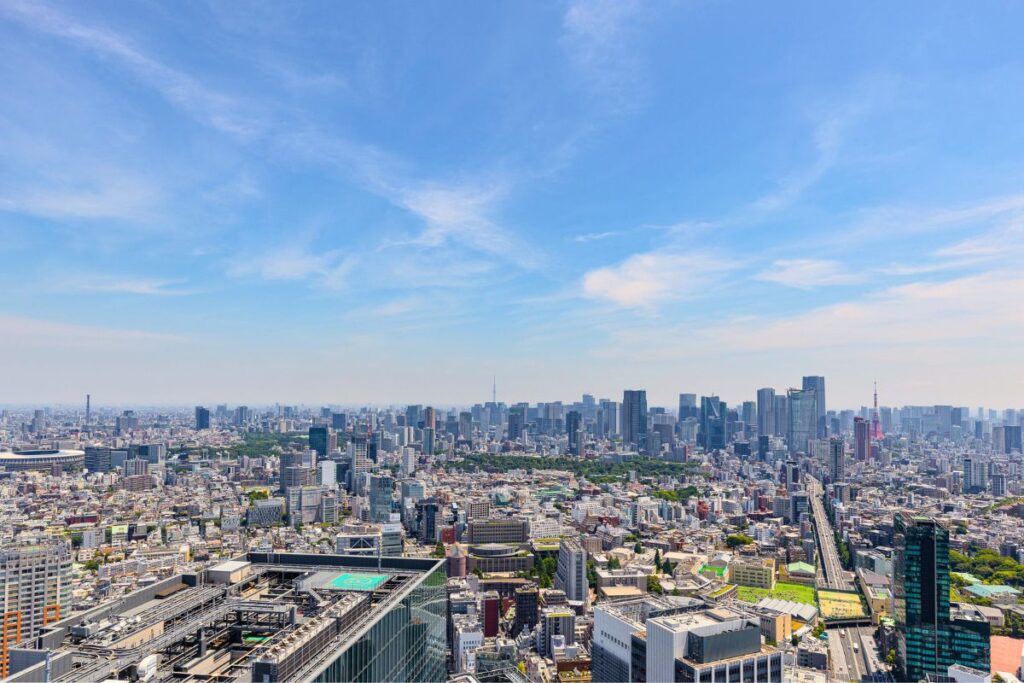
I mean, on a clear day, you can see everything from here, including Tokyo Tower, Tokyo Skytree, and even Mount Fuji in the distance!
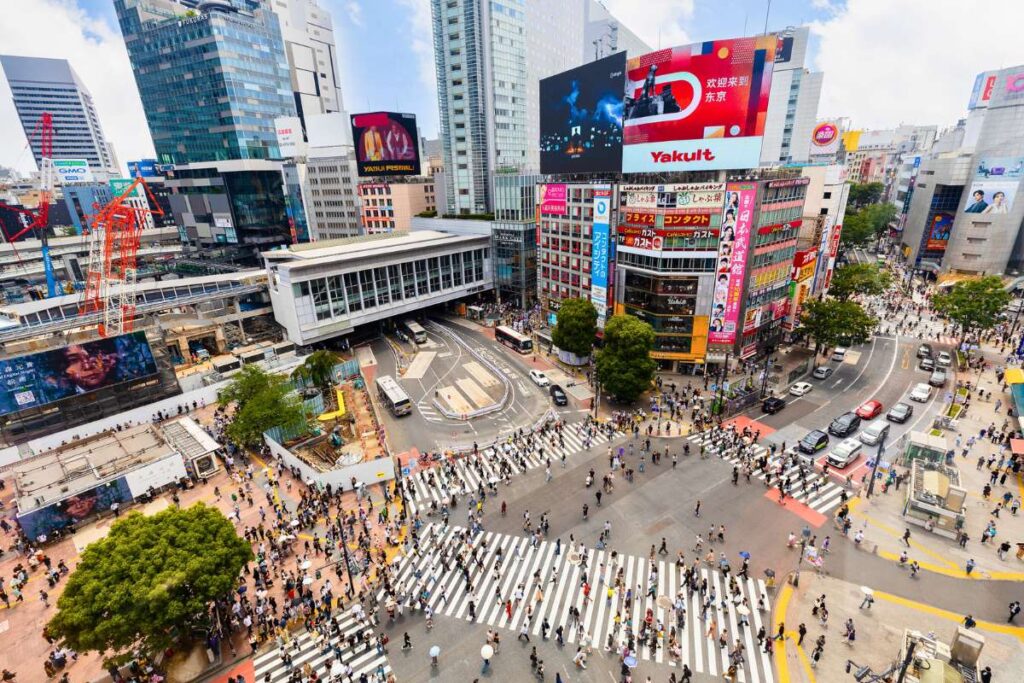
The only real catch is the view of Shibuya Crossing – which is what surprised me the most.
Because you’re so high up, the famous scramble doesn’t quite pack the punch you might be expecting.
Then, of course, there’s the weather.
On my second visit, heavy clouds and low visibility completely transformed the experience – highlighting just how weather-dependent Shibuya Sky is.
Still, I wouldn’t say either of these things are dealbreakers.
Whether it’s worth visiting really comes down to your expectations, the weather, and what you’re hoping to get out of the experience.
To help you navigate all of this, I’m sharing below my firsthand impressions of Shibuya Sky, what I liked and didn’t like, and whether I think it’s worth adding to your Tokyo itinerary.
*Please note: This post contains affiliate links to trusted partners. If you make a purchase using these links, I will earn a commission at no extra cost to you. Thank you for your support!
What is Shibuya Sky?
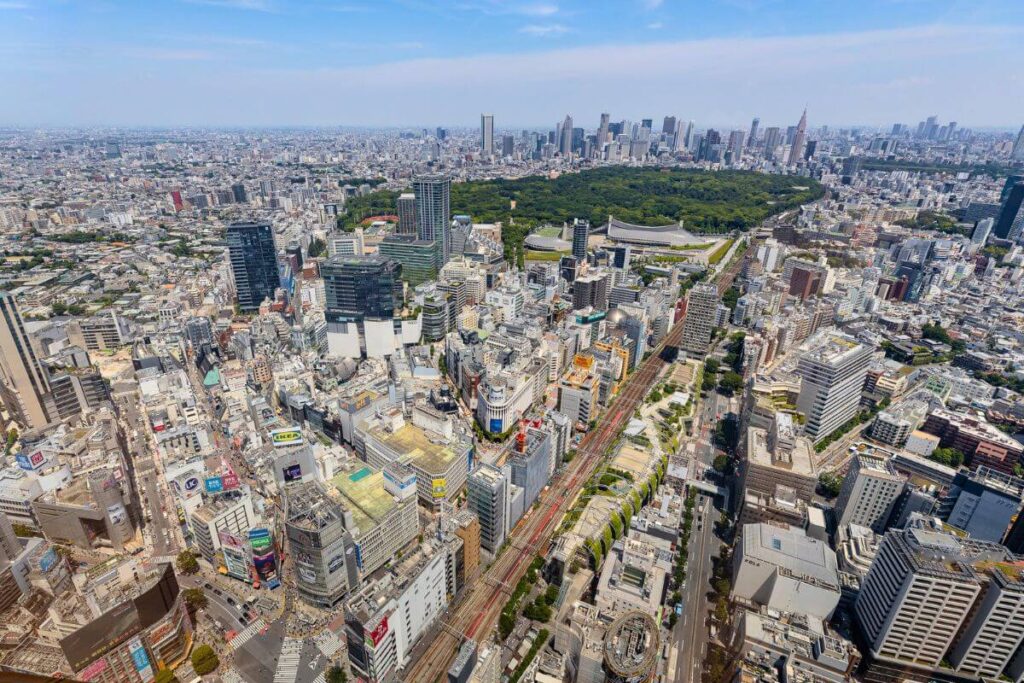
Shibuya Sky is an observatory perched atop Shibuya Scramble Square – a skyscraper situated directly above Shibuya Station in central Tokyo.
Standing approximately 229 meters (752 feet) above ground, it offers sweeping panoramic views of the city and its iconic landmarks.
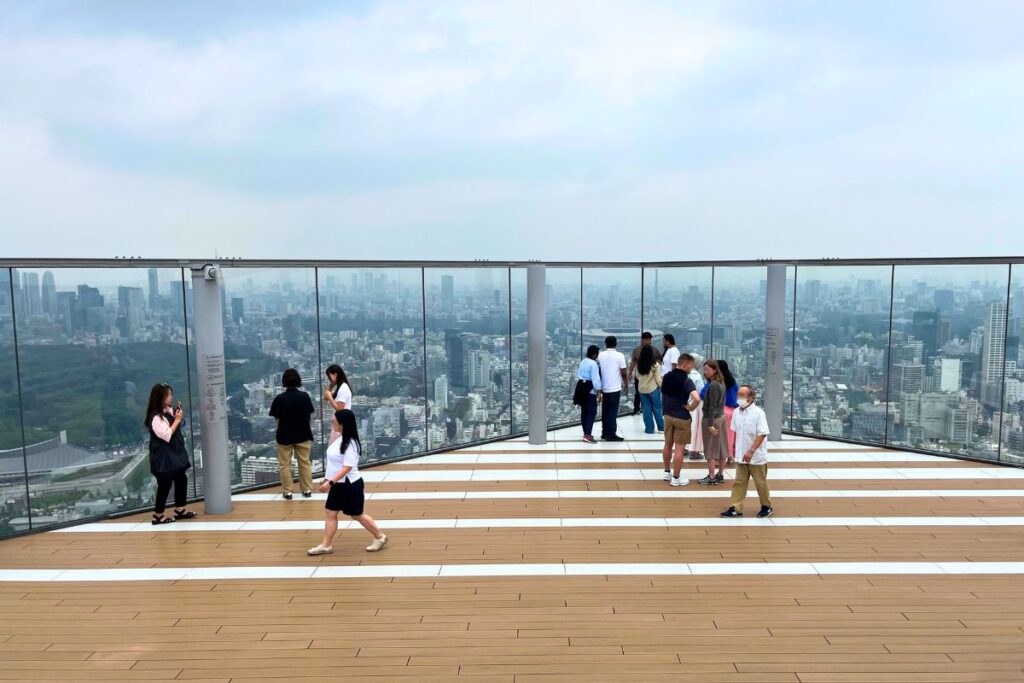
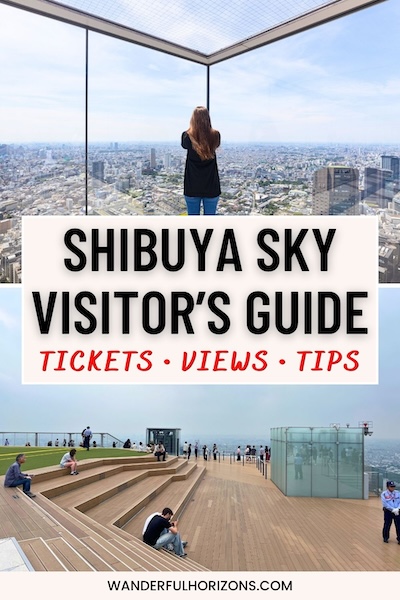
The main attraction here is, undoubtedly, the observatory’s open-air rooftop deck, where you can take in completely unobstructed views of the city’s skyline.
There’s also an indoor observation area on the 46th floor, which offers a sheltered alternative when the weather doesn’t cooperate.
Thanks to its prime location, Shibuya Sky has become one of Tokyo’s most popular attractions, particularly for travelers hoping to experience the city from a different perspective.
Quick Facts: Shibuya Sky
Shibuya Sky Address: 14th Floor, Shibuya Scramble Square, 2-24-12 Shibuya, Shibuya City, Tokyo 150-6145, Japan
Closest Subway Station: Shibuya Station
Operating Hours: The observatory is open daily from 10:00 AM to 10:30 PM, with last entry at 9:20 PM.
Recommended Length of Stay: Plan for about 1.5 hours. However, you may want to stay longer if you visit during sunset. There’s no time limit once you’re inside, so you’re welcome to stay as long as you like!
Please Note: Operating hours and rooftop access are subject to change, and occasional closures may occur. For the most up-to-date schedule, be sure to visit the observatory’s official website or check Klook for ticket availability.
How to Get to Shibuya Sky
The entrance to Shibuya Sky, also known as Sky Gate, is located on the 14th floor of Shibuya Scramble Square.
To get there, make your way to Shibuya Station and follow the signs for the skyscraper.
The observatory’s designated elevators are on the ground floor and will take you up to the entrance.
That said, I do recommend giving yourself a little extra time to get there. The elevators can be a bit hard to find – I actually got lost on my first visit!
💡Pro Tip: Don’t rely solely on Google Maps! It gets very confused once you’re inside Shibuya Station and is no help when it comes to finding the elevators. Instead, follow the overhead signage to Shibuya Square Scramble.
Shibuya Sky Tickets & Admissions
Shibuya Sky tickets can be purchased online up to two weeks in advance or in person at the ticket counter.
That said, I highly recommend booking early, as popular time slots – especially around sunset – can sell out quickly.
When you reserve your slot, you’ll be given a 20-minute window to enter, so definitely keep that in mind.
If you arrive too early (like I did!), the staff will make you wait until your designated entry time.
And if you arrive too late, they will try to accommodate you, but there’s no guarantee that a later time slot will be available.
What to Expect at Shibuya Sky
Now that we’ve covered the basics, let’s take a closer look at what a visit to Shibuya Sky actually entails. From the open-air rooftop to the indoor observation area, here’s what you can expect from the experience.
The Rooftop Observation Deck
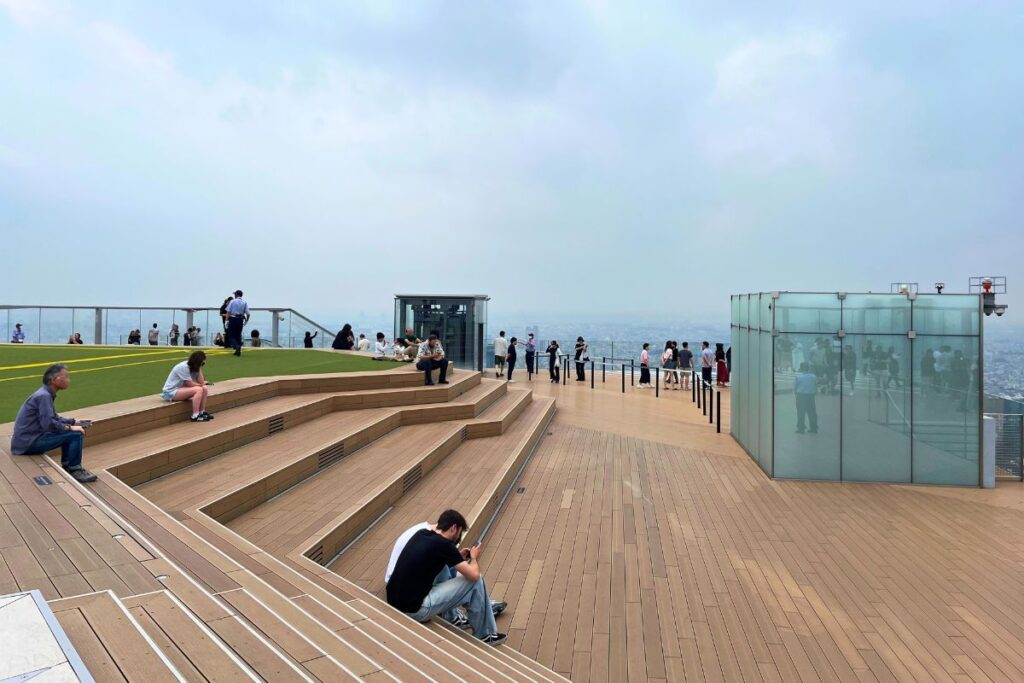
The rooftop observatory, also known as the Sky Stage, is the star of Shibuya Sky – and for good reason!
This expansive open-air space puts you right above the city, with nothing between you and the views.
What’s more, it’s home to several designated photo spots and unique features, including:
- Sky Edge: One of the most popular photo spots, with great views of the skyline. You can actually kind of see Shibuya Crossing from here. Just be aware, it’s usually a very crowded spot.
- Cloud Hammock: A relaxing area with hammocks built into the deck. While you can’t see as much of the city from here, it is a nice spot to sit back, relax, and enjoy views of the sky.
- Crossing Light: Every evening, the observatory puts on a rooftop light show. It begins at 7 PM and runs approximately every 30 minutes, provided the weather cooperates.
Speaking of weather, it can definitely have a big impact on your experience, especially when it comes to the Sky Stage.
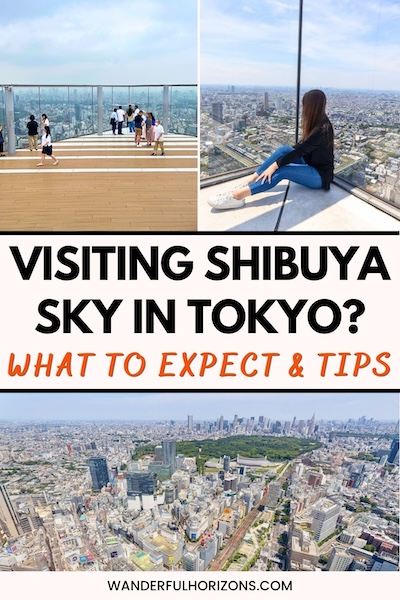
I got lucky on my first visit, with sunny skies and great visibility.
I could see the entire city laid out in front of me, with Tokyo Tower as clear as could be.
It was actually quite fun wandering around, snapping photos, and taking in the sights!
That said, when the weather doesn’t cooperate (as was the case on my second visit), the experience can be a bit disappointing.
With limited visibility, you miss out on much of the scenery that makes the rooftop so special.
And, in more extreme conditions, such as rain or strong winds, the rooftop may even close down altogether.
Unfortunately, it’s hard to predict the weather, especially when you’re booking weeks in advance, so it is a bit of a gamble.
📝 Side Note: Sky Stage is also home to a rooftop bar that typically operates in the evenings from late April through December. You can visit for a drink with standing room only, or reserve a sofa seat in advance. Depending on the package you choose, reservations include admission to Shibuya Sky, guaranteed seating, drinks, and some sort of snack.
The Indoor Observation Deck
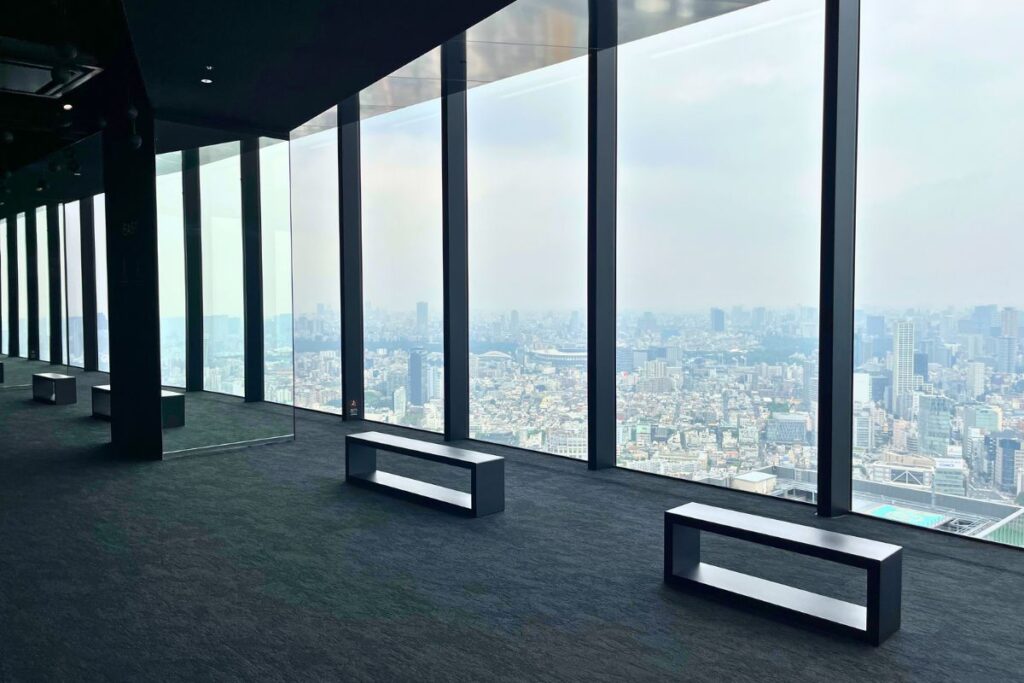
Once you’re done with the rooftop, you can head down to the Sky Gallery, an indoor observation area.
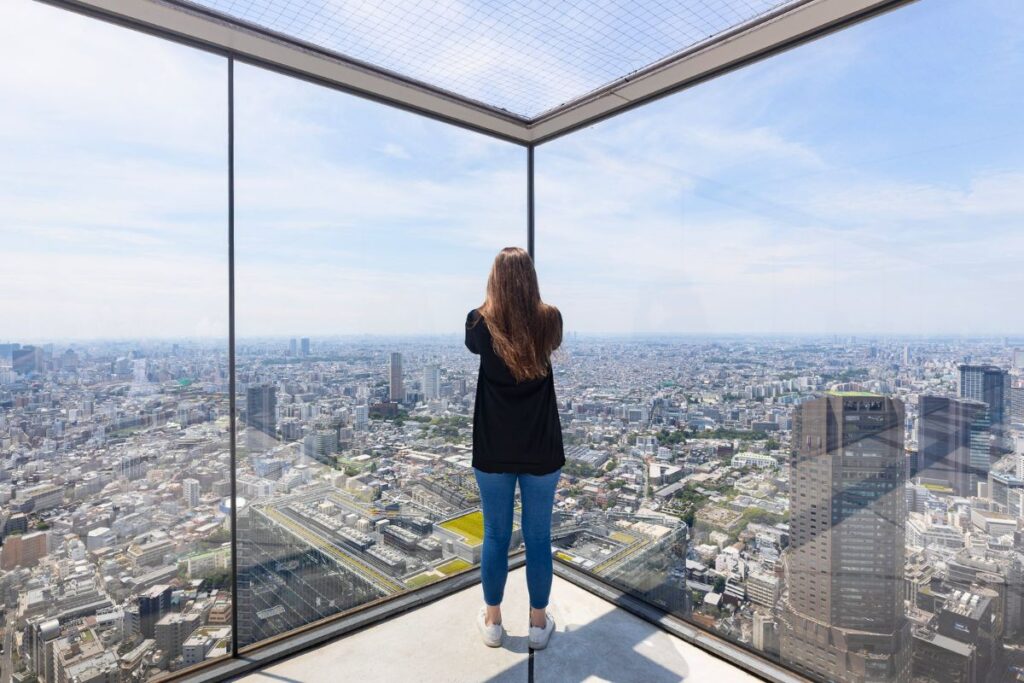
Located on the 46th floor, this space features floor-to-ceiling windows offering panoramic views of Tokyo.
While it doesn’t have quite the same wow factor as the open-air rooftop, it’s a great alternative when the weather isn’t ideal – or if you’re hoping to escape the crowds.
In fact, I found the indoor area to be much calmer and more peaceful compared to the rooftop.
I was able to take in many of the observatory’s most iconic sights without the crowds and long lines.
Beyond the views, the Sky Gallery is also home to several art installations, a gift shop, and a lounge that serves drinks and small bites.
📝 Side Note: The indoor observatory typically remains open even when the rooftop closes due to severe weather. Just keep in mind that poor visibility can still affect the views from inside.
Crowds & Atmosphere
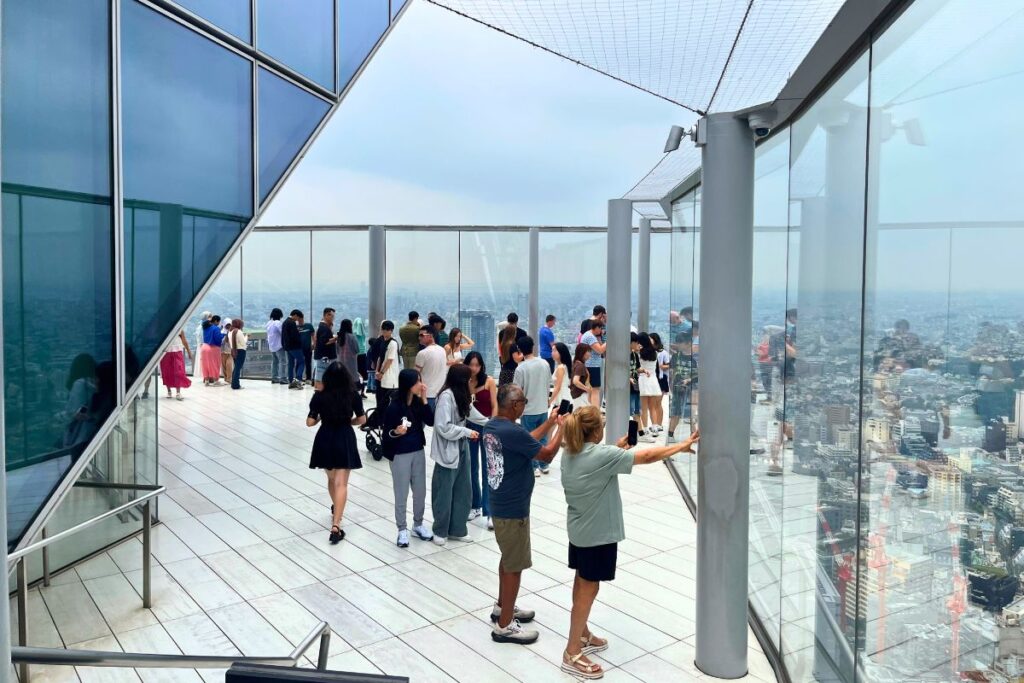
As one of Tokyo’s most popular observation decks, Shibuya Sky gets very busy, particularly around sunset and in the early evenings.
Not only do tickets sell out weeks in advance, but notable photo spots (like every corner of the rooftop) can carry long lines and significant wait times.
If you’d like to avoid this, I recommend visiting earlier in the day, particularly in the morning.
On both of my visits, I booked one of the first time slots (around 10 AM) and the crowds were pretty manageable.
While there were still plenty of other people around, it never felt overwhelming – and I didn’t have to wait too long to snap my photos.
Of course, crowd levels can vary depending on the time of year, so an early visit doesn’t necessarily guarantee a quieter experience, but it can certainly help!
💡 Pro Tip: Peak travel periods for Japan, such as fall and cherry blossom season, can bring larger crowds to popular attractions like Shibuya Sky. So, keep this in mind when planning your visit – especially if you’re hoping to go for sunset!
My Honest Review: Is Shibuya Sky Worth It?
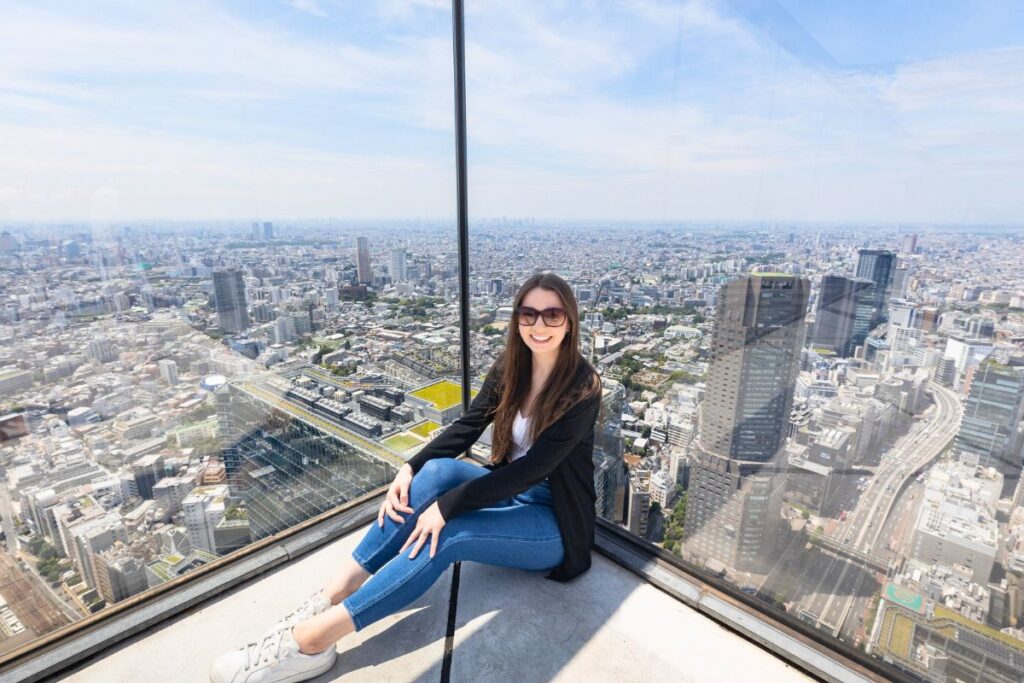
After visiting twice in very different conditions, I can honestly say that Shibuya Sky is a great experience, but I wouldn’t necessarily consider it an absolute must-do for everyone.
On the one hand, the open-air rooftop is really unique (and the only one of its kind in Tokyo), offering incredible panoramic views of the city.
On the other hand, it’s very weather-dependent, and the views don’t always live up to the hype.
It can also be quite crowded and overwhelming, especially at sunset – but then again, that’s the case for most popular attractions in Tokyo.
At the end of the day, I think Shibuya Sky can be worth visiting if you have the time and you genuinely enjoy panoramic city views and rooftop experiences.
However, if your itinerary is already packed, I wouldn’t feel the need to squeeze it in at the expense of something else that you’re more excited about.
It can be a great addition to your trip, but I wouldn’t treat it as a can’t-miss attraction.
Is Shibuya Sky Right For You?
While Shibuya Sky is a popular destination, it isn’t always the right fit for every traveler. To help you decide whether it’s worth adding to your itinerary, here’s who I think would enjoy it most – and who might want to skip it.
I recommend visiting Shibuya Sky if:
- ✓You want to enjoy panoramic views of Tokyo from an open-air observation deck.
- ✓You enjoy rooftop experiences and seeing cities from above.
- ✓You love photography and want to capture unique shots of the Tokyo skyline.
- ✓You’re visiting Shibuya and want to experience one of its most popular attractions.
- ✓You’d like to experience the rooftop at sunset and don’t mind braving the crowds.
You might want to skip Shibuya Sky if:
- ✗You’re worried about poor weather and don’t have flexibility to reschedule, if needed.
- ✗You’ve already visited or plan to visit another observation deck in Tokyo.
- ✗You’re hoping for a great bird’s-eye view of Shibuya Crossing.
- ✗You’re short on time and would rather prioritize other attractions in Tokyo.
➡️ Is Shibuya Sky right for you? Check available dates and time slots here!
Practical Tips for Visiting Shibuya Sky
If you’ve decided to add Shibuya Sky to your itinerary, there are a few things you’ll want to keep in mind. These practical tips will help you make the most of your time there!
- Book Your Tickets in Advance: Shibuya Sky tickets sell out quickly, especially popular time slots around sunset. To make sure you get your preferred date and time, it’s best to purchase tickets as soon as they become available – two weeks in advance.
- Check the Weather Forecast: Clear skies can have a huge impact on your experience, so be sure to keep an eye on the forecast. If the weather looks unfavorable, you can always cancel for free until the day before your visit.
- Confirm the Facility’s Operating Status: Before you head out, be sure to check the observatory’s daily operating status to see whether the rooftop, rooftop bar, and indoor observatory are open. Weather conditions can affect operations, so it’s worth confirming the status before you go.
- Dress for the Weather: The rooftop is completely exposed to the elements, so it can get surprisingly cold in winter and very windy. If you have long hair, I’d recommend bringing along a hair tie. And make sure to wear sunscreen in summer!
- Be Prepared to Store Your Belongings: You’ll be required to leave your belongings in the on-site lockers before going out onto the roof. Phones and cameras with straps are allowed, but if you want to bring additional items, you’ll need to borrow a special bag from the staff.
Alternatives to Shibuya Sky
If Shibuya Sky isn’t quite what you’re looking for, there are several other places where you can enjoy Tokyo from above. Here are a few alternatives worth considering:
- Magnet by Shibuya 109: For the best views of Shibuya Crossing without the crowds, head across the street to Magnet. Admission here also includes a complimentary drink!
- Tokyo Skytree: Standing at 634 meters tall, Tokyo Skytree is not only the tallest observatory in Tokyo, but in all of Japan. Here, you’ll find two observation decks with stunning views of the city skyline.
- Tokyo Tower: One of Tokyo’s most iconic landmarks, Tokyo Tower offers panoramic views of the city. The tower itself is also quite stunning when illuminated at night!
- Tokyo City View in Roppongi Hills: Home to my favorite views of Tokyo Tower, the observation deck in Roppongi Hills offers beautiful panoramic vistas of the Tokyo skyline. The city looks especially stunning here after dark!
- Tokyo Metropolitan Government Building: A budget-friendly alternative, the Tokyo Metropolitan Government Building offers free observation decks with panoramic views of Tokyo. It’s a great way to enjoy the skyline without spending anything on admission.
🌟 Looking for more things to do in Tokyo? Check out my 4-day Tokyo itinerary for inspiration!
Frequently Asked Questions About Visiting Shibuya Sky
Here are my thoughts on some commonly asked questions about Shibuya Sky.
What Is the Best Time to Visit Shibuya Sky?
It really depends on what you’re looking for. I personally loved visiting Shibuya Sky in the morning because it was less crowded and the sun was just right for photos. That said, sunset is a very popular time given how beautiful the skyline looks. Meanwhile, nighttime offers a completely different experience with the city all lit up. If you’d like the best of both worlds, plan to arrive an hour before sunset and stay until Tokyo sparkles after dark – just be prepared for the crowds!
Can You Visit Shibuya Sky in the Rain?
Yes, you can visit Shibuya Sky in the rain – just keep in mind that the rooftop will likely shut down for safety reasons. And while the indoor observatory typically remains open, visibility may be limited. Before your visit, you can check the official website for updates on rooftop access.
Can You Reschedule or Cancel Your Visit to Shibuya Sky?
Yes, Shibuya Sky tickets can be cancelled free of charge up until the day before your visit. If you’d like to visit on a different date, you’ll need to cancel your original booking and purchase a new ticket. And if the rooftop closes due to bad weather, you can also request a refund. However, you must do so before entering the facility.
Can You See Mount Fuji From Shibuya Sky?
Yes, it’s possible to see Mount Fuji from Shibuya Sky on a clear day! However, visibility depends on weather conditions, so it’s never guaranteed. If spotting Fuji-san is high on your list, try to visit on a day with clear skies and good visibility. Or better yet, plan a day trip to Mount Fuji!
Which Is Better: Shibuya Sky, Tokyo Skytree, or Tokyo Tower?
Each offers a different experience, so the best choice depends on what you’re looking for! Shibuya Sky stands out for its open-air rooftop, Tokyo Skytree for its incredible height, and Tokyo Tower for its iconic charm. I’ve enjoyed visiting all three for different reasons, so I’d choose based on which experience appeals to you most!
Final Thoughts: Is Shibuya Sky Worth Visiting?
Tokyo has no shortage of incredible views, and Shibuya Sky is easily one of the most memorable ways to take in the city’s energy from above.
Whether you decide to stand on this open-air deck or choose another lookout that better suits you, what matters most is building an itinerary that truly speaks to you.
After all, the experiences that excite you the most are often the ones you’ll remember long after your trip!
Have you been to Shibuya Sky in Tokyo? Was it worth it for you? Let me know in the comments below!
Enjoy this Shibuya Sky review? Pin it now for later!


KRYSTI ATKINSON
Krysti is a travel writer currently based in Okinawa, Japan. Over the past 3+ years, she has explored Japan extensively while traveling throughout Asia – from iconic cities to quiet, off-the-beaten-path destinations. Through Wanderful Horizons, Krysti shares detailed itineraries, practical travel tips, and firsthand recommendations to help travelers plan unforgettable adventures.