

Last updated on July 23, 2026 by Krysti
Dreaming of white-sand beaches and crystal-clear waters? Ishigaki just might be the tropical island escape you’re looking for!
Before moving to Japan, I had no idea that places like Ishigaki existed.
Like so many other travelers, when I thought of Japan, my mind immediately went to Tokyo, Kyoto, and Mount Fuji – not sun-soaked beaches, lush jungles, and water so blue it looks edited.
But this country is far more diverse than many travelers realize. And Ishigaki, well, it surprised me in the best way possible.
Located among Okinawa’s southernmost islands, Ishigaki feels worlds away from the temples, bustling cities, and mountain landscapes that Japan is known for.
Instead of crowded train stations and neon-lit streets, here you’ll find vibrant coral reefs, secluded sandbars, and some of the most breathtaking coastal scenery in the country.
It’s a side of Japan that feels closer to the tropics than most travelers imagine – and one that is surprisingly easy to experience with a little preparation.
In this guide, I’ll walk you through exactly how I planned my Ishigaki itinerary, so you too can experience the island’s highlights while soaking up its laid-back atmosphere.
*Please note: This post contains affiliate links to trusted partners. If you make a purchase using these links, I will earn a commission at no extra cost to you. Thank you for your support!
Headed to Ishigaki Soon?
Here are a few quick recommendations to help you plan your trip:
🚙 Getting Around:
– Nissan Car Rental (Rentals are the way to go on Ishigaki)
🛏️ Hotels:
– Art Hotel Ishigakijima (Mid-range hotel in the downtown area)
– ANA InterContinental Ishigaki (Luxury resort close to the city center)
👣 Activities & Tours:
– Ishigaki Blue Cave Tour (Snorkeling & sea cave experience)
Best Time to Visit Ishigaki
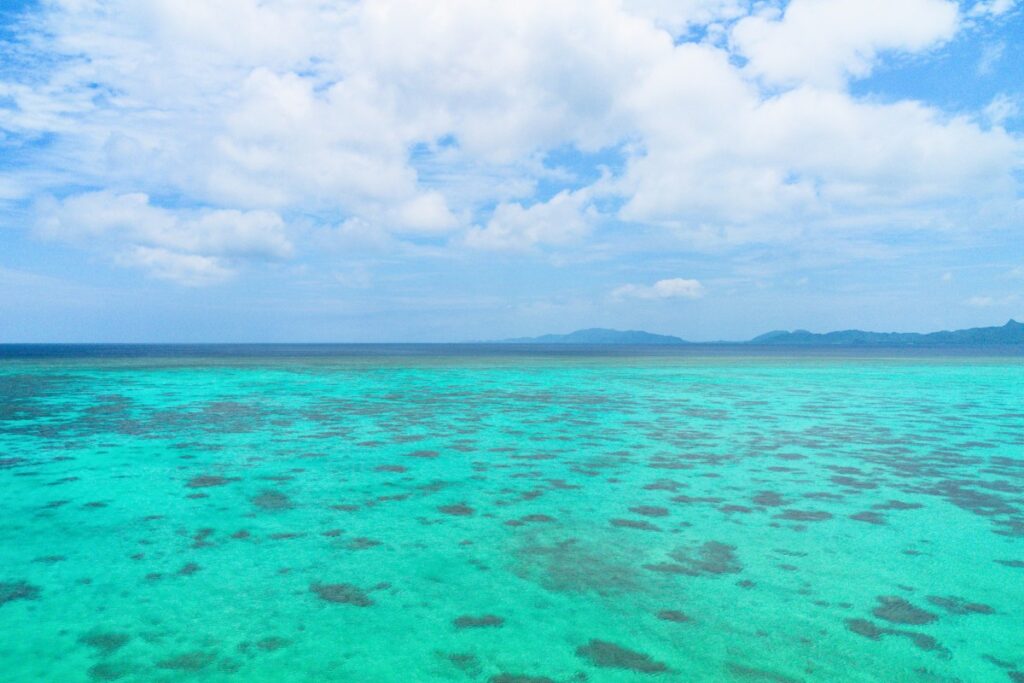
Ishigaki is a great destination year-round! The perfect time to visit really just depends on what type of experience you are looking for.
If you’re dreaming of beach days, snorkeling, and crystal-clear waters, summer is hard to beat.
Just keep in mind – this is also peak travel season, so flights, tours, and hotels tend to book up quickly, and they tend to be more expensive.
Spring and early summer (which encompass the rainy season) can also be a good time to visit.
It’s generally less crowded and more affordable, but the weather isn’t always sunshine-perfect.
That said, we visited Ishigaki at the end of May and mostly had great weather.
There were a few showers and a couple of cloudy mornings, but the sun always seemed to make an appearance, so it didn’t really impact our trip too much.
Fall is another great option to consider if you’re trying to avoid the crowds.
Just be mindful that temperatures (on land and out at sea) start to cool down in late fall, and many beach facilities begin to close by late October.
And finally, we have winter, which offers few crowds and relatively mild weather compared to the rest of Japan.
While the ocean will be a bit cooler and many beaches won’t be staffed for swimming, you can still enjoy guided tours that allow for snorkeling, diving, and island hopping.
Typhoon Season in Ishigaki
It’s important to note that Ishigaki does experience a typhoon season. This technically runs from June to November; however, the most active months for typhoons are August and September. If you’re planning a trip during this time, it’s important to keep an eye on the weather and be flexible with your plans. I also recommend purchasing travel insurance, especially if you intend to visit Ishigaki during peak typhoon season.
Ishigaki 3 Day Itinerary: A Quick Overview
Before we dive into the full itinerary, here’s a quick look at how to spend 3 days in Ishigaki. This itinerary is designed for first-time visitors, offering a mix of top sights, local experiences, and plenty of time to slow down and enjoy the island.
Day 1: Ishigaki Highlights
- 🗿 Visit the Shisa Sculpture Park
- 🌊 Explore Kabira Bay
- 🏖️ Relax at Ishigaki’s best beaches
- 🌅 Catch the sunset along the west coast
Day 2: Day Trip to Taketomi Island
- ⛴️ Take the ferry to Taketomi Island
- 🚲 Cycle through the traditional village
- 🏝️ Relax on Kondoi Beach
- 🌺 Enjoy the island’s slow-paced atmosphere
Day 3: Coral Reefs & Slow Island Vibes
- 🤿 Join a Blue Cave snorkeling tour
- 🐠 Swim with tropical fish & coral reefs
- 🛍️ Explore downtown Ishigaki
- 🥩 Try famous Ishigaki beef for dinner
Map of Ishigaki, Okinawa
To help you plan your trip, I’ve also included a map overview of all the places mentioned in this itinerary.
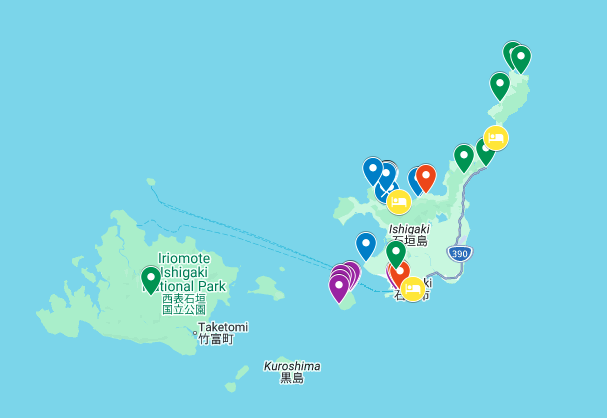
➡️ Click here to view an interactive version of this map!
Ishigaki 3 Day Itinerary: Explained
That said, let’s jump right in and discuss in detail the perfect 3 day itinerary for Ishigaki. I’ve included numerous options for you to consider, as well as some alternative attractions. Feel free to pick and choose and adapt this itinerary as you see fit!
📝 Please Note: This itinerary assumes you have 3 full days in Ishigaki, so I recommend arriving early morning on day 1 (like we did!) or the night before.
Day 1: Ishigaki Highlights
For your first day in Ishigaki, we’ll head to the western coast, where you’ll find some of the island’s most iconic attractions. To make the most of your time here, I do recommend renting a car, if possible – it will give you more flexibility to explore at your own pace.
Mid-Morning: Visit Yoneko Yaki Kobo Shisa Farm
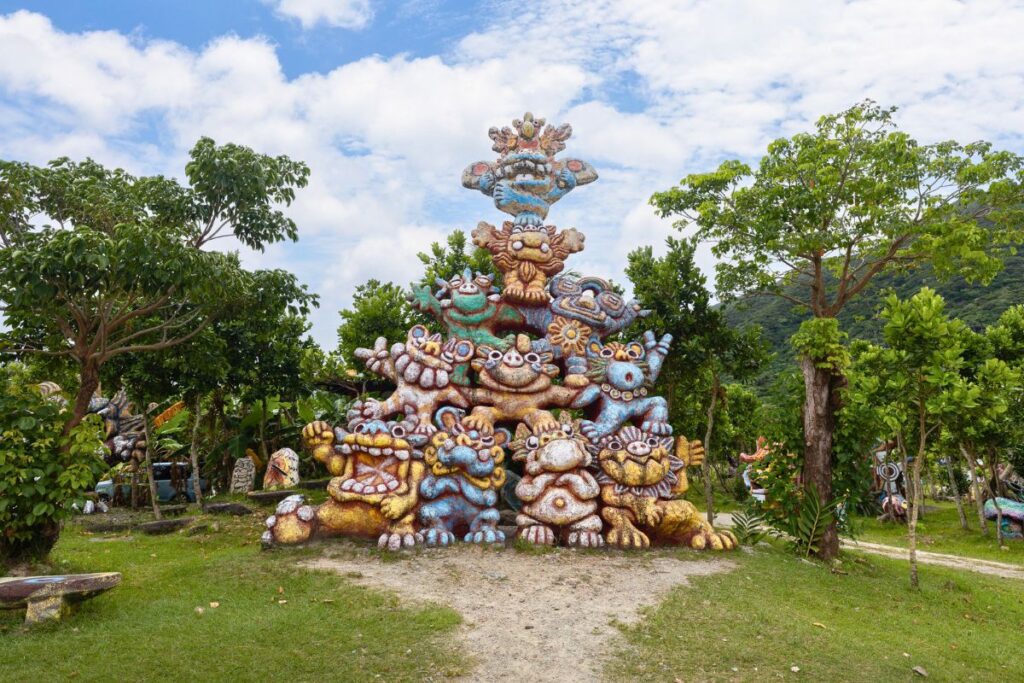
This is, undoubtedly, the quirkiest destination on our itinerary – but also one that I genuinely enjoyed.
Located just down the road from Ishigaki’s most famous attraction (Kabira Bay), Yoneko Yaki Kobo is a free, open-air sculpture garden filled with giant colorful shisa statues.
If you’ve never heard of a shisa before, they are traditional Okinawan guardian figurines that are believed to ward off spirits and bring about good luck.
You can spot smaller versions of them throughout the Okinawan islands. That said, I’ve never seen them displayed on such a large scale before.
As you explore the grounds, you’ll find dozens of shisa sculptures in all shapes, colors, and sizes – some cute, some scary, and some downright bizarre (but in a good way!).
We spent a long time just wandering through the grounds, taking photos, and appreciating the background jungle scenery.
Why It’s Worth It: The sculpture garden is fun, it’s quirky, it’s colorful – and it’s a great way to learn a bit more about traditional Okinawan culture!
💡 Pro Tip: While you’re here, be sure to also check out the on-site workshop, where you can learn more about how the shisa are made and even purchase a few to take home with you. Unfortunately, we somehow overlooked the shop and ended up accidentally skipping it – so just be aware it does exist!
Lunch: Discover Kabira Bay
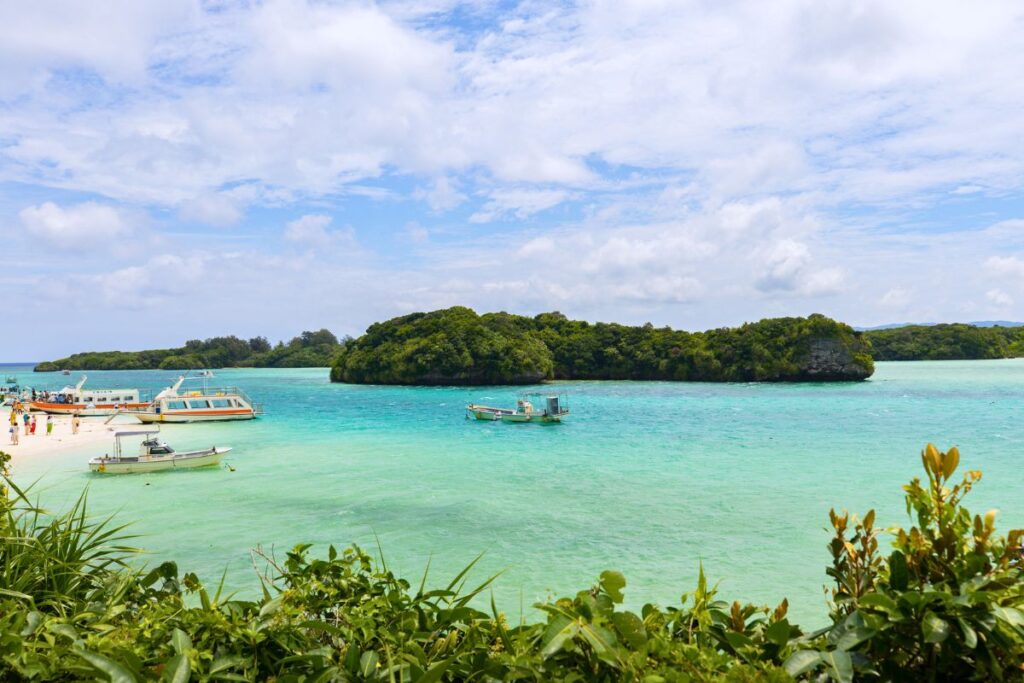
If you’ve seen photos of Ishigaki before, chances are you’ve already seen Kabira Bay.
And yes – it really is as beautiful as it looks.
Unfortunately, swimming isn’t permitted here due to the bay’s active black pearl cultivation. But there are plenty of other activities for you to enjoy.
Glass-bottom boat tours, in particular, are especially popular here, as they allow you to take a peek below the surface.
These tours run frequently throughout the day, so there’s no need to pre-book – simply show up and join one upon arrival.
There are also SUP and kayaking tours available if you’re looking for something a bit more active – although these usually require advance booking.
That said, my personal favorite part about visiting Kabira Bay was simply taking in the scenery.
The main observation deck offers fantastic views overlooking the bay, but I also recommend exploring the nearby pathways along the shoreline.
We found several quieter, yet equally as stunning viewpoints that many visitors overlook.
There are also plenty of lunch options nearby, if you get hungry – so definitely take advantage of that.
We ended up eating at a local soba restaurant called 公園茶屋 (Park Teahouse), and had some excellent yakisoba!
Why It’s Worth It: Kabira Bay is absolutely beautiful – I couldn’t get over how blue the water was. Even if you don’t join a boat tour, the views alone are well worth the visit.
💡 Pro Tip: If you’re interested in pearls, be sure to stop by the Ryukyu Pearl Head Office. Located just down the street from Kabira Bay, this office is home to a pearl shop and museum. Here, you can learn more about the island’s pearl farming history and shop for locally made jewelry.
Afternoon: Go Beach Hopping
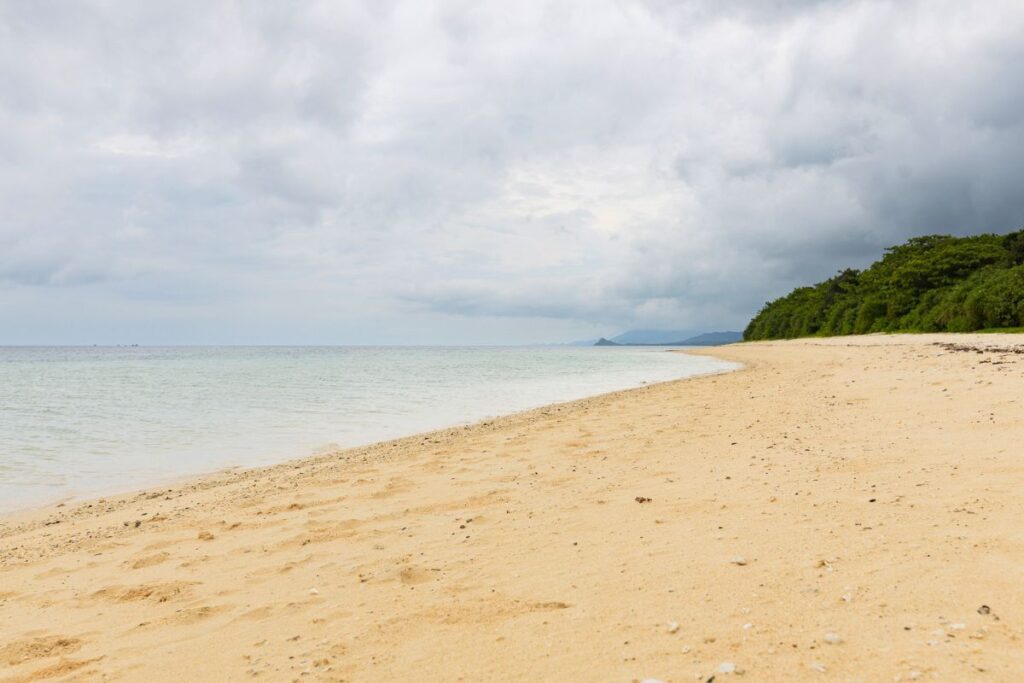
Once you’ve had your fill of sightseeing, it’s time to slow down a bit and take a moment to enjoy Ishigaki’s beautiful beaches.
There are several spread out along the western coast for you to explore. So, no matter what you’re looking for, you’re sure to find it here.
A few of the most popular and notable beaches include:
- Yonehara Beach: Known for its coral reefs, Yonehara Beach is a great spot if you’d like to go snorkeling. Although when we went, there didn’t appear to be any snorkel rentals nearby, so you’ll likely need to bring your own. That said, the beach is nice; it wasn’t crowded at all when we were there, and it offered great views of the ocean. Please note: this is considered to be a natural beach, meaning there are no lifeguards on duty here.
- Sukuji Beach: Although on the smaller side, Sukuji Beach is a popular spot among locals and visitors alike. We actually spent a decent bit of time here, relaxing, swimming, and enjoying the views. It was a really convenient stop for us, as there was free parking and on-site amenities like bathrooms and showers. The beach is netted, and there are lifeguards on duty here.
- Fusaki Beach: Although attached to Fusaki Beach Resort, Fusaki Beach is free and open to the public. Here, you’ll find a netted beach with lifeguards, as well as several amenities including showers, changing rooms, bathrooms, and coin lockers. There’s also rental equipment available if you’d like to go snorkeling or kayaking.
That said, it’s also fun to just drive along the coast, stopping at any beaches you may come across.
That’s what we did as we made our way back to our hotel – we kept to the coastline and made little pit stops at smaller beaches and lookout points that we found along the way.
Why It’s Worth It: It’s nice to just slow down and spend a few hours at the beach. Besides, the views, especially the sunset views, are incredible along the western coast!
📝 Side Note: Many publicly managed beaches in Okinawa have designated swimming areas that are protected by nets. This is done to help limit encounters with marine life, as the waters around Okinawa are home to jellyfish and sea snakes. While you can technically swim outside of the netted area, it is highly discouraged and may even be prohibited on certain beaches.
Day 2: Day Trip to Taketomi Island

Now that you’ve had a chance to familiarize yourself with Ishigaki, it’s time to hop aboard the ferry and explore the nearby island of Taketomi.
Located about 20 minutes away, Taketomi is a small island – one that offers a unique glimpse into Okinawa’s traditional way of life.
Here, you’ll find a preserved Ryukyuan village lined with stone walls, red-tiled rooftops, and sandy streets that feel worlds away from modern-day Japan.
Not to mention, the island is home to some of the most stunning beaches I have ever seen in Okinawa.
In fact, Kondoi Beach just might be one of my top five beaches in Japan.
There’s an incredible sandbar here that appears during low tide – and it’s just breathtaking to see it framed against the surrounding vibrant turquoise waters.
The best part, though, is that Taketomi is small enough to explore by bike.
Cycling around the island allows you to slow down, discover hidden corners at your own pace, and experience a more authentic side of Okinawan island life.
Why It’s Worth It: As much as I enjoyed Ishigaki, the day we spent at Taketomi Island was one of my favorite parts of our entire trip. It just felt so different – quieter, slower, and more traditional – it was almost like stepping back in time.
🌟 Looking for more information on how to get to Taketomi and what to do while you’re there? Check out my full guide to Taketomi Island.
Day 3: Coral Reefs & Slow Island Vibes
For your final day in Ishigaki, you’ll have the option to choose between a few activities. In the morning, I recommend joining a snorkeling tour so you can experience more of the island’s coast. Then, in the afternoon, you can either spend time enjoying your resort or venture out to explore downtown Ishigaki.
Morning: Join a Snorkeling Tour
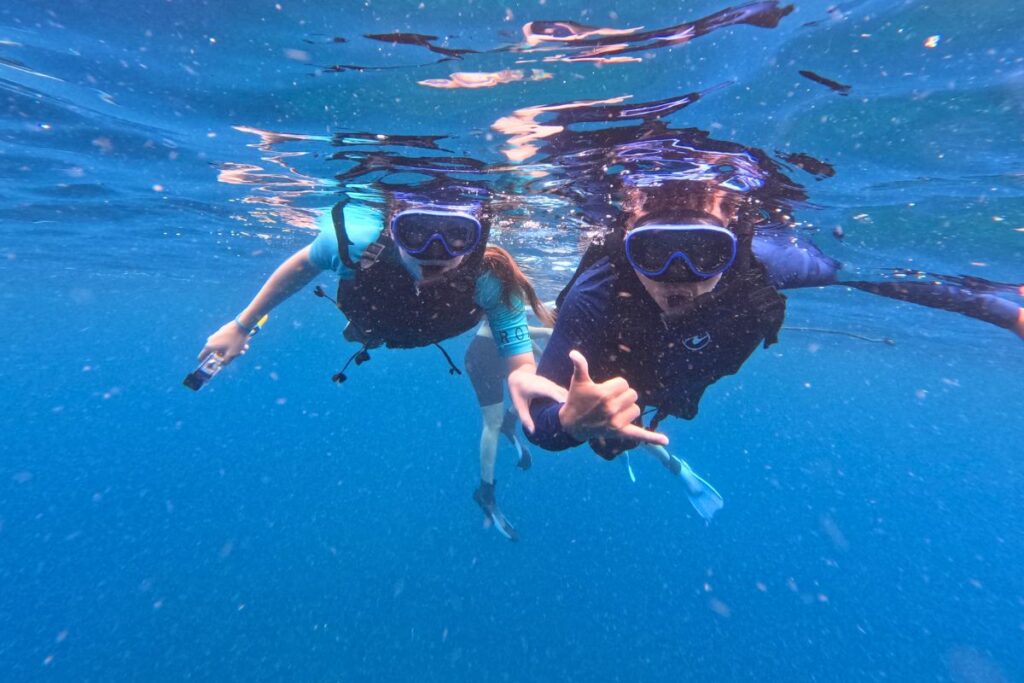
No trip to Ishigaki would be complete without a visit to the island’s incredible coral reefs!
And thankfully, there are plenty of snorkeling tours to choose from, making it easy to find one that suits your skill level and interests.
We personally joined this snorkeling tour to Ishigaki’s Blue Cave, and it ended up being a great experience.
Our guide was fantastic – he was really knowledgeable and helpful, and he pointed out so much marine life that we would have missed on our own.
We saw a ton of fish, as well as a turtle, a sea snake, and even a small shark (which I actually didn’t catch a glimpse of – but honestly, maybe that’s for the best 😅)!
As far as the cave itself, it was interesting to visit, but the highlight for me was definitely the snorkeling.
Why It’s Worth It: The waters off Ishigaki are beautifully clear and teeming with marine life! Snorkeling here is one of the easiest ways to experience just how vibrant Okinawa’s underwater world really is.
📝 Side Note: Japan is very strict when it comes to ocean safety. Life jackets are required on most marine tours, and guides typically keep groups together when snorkeling. Admittedly, this can feel a bit restrictive, especially if you’re an experienced swimmer. That said, it’s a small price to pay for the chance to experience such an incredible underwater world.
Afternoon: Explore Downtown Ishigaki
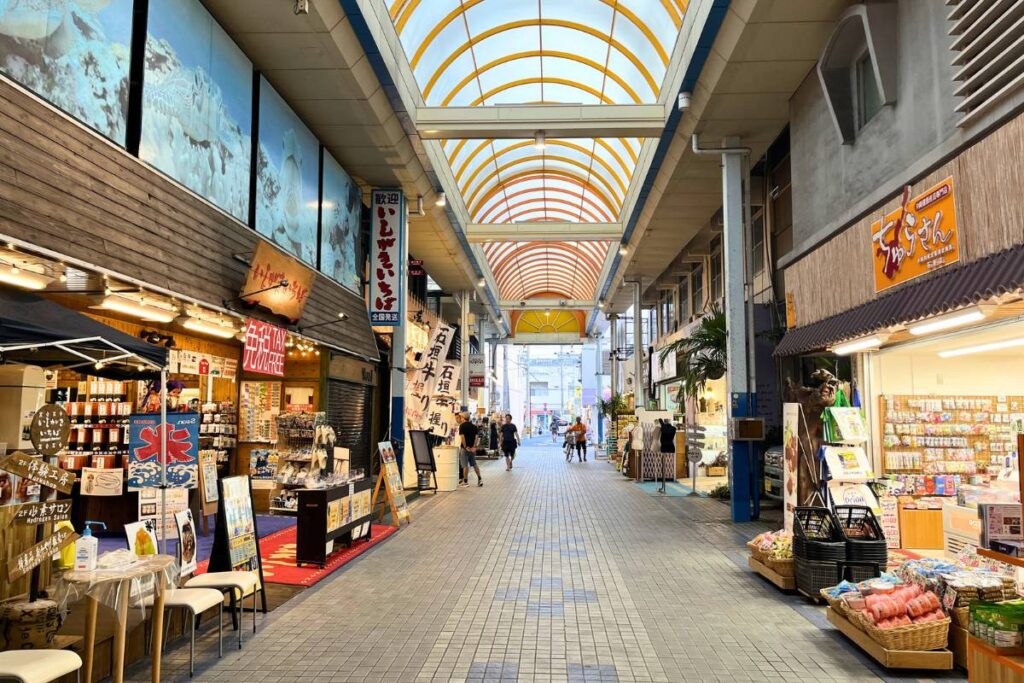
After freshening up from your snorkeling excursion, head on over to downtown Ishigaki for an easy afternoon of shopping and eating.
A great place to start is the Ishigaki Public Market, a covered shopping street filled with local souvenir shops, cafes, and restaurants.
It’s one of the best spots on the island to pick up gifts and browse local products.
While you’re here, be sure to keep an eye out for local Ishigaki sugar, which is one of the most popular souvenirs on the island.
It comes in a variety of flavors and is often packaged as a topping for snacks like chocolate and peanuts.
And for dinner, don’t miss out on the chance to try Ishigaki beef, another local favorite.
We ate at a nearby yakiniku restaurant, Ishigaki Beef MARU, and had a great experience!
They had a wide variety of different cuts to sample, and the staff was so helpful in explaining it all to us.
If you go here, I do recommend making a reservation, as it is a popular spot.
We arrived on a weekday around 5:30 pm and couldn’t get a table until closer to 7:30 pm. We chose to wait, but booking ahead is definitely the better option!
Why It’s Worth It: Downtown Ishigaki is the go-to hub for dinner and souvenir shopping. There are so many delicious little local restaurants to try!
Afternoon Alternative: Rest & Recharge at Your Resort
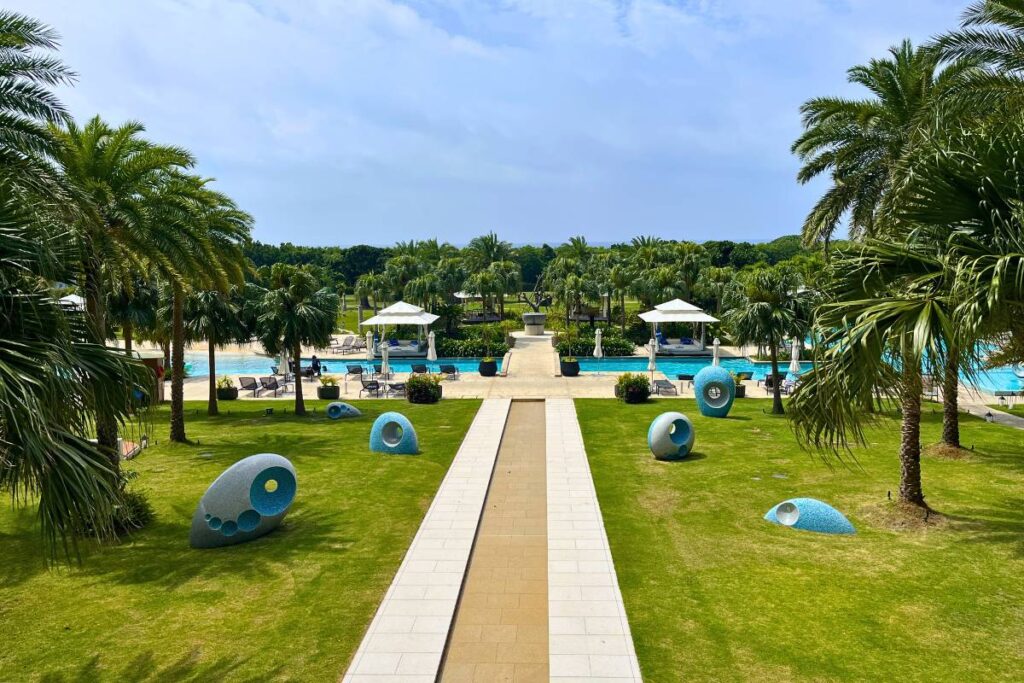
If you’re staying at one of Ishigaki’s nicer resorts, you may want to skip downtown altogether and simply spend the afternoon enjoying your hotel.
We ended up booking our last night at ANA InterContinental Ishigaki Resort and did exactly that!
The property has multiple swimming pools and a private beach, so it was the perfect place to wind down and relax before heading home.
If you’re interested in doing the same, you’ll find there are tons of resort-style properties on the island – many offering on-site restaurants, bars, pools, spas, and direct ocean access.
Why It’s Worth It: You’re on vacation – on a tropical island – in the middle of the ocean! Now is the perfect time to slow down, unwind, and fully embrace those laid-back island vibes.
Other Things to Do in Ishigaki
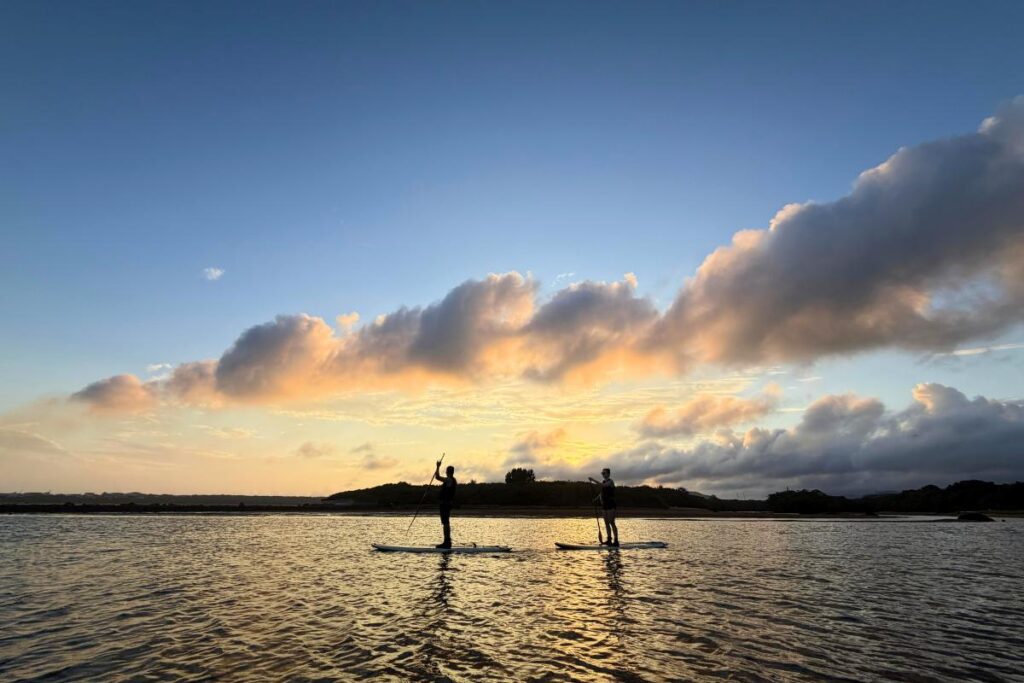
While the itinerary above covers how I would personally spend three days in Ishigaki, there’s no shortage of other things to do on the island. Whether you’re looking for more outdoor adventures, unique viewpoints, or easy day trips, here are a few additional ideas to consider.
- Scuba Diving: Ishigaki is not only a great diving destination, but it also happens to be Japan’s top spot for manta ray dives! These gentle creatures can be spotted in the waters off Ishigaki year-round, but the best time to see them is in the summer and early fall. Please note, diving tours book up months in advance – so it’s best to plan ahead for this one!
- Mangrove Tours: Ishigaki’s coastline isn’t just home to beaches; it’s also lined with lush mangrove forests. You can explore them and their surrounding waterways by joining a kayaking or SUP tour. Just be sure to avoid low tide – speaking from personal experience, this can negatively impact your visit.
- Irimote Island: Situated just 45 minutes from Ishigaki by ferry, Irimote Island is an untouched jungle paradise. Known for its dense mangrove forests, cascading waterfalls, and abundant outdoor adventures, it’s the perfect destination for those looking to explore a bit more off the beaten path. If your schedule allows, I’d recommend spending a night or two here.
- Northern Ishigaki: To experience a different side of Ishigaki, consider heading up north. This area offers a quieter, more rugged experience with scenic coastal drives, pristine beaches, dramatic viewpoints, and far fewer crowds. Notable destinations here include Hirakubozaki Lighthouse, Hirano Beach, and Hirakubo Beach.
- Scenic Observation Decks: Ishigaki is home to a number of scenic observation decks that offer incredible views of Ishigaki’s coastline. While you can find them all throughout the island, two of the most popular include: Tamatorizaki Observation Platform and Nosokodake Observation Deck – both of which are located near the northern end of the island.
- Ishigaki Stalactite Cave: If the weather doesn’t cooperate, Ishigaki Stalactite Cave is a great rain-proof activity to add to your itinerary. Featuring impressive limestone formations and illuminated pathways, it offers a fascinating look at the island’s underground landscape.
Additional Tips for Your Ishigaki Trip
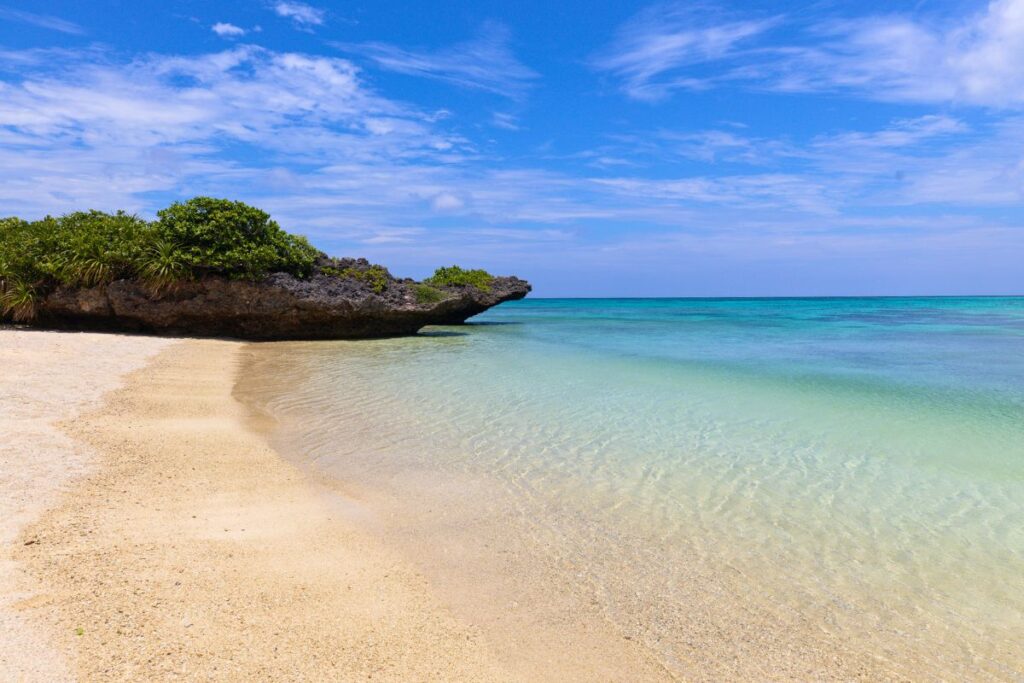
Before you finalize your travel plans, here are a few additional tips to keep in mind. While Ishigaki is relatively easy to visit, it is a remote destination, meaning a bit of planning and preparation can go a long way.
- Cash vs Cards: While credit cards are accepted at most major hotels and attractions, it’s still a good idea to carry some cash with you. Generally speaking, smaller shops, local restaurants, and street vendors tend to be cash-only. If you do need cash, ATMs are readily available at convenience stores like FamilyMart in the downtown area.
- Tour Reservations: Popular activities like snorkeling, diving, and manta ray tours tend to fill up quickly, especially during peak travel periods. If there’s a specific experience you don’t want to miss, it’s best to reserve your spot in advance.
- Sun Protection: The sun in Okinawa is strong, even in the middle of winter, so be sure to bring along plenty of sun protection. If you can, I recommend using reef-safe sunscreen to help protect the island’s delicate coral reefs.
- Ocean Safety: If you’re planning to swim or snorkel, be mindful of tides and currents. And always pay attention to posted warnings and local guidance. Japan takes ocean safety very seriously, so beaches and marine activities may be restricted when conditions are deemed unsafe.
- Weather Flexibility: The weather in Ishigaki can be unpredictable, especially during the rainy season. So, don’t put too much faith in your weather app (trust me, it’s often wrong). Instead, try to keep your plans flexible and have a few backup activities in mind just in case the weather doesn’t cooperate.
How to Get to Ishigaki Island
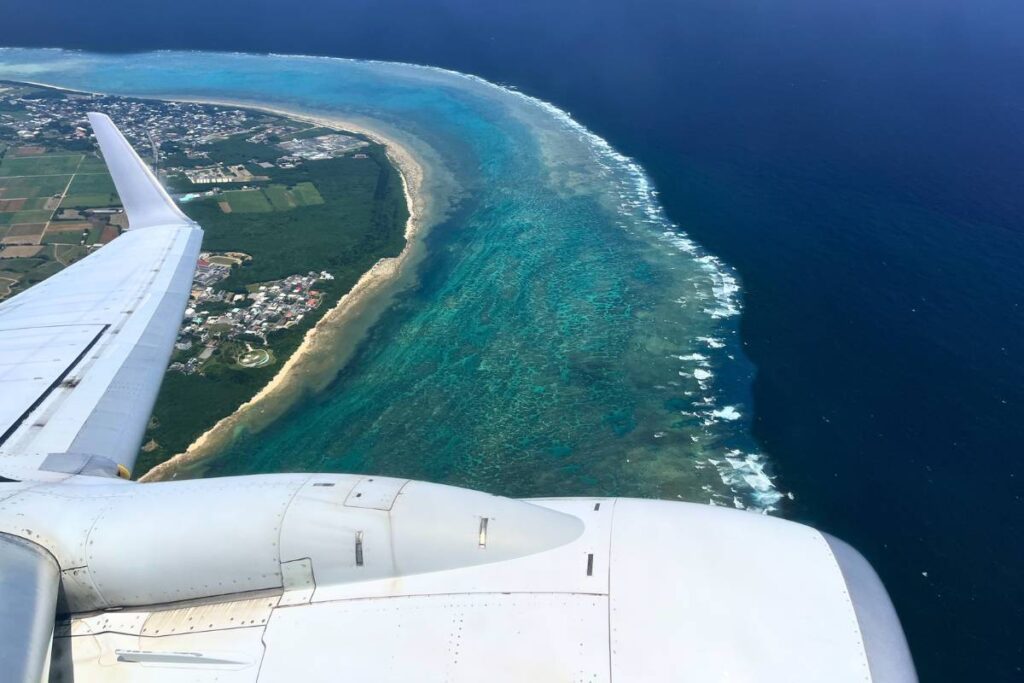
Despite being quite remote, Ishigaki is still very accessible thanks to its well-connected airport, Painushima Ishigaki Airport (ISG).
This airport serves as the main gateway for the surrounding Yaeyama archipelago, connecting you directly to major Japanese cities like Tokyo, Osaka, Fukuoka, and Naha.
There are even a limited number of international flights for those traveling from Hong Kong and Taipei.
As of writing, there are currently no passenger ferry services connecting Ishigaki to mainland Japan or Okinawa. Meaning, air travel is the primary way to reach the island.
That said, Ishigaki is a popular port of call for cruise ships, particularly those operating out of Taiwan and other parts of Japan.
How to Get Around Ishigaki
Although Ishigaki does offer public transportation, I highly recommend renting a car if you can.
The island is quite large, taxis are limited, and public transit is pretty much concentrated within the downtown area.
If you plan to explore at all beyond this, you’re going to want a rental car.
We personally rented from Nissan and found it very easy to navigate.
We were able to book our car online, and they had English-speaking staff available to help with both the pick-up and drop-off process.
As far as navigating around the island, Google Maps is my go-to app for Japan. It makes getting around Ishigaki – and Japan more widely – super easy.
💡 Pro Tip: Car rentals in Ishigaki are known to book up quickly, especially during peak travel seasons. If you know your travel dates, it’s best to reserve your car as early as possible!
Driving in Japan
Before you rent a car in Japan, you’ll want to look into the Japanese license requirements specific to your home country. Depending on where you reside, you might need to obtain an International Driver’s Permit or a translated copy of your home country’s driver’s license. In some specific cases, you may even be required to obtain a Japanese driver’s license.
For those traveling from the United States, Canada, Australia, Singapore, and most European countries, an International Driver’s Permit is required. You can obtain this from an authorized automobile association in your home country.
Where to Stay in Ishigaki
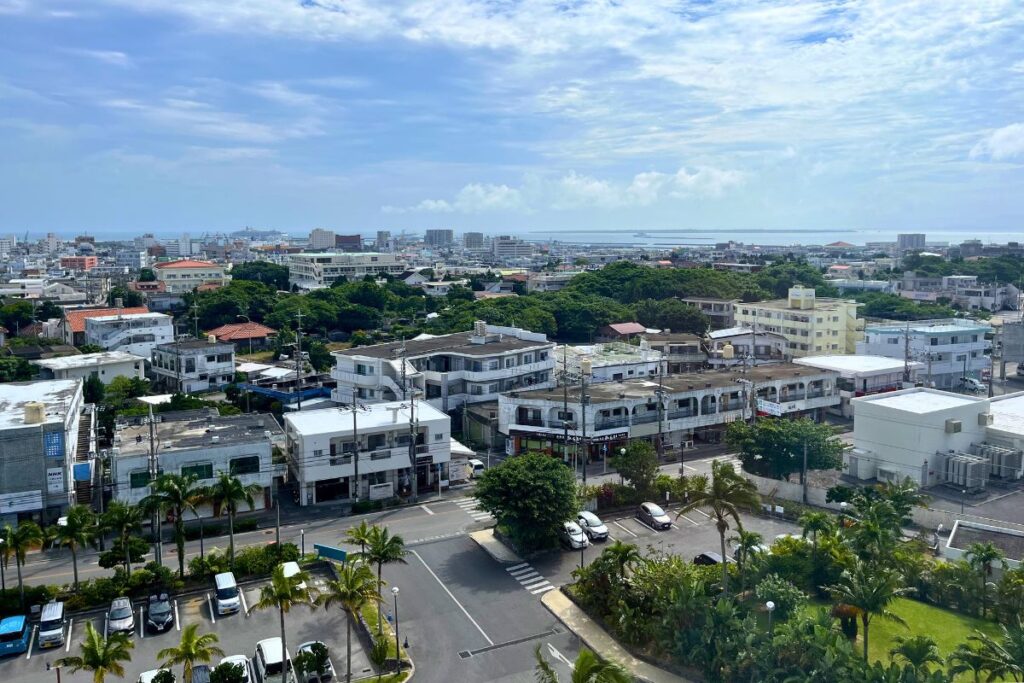
The island of Ishigaki offers a range of accommodation options, from convenient city stays to beachfront resorts and more remote escapes. Where you choose to stay will largely depend on your travel style and whether or not you plan to rent a car. That said, here are some of the most popular areas to stay in Ishigaki.
- Ishigaki City: The most convenient place to stay on the island, Ishigaki City is ideal for first-time visitors and those who plan to rely on public transportation. This is where you’ll find a large majority of the island’s local restaurants, shops, and cafes – as well as the main port with ferry connections to nearby islands. It’s the most practical base if you want everything within easy reach.
- Western Coast & Kabira Bay: Known for its crystal-clear waters and scenic beaches, the western coast is home to some of Ishigaki’s most popular attractions – and quite a few nice hotels. The area is perfect if you’re looking for a more relaxed stay with easy access to the ocean. However, a rental car is highly recommended as public transport is limited.
- Northern Ishigaki: Much quieter and more remote, northern Ishigaki offers an experience that is more rugged and untouched. Expect dramatic coastlines, scenic viewpoints, and very few crowds. This area is best suited for travelers who are comfortable driving and prefer a more off-the-beaten-path experience.
🧳 My Experience: We tried out two hotels while we were in Ishigaki: Art Hotel Ishigaki and ANA InterContinental Ishigaki Resort. While we loved Art Hotel for its convenient location in downtown Ishigaki, ANA InterContinental offered a more upscale tropical escape, with multiple pools and beachfront access.
What to Eat in Ishigaki
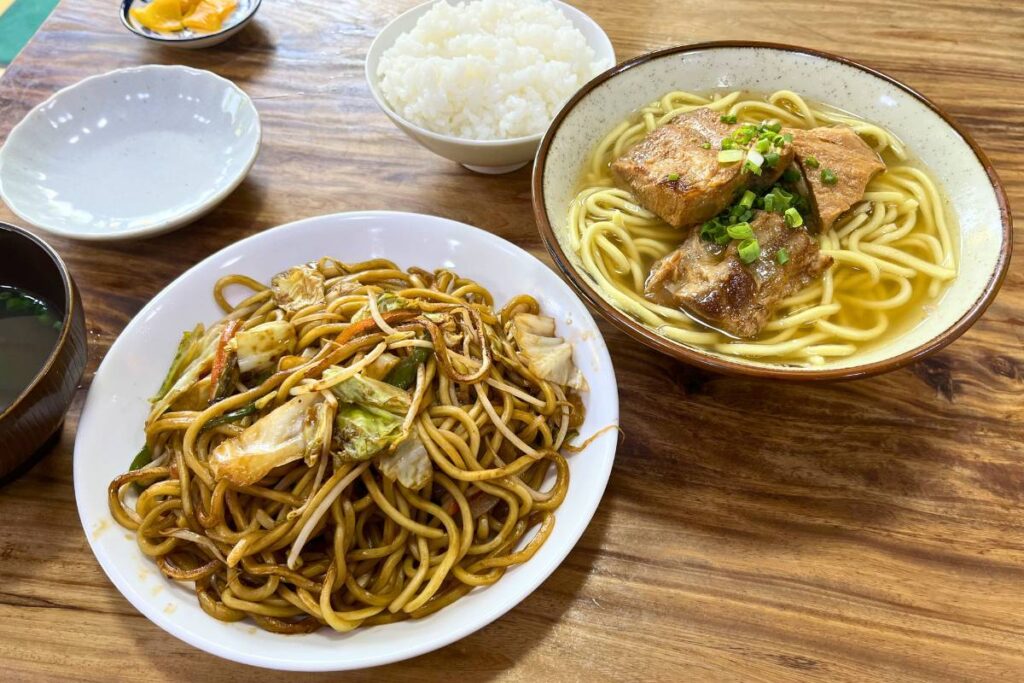
Beyond its beaches and laid-back atmosphere, Ishigaki is also a fantastic foodie destination! From melt-in-your-mouth Wagyu to unique local specialties, here are some dishes you won’t want to miss!
- Ishigaki Beef: One of the island’s most famous specialties, Ishigaki beef is known for its rich marbling and incredibly tender texture. It’s typically served as yakiniku, steak, or even in burgers and is widely considered to be one of the best Wagyu varieties in Okinawa.
- Yaeyama Soba: A local staple of the Yaeyama Islands, Yaeyama soba features thick wheat noodles served in a light, savory broth with toppings like pork, fish cake, and green onions. It’s a simple comfort food that can be found in many local restaurants across Ishigaki.
- Ishigaki Sugar: Made from locally grown sugarcane, Ishigaki sugar is known for its deep and intense flavor. You’ll find it used in a variety of local sweets and snacks, often paired with peanuts, almonds, or chocolate.
- Ishigaki Pineapple: Thanks to the island’s subtropical climate, Ishigaki produces delicious pineapple that comes in a variety of flavors. Popular types include peach pineapple, island pineapple, and sandolce pineapple (an especially sweet variation).
- Umibudo Sea Grapes: A unique Okinawan speciality, umibudo – also known as “sea grapes” – are tiny seaweed pearls that pop in your mouth. They’re usually served fresh with soy sauce or vinegar and are a fun, slightly salty snack to try while visiting.
Frequently Asked Questions About Visiting Ishigaki
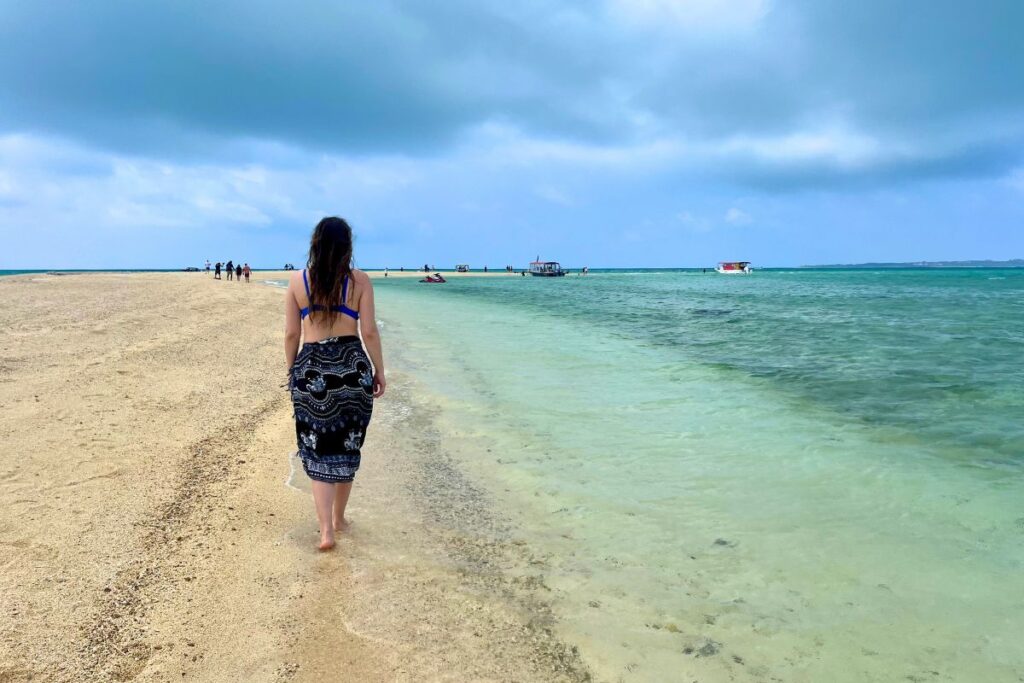
Here are my thoughts on some commonly asked questions about visiting Ishigaki Island.
Is Ishigaki Worth Visiting?
Yes, Ishigaki is absolutely worth visiting! It’s one of Japan’s most beautiful island destinations, with vibrant coral reefs, breathtaking turquoise waters, and some of the most stunning sandbars I’ve ever seen. If you’re looking for a tropical escape, one filled with pristine beaches, island-hopping excursions, and a slower pace of life, Ishigaki is hard to beat!
Is 3 Days Enough for Ishigaki?
I would say 3 days is a decent amount of time to get a feel for the island. While you won’t be able to see everything, you will be able to visit the island’s main highlights, enjoy the beaches, and venture out to a nearby island. That said, if you’re hoping to explore beyond the main attractions, I’d recommend spending 4-5 days – this should give you ample time to venture up north or add on an overnight trip to Irimote.
Can You Get By Without a Car on Ishigaki?
It is possible to get around Ishigaki without a car, but I wouldn’t recommend it. Public transportation is limited and mostly centered around Ishigaki City, so getting to beaches, viewpoints, and more remote areas would be difficult. If you don’t rent a car, you’ll likely need to rely on taxis or join guided tours to explore beyond the city – but even then, options are still quite limited.
Can You Swim Year-Round on Ishigaki Island?
Technically speaking, yes, it is possible to swim year-round on Ishigaki Island. However, the water does get cooler in the winter months, and many beach facilities close down. In general, publicly managed beaches operate from mid-March through October with lifeguards, jellyfish nets, and rental services available. Outside of this official beach season, many facilities close and designated swimming areas may cease operation. That said, it is still possible to visit the beach and join guided marine tours. Just be prepared for colder conditions – you may even want to pack (or rent) a wetsuit.
Is Ishigaki Expensive to Visit?
Ishigaki can be expensive, but it can also be quite affordable. It really just depends on your personal preferences and travel style. If you’re looking for a more upscale experience, there are plenty of high-end resorts and fine dining establishments to take advantage of. On the flip side, there are also tons of low-cost hotels and affordable local eateries for those traveling on a tighter budget. Regardless of your circumstances, there are options here for everyone!
Should I Visit Ishigaki or Okinawa’s Main Island?
The answer to this question really depends on the type of trip you’re looking for. Personally, I think both are great – and both deserve a spot on your itinerary! But if that isn’t possible, I’d say choose the one that interests you the most. If you’re looking for a classic laid-back island escape with ocean adventures and island hopping, go with Ishigaki. But if you’d prefer a mix of history, culture, shopping, beaches, and a broader range of activities, go with Okinawa’s main island. Either way, you really can’t go wrong!
Final Thoughts: Ishigaki Itinerary
Ishigaki is hands-down one of my favorite places in Japan. It’s just so different from the mainland, but in a good way!
It has this unique blend of Japanese culture mixed with that classic laid-back island lifestyle.
Not to mention the incredible natural scenery – the waters here are so clear and so blue; it’s truly stunning.
For me, it really felt like the perfect mix of relaxation and adventure – slow island mornings, beautiful beaches, and just enough to explore without feeling rushed.
If you’re planning your own visit to Ishigaki, I hope this itinerary helps you make the most of your time on the island!
What part of Ishigaki are you most excited to experience? Let me know in the comments below!
Enjoy this Ishigaki travel guide? Pin it now for later!


KRYSTI ATKINSON
Krysti is a travel writer currently based in Okinawa, Japan. Over the past 3+ years, she has explored Japan extensively while traveling throughout Asia – from iconic cities to quiet, off-the-beaten-path destinations. Through Wanderful Horizons, Krysti shares detailed itineraries, practical travel tips, and firsthand recommendations to help travelers plan unforgettable adventures.
