Last updated on November 18, 2026 by Krysti
Snow-capped mountain views, crisp winter mornings, and some of the clearest skies of the year – winter can be a beautiful time to visit Mt. Fuji, but is it the right season for you?
I’ll be honest, I’m not a winter person. Not even a little bit!
I moved away from Vermont mainly to escape its frigid winters – so planning a trip somewhere specifically for its snowy landscapes isn’t usually my idea of a good time.
However, I’ve visited the Mt. Fuji area twice now during winter, once in January and again in February, and it’s become one of the few places I’ll happily brave the cold for!
There’s just something so special about seeing Japan’s most iconic mountain covered in snow – it’s, truthfully, a view I’ll never grow tired of.
And honestly, “braving the cold” might even be a slight exaggeration.
While you definitely still need to bundle up, the weather here isn’t quite as harsh – or snowy – as you might expect.
In the guide below, I’ll be sharing my experience visiting Mt. Fuji in winter, along with a realistic look at what the weather, crowds, and scenery are actually like – so you can decide if it’s the right fit for you!
Please note: This post contains affiliate links to trusted partners. If you make a purchase using these links, I will earn a commission at no extra cost to you. Thank you for your support!
Is Winter a Good Time to Visit Mount Fuji?
Absolutely! In fact, winter is one of my favorite times to visit the Mt. Fuji area.
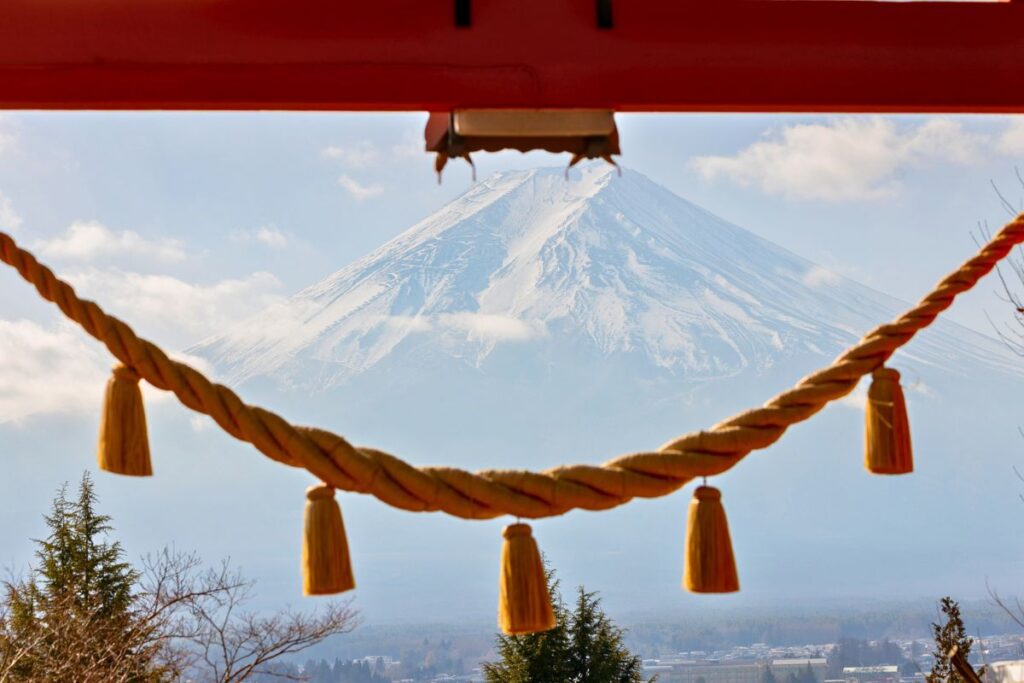
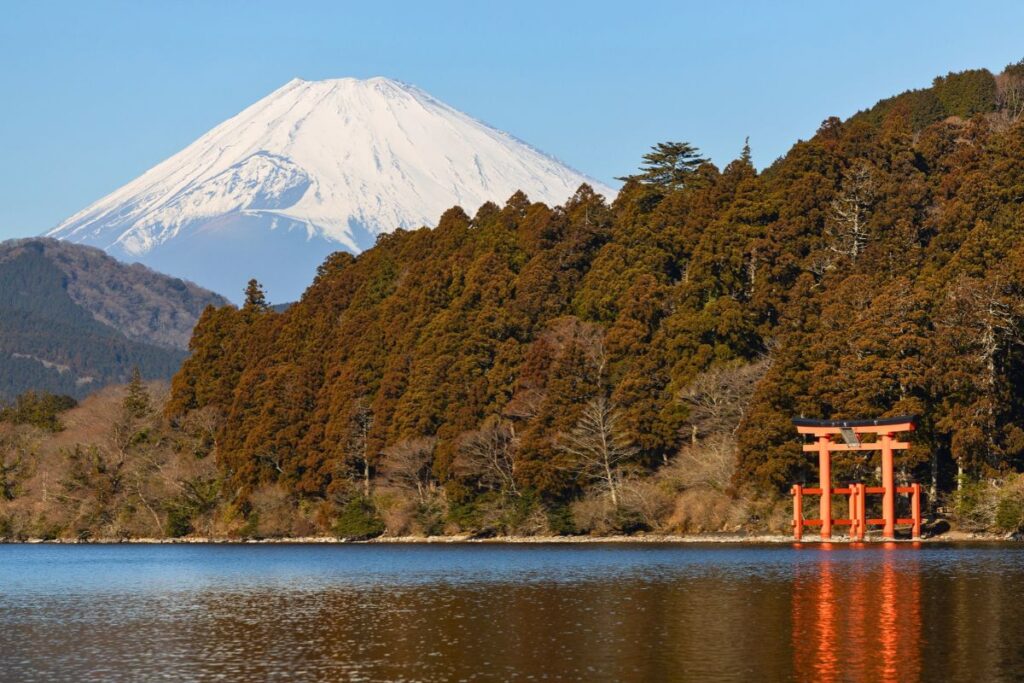
The mountain looks incredible with its snow-covered summit, and the clearer winter skies can make for some truly spectacular views.
Beyond that, sightseeing is still very much possible during the colder months.
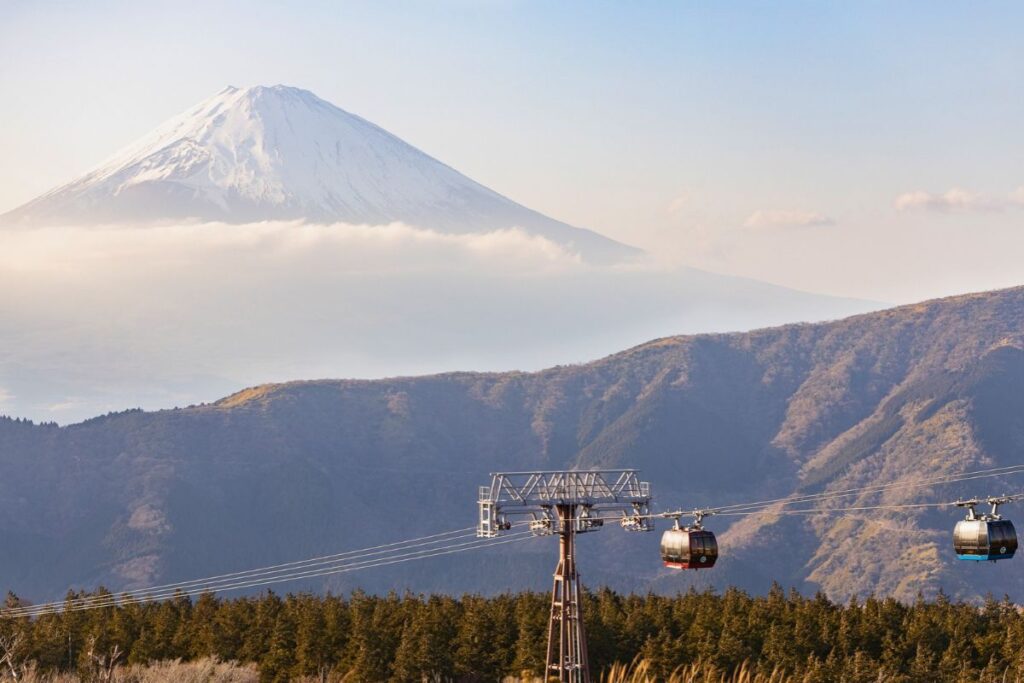
During my visits, I was able to explore the Fuji Five Lakes and its surrounding towns, check out popular attractions (like the Hakone Loop), and enjoy plenty of the experiences the region is known for.
And while, yes, you will need to dress a bit warmer, winter around Mt. Fuji can be surprisingly pleasant for sightseeing, with little snow and ice around the lower-lying lakes.
Of course, there are a few trade-offs. Shorter daylight hours and some seasonal closures can affect your plans, so you’ll want to be mindful of that.
But overall, I’d absolutely recommend visiting in winter if seeing Mt. Fuji is high on your list of priorities.
Just come prepared for the colder weather, allow yourself enough daylight for sightseeing, and you’ll have a wonderful time.
What to Expect When Visiting Mt. Fuji in Winter
So, what is it actually like to visit Mt. Fuji during winter? While the season has plenty to offer, there are a few things you’ll want to keep in mind. From the scenery and weather to crowds and seasonal closures, here’s what you can expect from a winter trip.
Snow-Capped Views & Clearer Skies
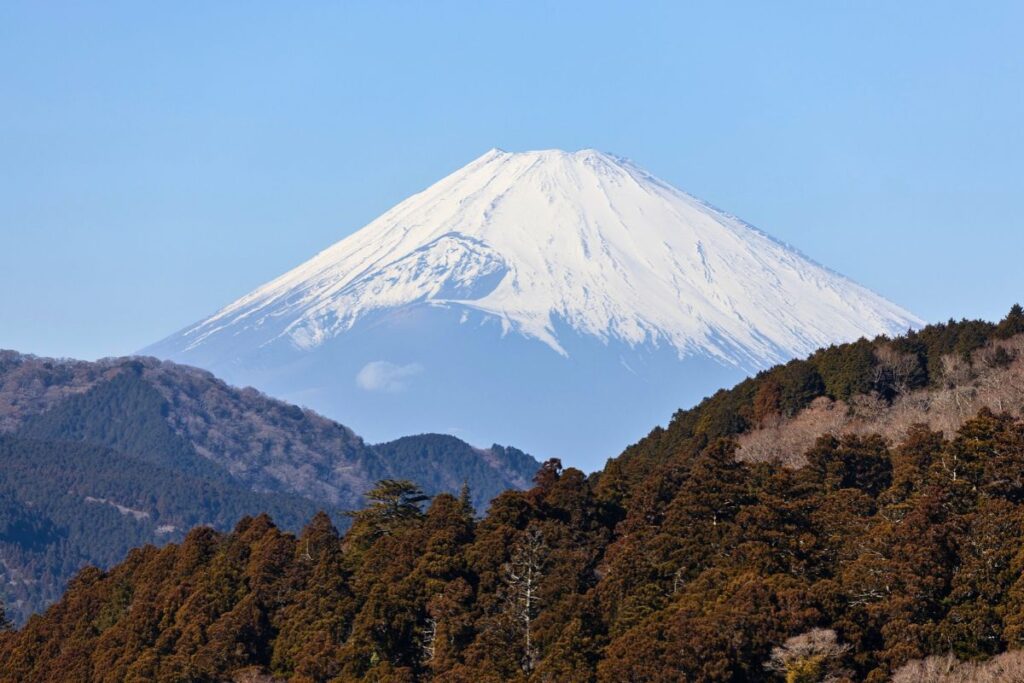
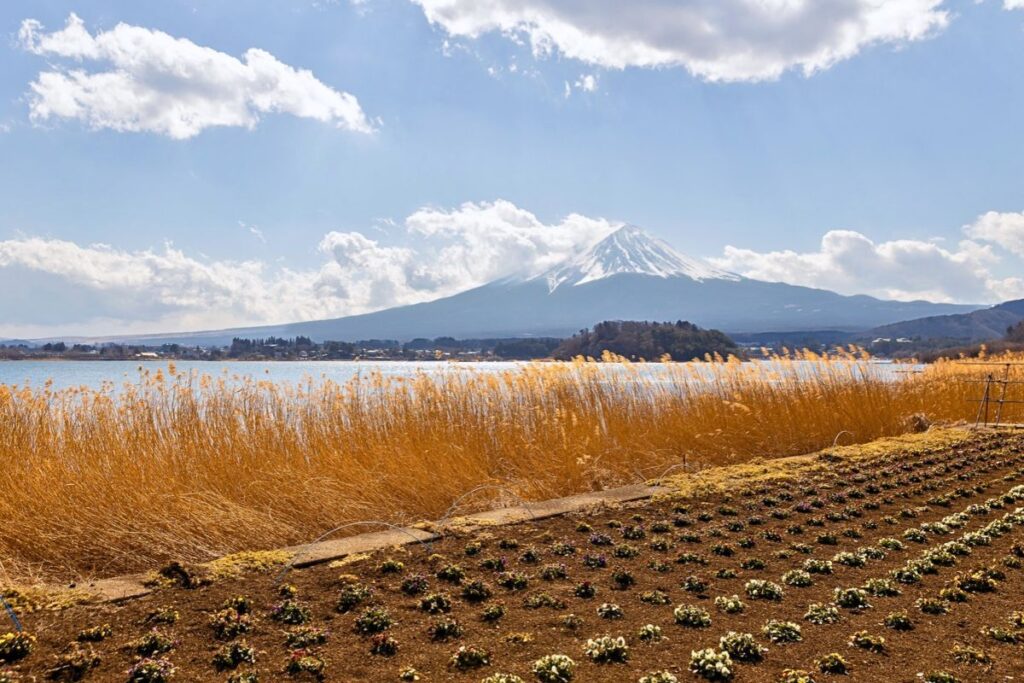
Statistically speaking, winter is one of the best times for clear, unobstructed views of Mt. Fuji.
This is because the colder, drier air tends to bring with it clearer skies and better visibility, making it easier to catch those picture-perfect views of the mountain.
In fact, based on historical data recorded by Fuji City, the months of November, December, January, and February offer the highest chances of seeing Mt. Fuji!
Of course, that doesn’t mean you’ll be guaranteed a clear view. Fuji-san is notoriously shy after all, and clouds can roll in at any time of year!
But on both of my winter trips to Fuji, I had great weather, minimal cloud cover, and was able to see the snow-covered mountain in all its glory.
And I must say, Mt. Fuji in winter (with its snowy summit) is much more striking than Mt. Fuji in summer!
Cooler Temperatures & Mild Conditions
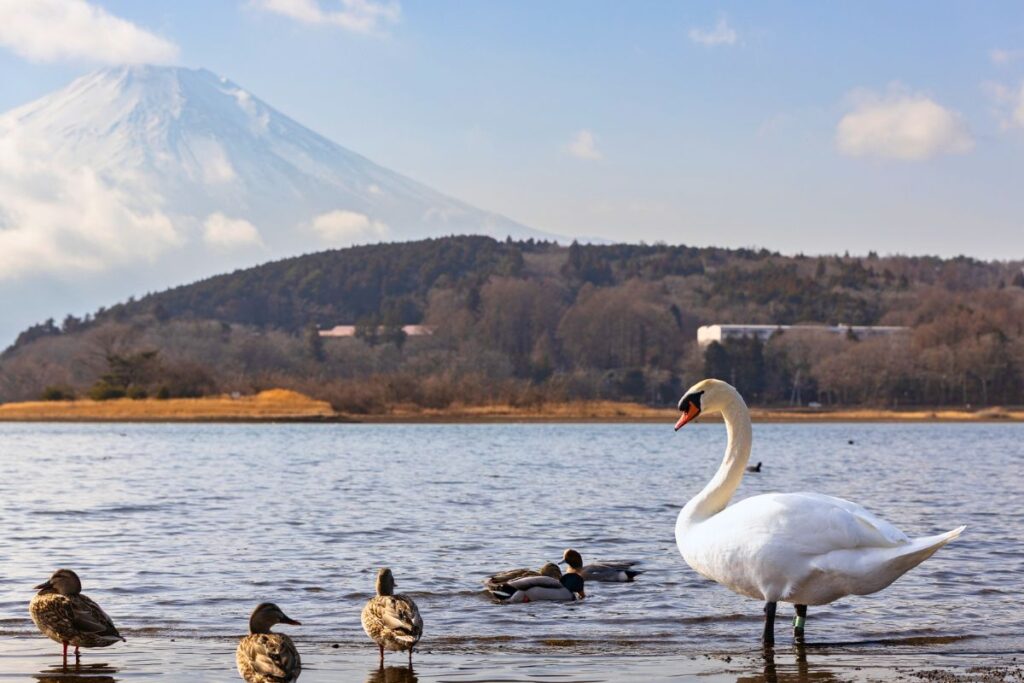
There’s no getting around it: Mt. Fuji in winter is cold, particularly first thing in the morning and after the sun goes down.
You’ll definitely want to pack a warm jacket, layers, and comfortable shoes.
That said, I was pleasantly surprised by how manageable the conditions were during my visits.
I was initially concerned about snowy landscapes and icy roads, but in reality, it ended up being quite the opposite.
Sure, it was cold temperature-wise, but there wasn’t any snow on the ground, and the lakes weren’t frozen over at all.
Does that mean it never snows? Of course not; winter storms are absolutely possible, but based on my experience and research, significant snowfall around the lower-lying lakes is relatively uncommon.
Just be aware that without the snow, the surrounding landscape can look quite bare during winter.
Many of the trees do lose their leaves, and there’s not nearly as much greenery as you’ll find during the warmer months.
On the flip side, though, winter is a wonderful time to enjoy the area’s natural hot spring onsens!
Shorter Days & Longer Nights
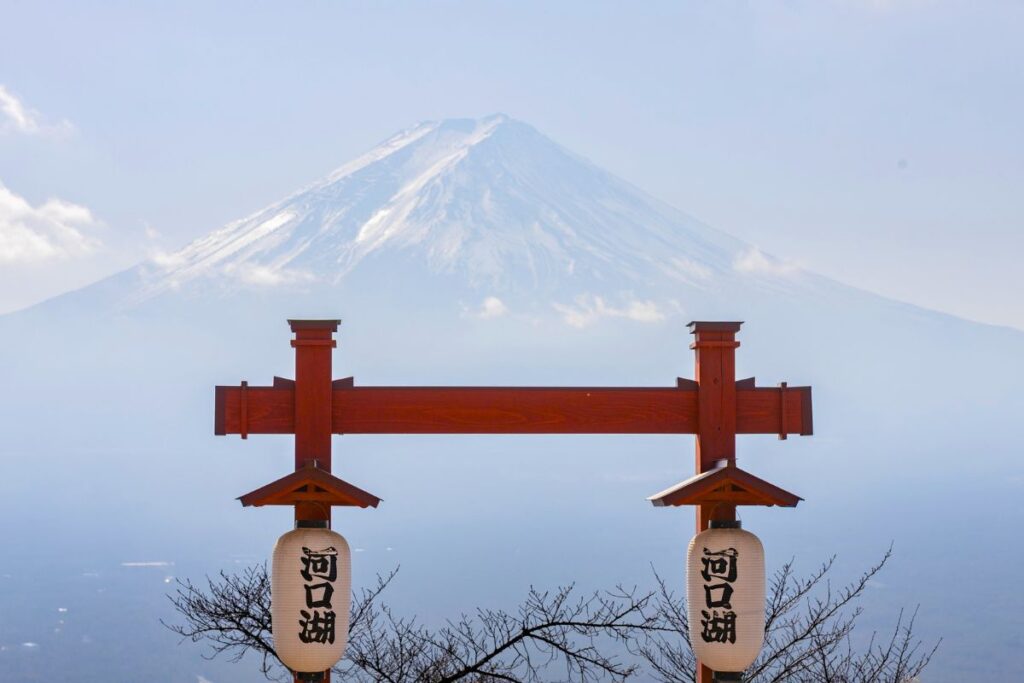
Winter brings with it shorter daylight hours, which unfortunately means less time for sightseeing.
During the peak of winter, the sun can set as early as 4:30 pm – which, trust me, can really impact your schedule.
To work around this, I recommend getting an early start and prioritizing the viewpoints and outdoor attractions you most want to visit.
This is especially important if you’re relying on public transportation, as you’ll want to factor bus schedules into your plans.
Crowds & Atmosphere

Since winter is such a great time to see Mount Fuji, crowds are common – though I wouldn’t say they’re overwhelming.
I’ve actually visited in winter both on a group tour and on my own, and noticed that most cold-weather travelers tend to favor guided tours – meaning they’re often funneled to the same locations.
As a result, popular sightseeing spots can get very crowded – which, honestly, is true any time of year.
But if you venture even a little outside the main touristy areas, the atmosphere becomes considerably calmer.
Seasonal Closures
Winter does bring with it a few seasonal closures that are important to mention.
Most notably, climbing Mt. Fuji is prohibited during the winter months due to harsh and dangerous conditions.
The official climbing season actually only runs from early July to early September, with all summit trails closed outside of this period.
Along those same lines, access to Mount Fuji’s 5th Stations (which are popular visitor areas) can also be restricted during the winter.
There are four different 5th Stations situated around the mountain, and access varies depending on the location.
Some implement seasonal closures, while others (like the Fuji Subaru Line 5th Station) generally remain open unless affected by snow or icy conditions.
If you plan to visit one of these stations, be sure to check the relevant road and bus operating schedules before heading out.
Best Places to See Mount Fuji During Winter
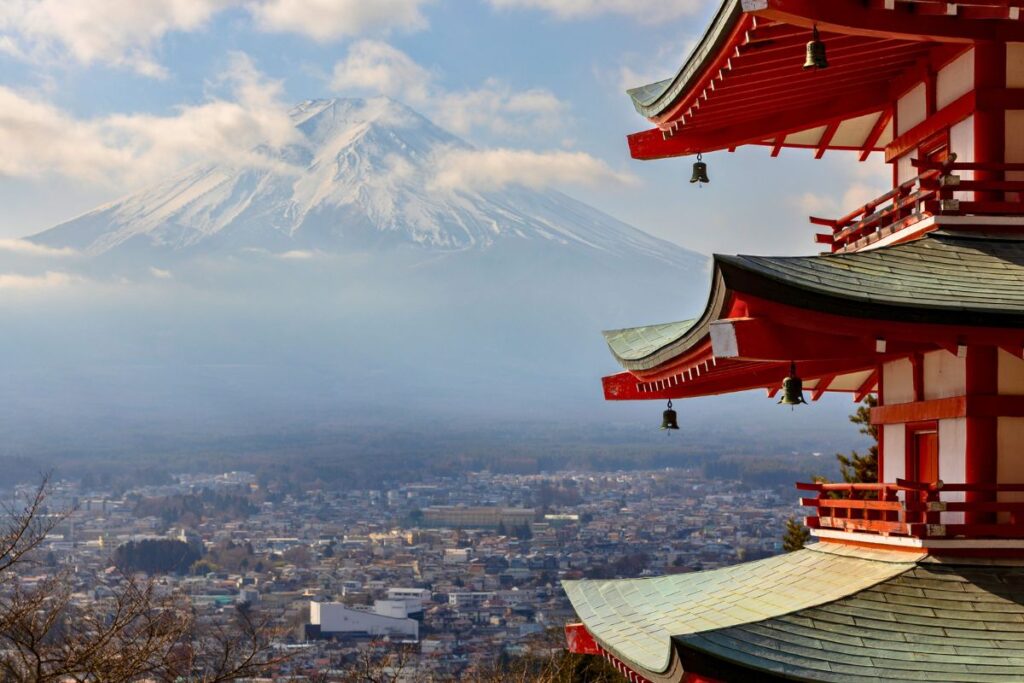
While there are plenty of beautiful places to admire Mt. Fuji, these are some of my favorites to visit during winter!
- Lake Kawaguchiko: A beautiful lake that offers classic views of Mt. Fuji, with plenty of scenic lakeside scenery.
- Chureito Pagoda & Arakurayama Sengen Park: A stunning mountainside park, famous for its postcard-worthy views of Mt. Fuji and Chureito Pagoda.
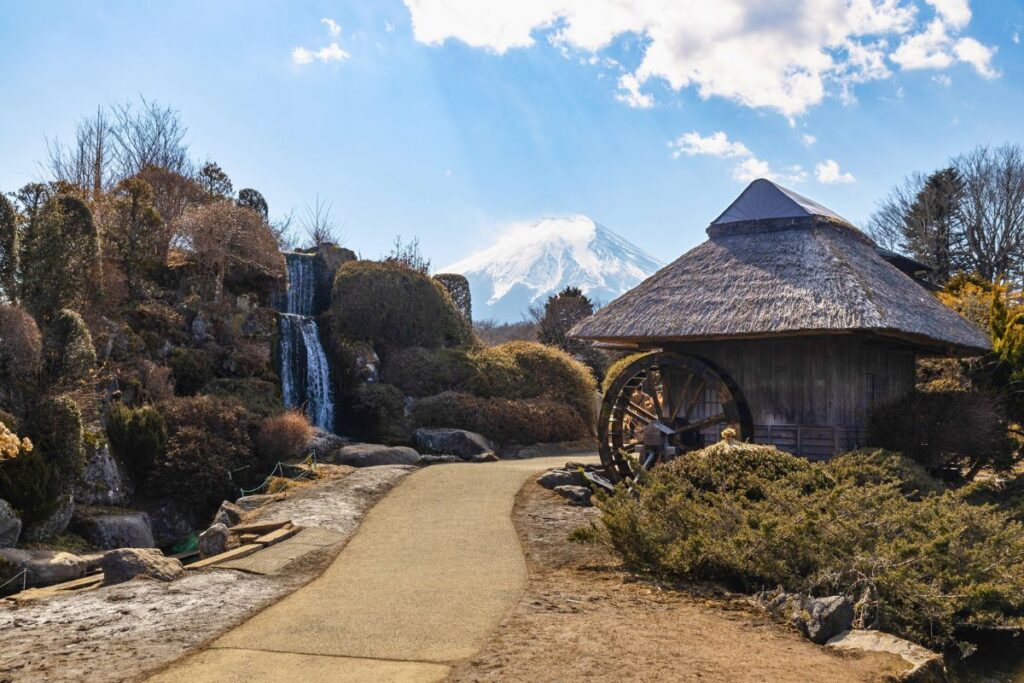
- Oshino Hakkai: A traditional village with crystal-clear ponds, thatched-roof buildings, and beautiful mountain views.
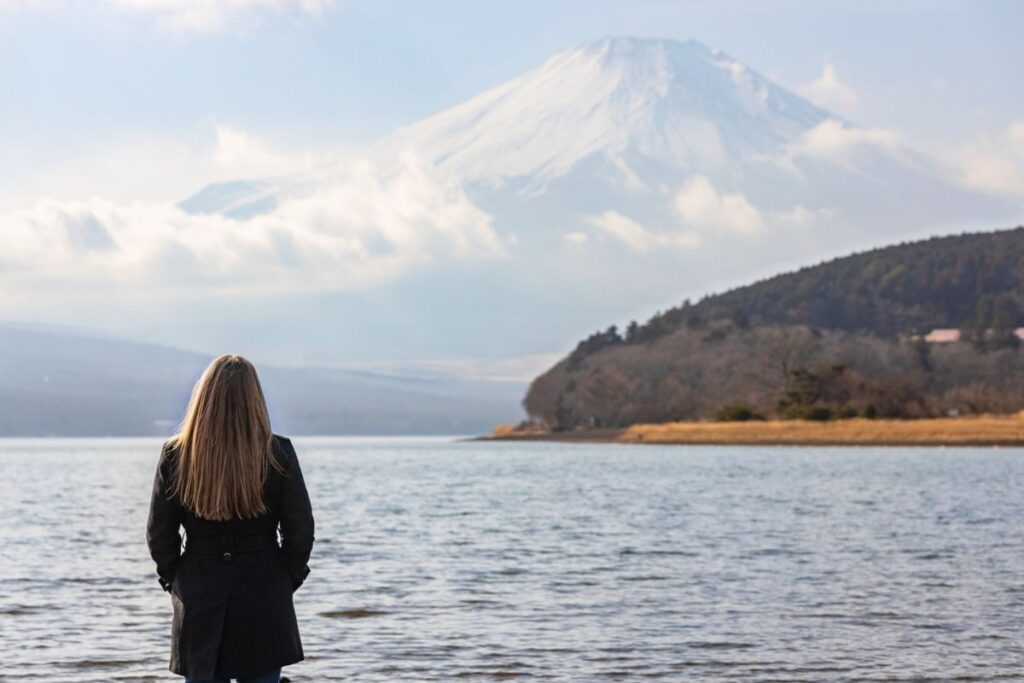
- Lake Yamanaka: A scenic lakeside destination where you can enjoy beautiful views of Mt. Fuji and the neighborhood’s resident swans.
- Fujiyoshida & Honcho Street: A charming town with iconic street views of Mt. Fuji framed by local shops and buildings.
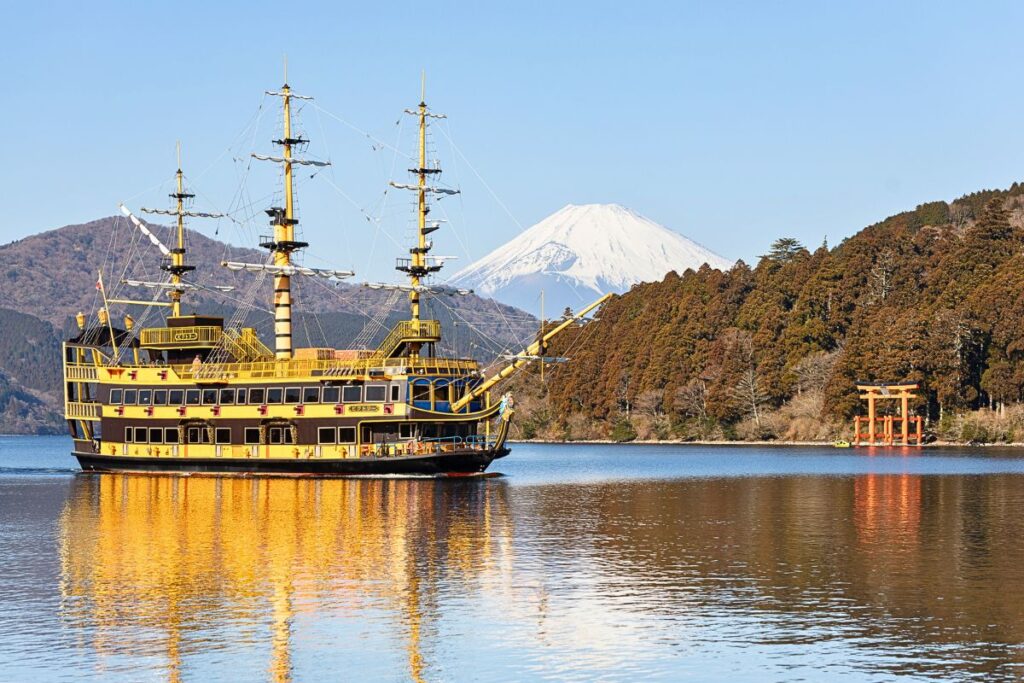
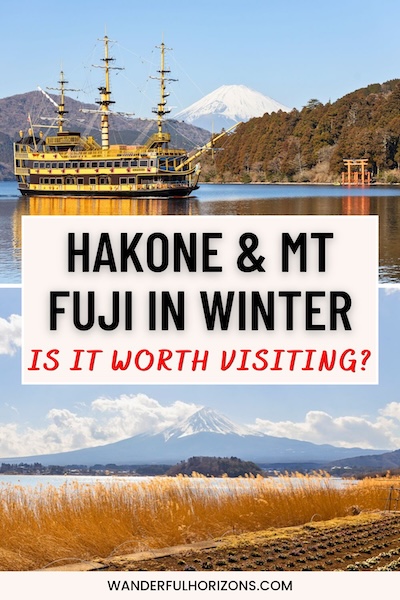
- Hakone: Another great area for winter views, particularly around Lake Ashi, where you can glimpse Mount Fuji, Hakone Shrine, and pirate-themed ships all in one go!
🌟 Want to know more? Check out my guide to the best views of Mt. Fuji for a closer look at the region’s most scenic spots!
Winter Events & Festivals Around Mt. Fuji
During the winter months, towns around Mt. Fuji host a variety of festive events and celebrations. While I haven’t had the opportunity to experience any of them myself, they do sound like they would be a fun addition to a winter trip!
- Lake Yamanaka Art Illumination Fantasium: Running from late November through early January, this art illumination event transforms Hana-no-Miyako Park with festive light displays and beautiful views of Mt. Fuji.
- Lake Kawaguchi Winter Fireworks: Held on select weekends from late January through late February, this annual winter fireworks display lights up the night sky above Lake Kawaguchiko.
- Lake Saiko Ice Festival: Taking place from late January to early February, this winter ice sculpture festival features towering ice formations and intricate displays that are illuminated after dark.
- Hakone Setsubun Fireworks & Festival: Held in early February, this traditional Setsubun celebration combines a unique demon-chasing ritual on Lake Ashi with a fireworks display the evening before.
- Lake Yamanaka Ice Candle Festival: Usually held for one day in mid-February, this lakeside candlelight festival features thousands of handmade ice candles, tethered LED sky lanterns, and fireworks.
Tips for Visiting Mount Fuji in Winter
A winter trip to Mt. Fuji does require a little extra planning, particularly when it comes to the weather and seasonal conditions. Here are a few things I’d keep in mind as you plan your visit:
- Dress for the Weather: It can get cold! So, be sure to pack a warm winter jacket, plenty of layers, and comfortable, sturdy shoes. Gloves, a scarf, and a hat are also worth bringing, particularly if you plan to explore after dark.
- Check Mt. Fuji’s Visibility: There are several live cameras set up around Mt. Fuji that provide real-time views of the mountain. You can use these to check visibility during your trip and decide which viewpoints are worth visiting.
- Be Flexible With Your Schedule: Even though winter offers some of the best chances of seeing Mt. Fuji, the mountain isn’t visible all the time. So, it’s best to be open and flexible – if one viewpoint is covered in clouds, you may have better luck finding a clearer view from another location.
- Consider Renting a Car: If you can, I highly recommend renting a car. It makes it so much easier to explore at your own pace, visit lesser-known viewpoints, and adjust your plans in response to the weather and visibility.
- Be Mindful of Weather Disruptions: While not common, snow and icy conditions can occasionally affect roads, particularly at higher elevations. It’s best to check road conditions and bus service updates in case of weather-related closures or delays.
- Book a Hotel With an Onsen: Winter is a wonderful time to enjoy Japanese hot springs, especially after a long day of sightseeing in the cold. If you can, consider booking accommodations with an onsen so you can warm up and relax during your stay.
🌟 Need help finding a hotel? Check out my guides: Where to Stay in Kawaguchiko and Where to Stay in Hakone to find the right base for your trip!
Frequently Asked Questions About Planning a Winter Trip to Mt. Fuji
Here are my thoughts on some commonly asked questions about visiting Mount Fuji in winter!
How Many Days Do You Need to Visit Mount Fuji in Winter?
This really depends on which areas you want to explore and how much you want to fit into your itinerary. I’d recommend spending either 2 days in Hakone or 3 days in the Fuji Five Lakes. This should give you ample time to explore the main highlights of each area without feeling too rushed. That said, if you’d like to visit both regions, 4–5 days would probably be best!
Which Winter Month Is Best for Seeing Mt. Fuji?
This can vary from year to year, but according to the latest statistics, November and February offer the highest chances of seeing Mt. Fuji, with a 93% chance of at least partial visibility. Meanwhile, February has the highest chance of full visibility at 79%. That said, I’ve visited in January and February and experienced clear skies on both trips!
How Cold Does It Get Around Mt. Fuji in Winter?
Winter temperatures vary depending on where you’re staying. In Hakone, average temperatures range from around 35°F to 48°F (2°C to 9°C), while the Fuji Five Lakes area is generally colder, with averages of 28°F to 42°F (-2°C to 6°C). November is typically the warmest month, while January is the coldest – particularly around Lake Kawaguchiko.
Can You Drive Around Mount Fuji in Winter?
Yes, it’s possible to drive around Mt. Fuji in the winter months! My husband and I actually rented a car for our second winter trip. I was initially a little worried about navigating the winding mountain roads in snowy or icy conditions, but they ended up being completely bare! That said, winter storms can still happen, so it’s important to be prepared. We opted for snow tires and full insurance coverage, including Non-Operation Charge (NOC) protection, which is often sold separately in Japan.
Is It Better to Visit Mt. Fuji in Winter or Summer?
This really depends on what you’re looking for! I’ve visited during both seasons, and each has its own appeal. Winter definitely offers the best chances of seeing Mount Fuji, and I personally think the snow-capped summit makes the mountain look even more striking. That said, summer does bring with it lush greenery, colorful flowers, and the ability to hike Mount Fuji. Just keep in mind that June and early July fall during Japan’s rainy season, so visibility can be less predictable – although I did experience some fantastic views during my June visit! Ultimately, you can’t go wrong with either season!
Final Thoughts: Is Mount Fuji Worth Visiting in Winter?
Absolutely! Winter can be a wonderful time to visit Mt. Fuji – even if, like me, you’re not particularly fond of the cold!
Between the snow-capped summit, clearer skies, and quieter moments away from the main tourist spots, there’s plenty to love about visiting during the colder months.
Of course, it’s not without its downsides. The shorter days, bare landscapes, and occasional weather disruptions are all things worth keeping in mind when planning your trip.
But overall, I’d absolutely recommend visiting Mt. Fuji in winter, especially if seeing the mountain in all its snowy glory is high on your bucket list. It’s a view that makes braving the cold well worth it!
Have additional questions about visiting Mt. Fuji in winter? Feel free to drop them in the comments below!
Like this winter guide to Mt. Fuji? Pin it now for later!

KRYSTI ATKINSON
Krysti is a travel writer currently based in Okinawa, Japan. Over the past 4 years, she has explored Japan extensively while traveling throughout Asia – from iconic cities to quiet, off-the-beaten-path destinations. Through Wanderful Horizons, Krysti shares detailed itineraries, practical travel tips, and firsthand recommendations to help travelers plan unforgettable adventures.