

Last updated on May 13, 2026 by Krysti
Thinking about taking a day trip to Uji? If you’re looking to escape Kyoto’s crowds, Uji just might be exactly what you need.
Known for its world-famous matcha, historic temples, and serene riverside views, Uji is a small but charming city – one that often gets overlooked.
Offering a quieter, more laid-back atmosphere, it’s a bit sleepier than its famous neighbor Kyoto, but that slower pace is exactly what makes it so special.
Rather than rushing between headline attractions, Uji invites you to take your time.
It’s a place where slow travel, relaxed wanderings, and lingering over a cup of green tea are all part of the experience.
In fact, that’s what drew me to Uji in the first place: the chance to immerse myself in the world’s best matcha without the crowds.
In the end, though, it wasn’t the tea that blew me away – although it was delicious – it was the atmosphere that truly won me over.
Calm, authentic, and refreshingly uncrowded compared to Kyoto, Uji is the perfect place to settle in and simply enjoy.
Still, it’s not a one-size-fits-all destination, and that’s worth considering.
So, before we dive into the full itinerary, let’s start with the most important question: Is Uji worth your time?
And if it is, I’ll show you exactly how to plan the perfect day trip from Kyoto.
*Please note: This post contains affiliate links to trusted partners. If you make a purchase using these links, I will earn a commission at no extra cost to you. Thank you for your support!
Is Uji Worth a Day Trip?
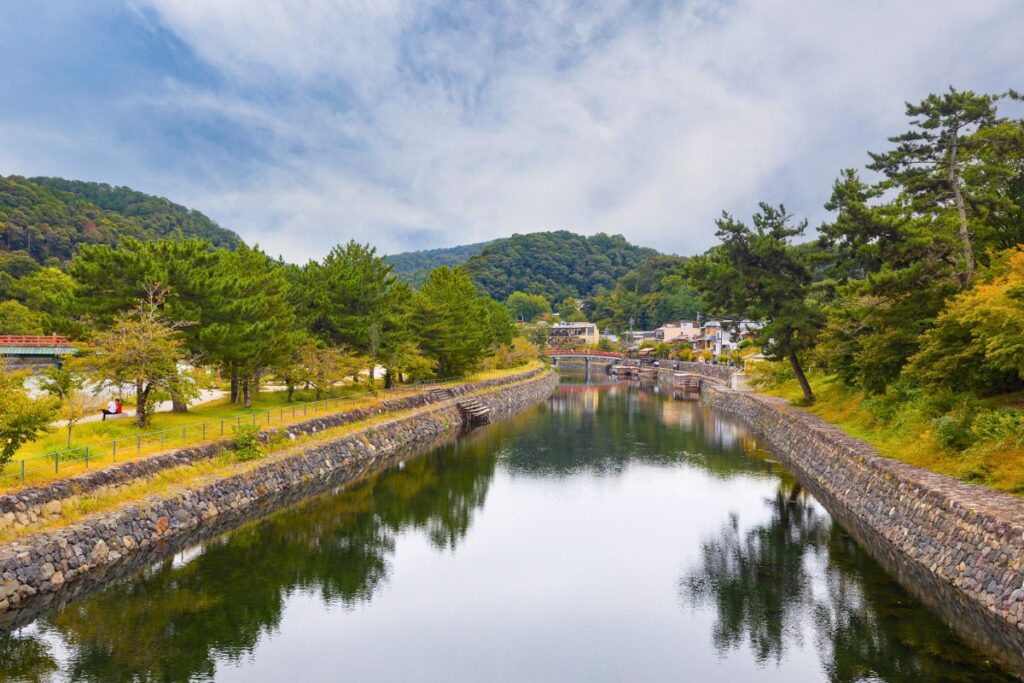
Here’s the honest truth: Uji is great, but it’s not for everyone.
While the city is undeniably authentic and charming, it’s also very small and slow-paced.
Compared to larger cities like Kyoto and Osaka, there simply isn’t as much to do here.
The focus in Uji really revolves around two main things: temples and matcha.
Which is absolutely great, if you love wandering peaceful temple grounds and sipping high-quality tea (like I do!).
But if you prefer fast-paced cities packed with nonstop sightseeing, Uji may feel a little quiet and maybe even repetitive.
To help you decide whether Uji is the right fit for your Kyoto itinerary, here’s a quick breakdown of who will love it – and who might want to skip it.
Uji Is Best For You If:
- You’d like to venture a bit off the beaten path to experience a slower, more traditional side of Japan
- You’re a matcha enthusiast looking for an authentic tea house experience
- You love temple hopping and exploring lesser-known historic sites
You May Want to Skip Uji If:
- You prefer fast-paced, high-energy travel
- You want to maximize your itinerary with as much sightseeing as possible
- Temples and green tea simply aren’t your thing
1 Day Uji Itinerary: An Overview
Now that you’ve got a sense of what to expect from Uji and whether it’s the right fit for you, let’s dive into the full itinerary. Below is a quick overview of my suggested day trip plan:
- 🍡 Byodo-in Omotesando: A charming pedestrian street lined with local cafes, restaurants, and souvenir shops.
- 🏛️ Byodo-in Temple: A UNESCO World Heritage Site known for its stunning architecture and rich history.
- 🌿 Uji River Walk: A scenic riverside pathway offering beautiful views of the surrounding landscape.
- ⛩️ Uji’s Smaller Shrines & Temples: A collection of quiet, lesser-known religious sites tucked just outside of the city center.
- 🌄 Optional – Daikichiyama Observation Deck: A scenic lookout point offering panoramic views of Uji.
- 🍵 Tsuen Tea House: The oldest tea house in the world, known for its matcha drinks and tea-inspired treats.
Map of Uji, Japan
To help you plan your trip, I’ve also included a map overview of all the destinations mentioned in this itinerary.

➡️ Click here to view an interactive version of this map!
1 Day Uji Itinerary: Explained
Without further ado, let’s take a closer look at the perfect Uji day trip. I’ve included the city’s most notable attractions, as well as a few alternatives for you to consider. Feel free to pick and choose and adapt this itinerary as you see fit!
Mid-Morning: Discover Byodo-in Omotesando
⏱️ 5-10 min walk from Uji Station (JR or Keihan lines)
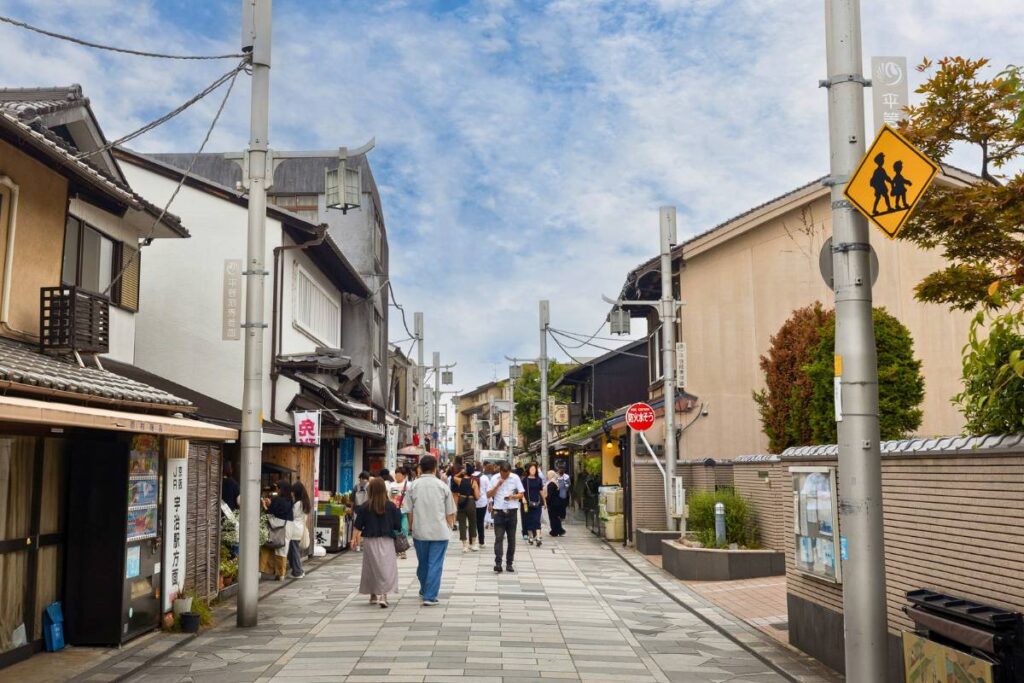
Spanning roughly 300 meters, Byodo-in Omotesando is a pedestrian-friendly street that travels between Uji Bridge and Byodo-in Temple.
Lined with local shops, restaurants, and cafes, it’s a great place to grab a bite to eat and browse for souvenirs.
The street, in particular, is known for its many tea shops, where you can find all kinds of Uji matcha products, including fresh matcha powder and matcha-flavored desserts.
You’ll also be treated to beautiful views of Uji River here, especially near Uji Bridge – which, as a side note, is one of Japan’s oldest bridges!
Why It’s Worth It: This street is one of the most charming in Uji with plenty of shops and restaurants to explore. I definitely spent a lot of time here shopping for souvenirs – and eating a bit too much matcha ice cream.🍦🫣
💡 Pro Tip: While you’re here, be sure to also stop by the Statue of Murasaki Shikibu. A renowned Japanese writer, Shikibu-san is the author of the Tale of Genji, which is said to be the world’s oldest complete novel.
Late Morning: Admire Byodo-in Temple
⏱️ 5 min walk from Byodo-in Omotesando
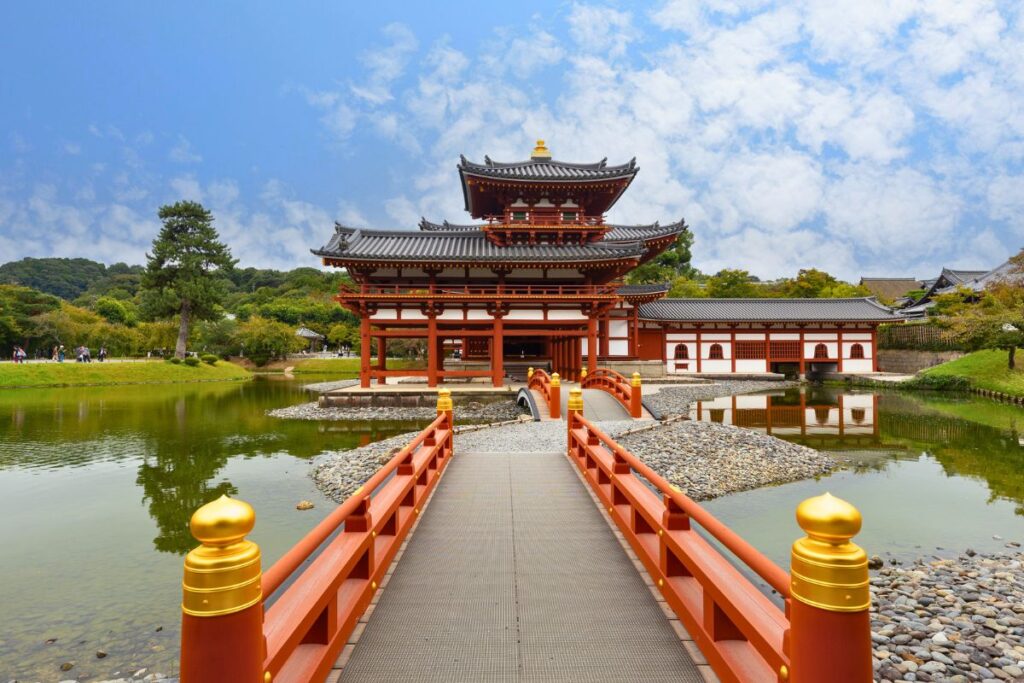
Dating back more than 1,000 years, Byodo-in Temple is, without a doubt, Uji’s most iconic landmark.
A designated UNESCO World Heritage Site, the temple is best known for its elegant architecture and deep historical significance.
While the grounds here are home to several halls and areas of worship, the highlight is the Phoenix Hall – a vivid red temple that is widely considered to be one of Japan’s most beautiful temple buildings.
Originally built in 1053, it’s one of the last remaining wooden structures from the Heian Period (794-1185).
The building is so important, in fact, that it even appears on the back of Japan’s 10-yen coin – a fun detail to look out for during your visit!
While here, you are welcome to explore the temple grounds, including its many halls and gardens. It’s even possible to enter the Phoenix Hall on a short guided tour.
Why It’s Worth It: Byodo-in Temple is absolutely stunning – especially the Phoenix Hall. It’s easily one of the most beautiful temples I’ve ever seen.
💡 Pro Tip: Don’t skip the Hōshōkan Museum while you’re here. Located within the temple grounds, it houses many of Byodo-in’s original treasures, including a pair of phoenix ornaments that once adorned Phoenix Hall.
Early Afternoon: Wander Along Uji River
⏱️ 5 min walk from Byodo-in Temple
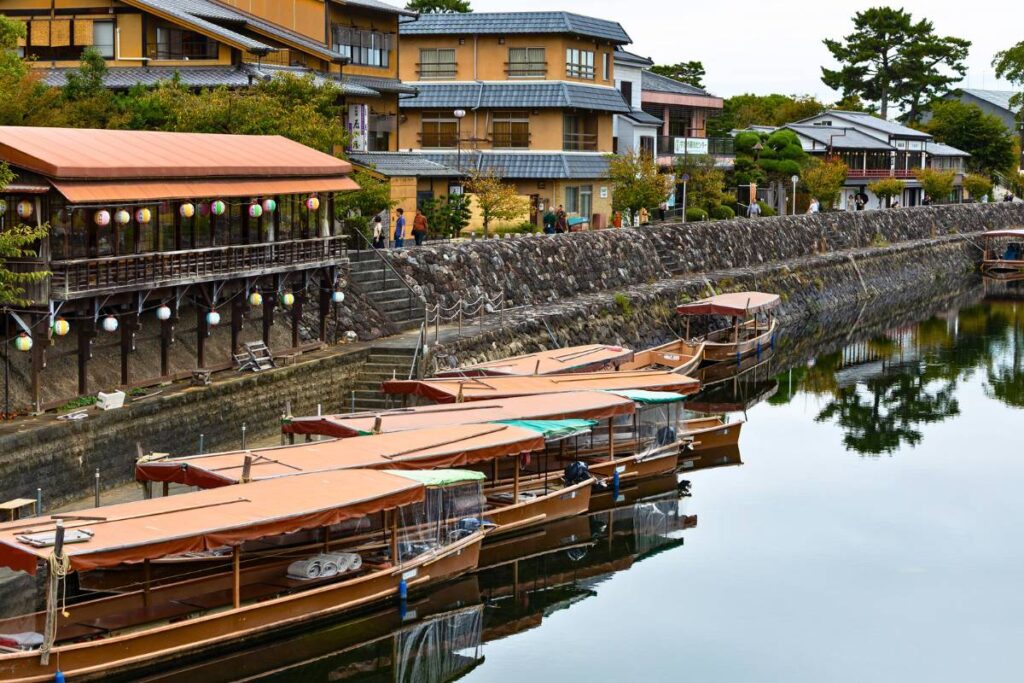
Flowing through the heart of the city, Uji River is a scenic destination, offering beautiful views of Uji and its surrounding mountains.
While you are free to wander along the riverbanks, there’s also a pathway through Uji Park that you can follow.
From here, you can enjoy some of the best views of the water and even take a short cruise on a traditional Japanese boat.
When you’re done exploring the area, simply cross the river via Asagiri Bridge, and you’ll find yourself just a short walk away from our next destination!
Why It’s Worth It: The area around Uji River is very scenic and peaceful. It’s the perfect spot to slow down and take in the views!
Mid-Afternoon: Explore Uji’s Smaller Shrines & Temples
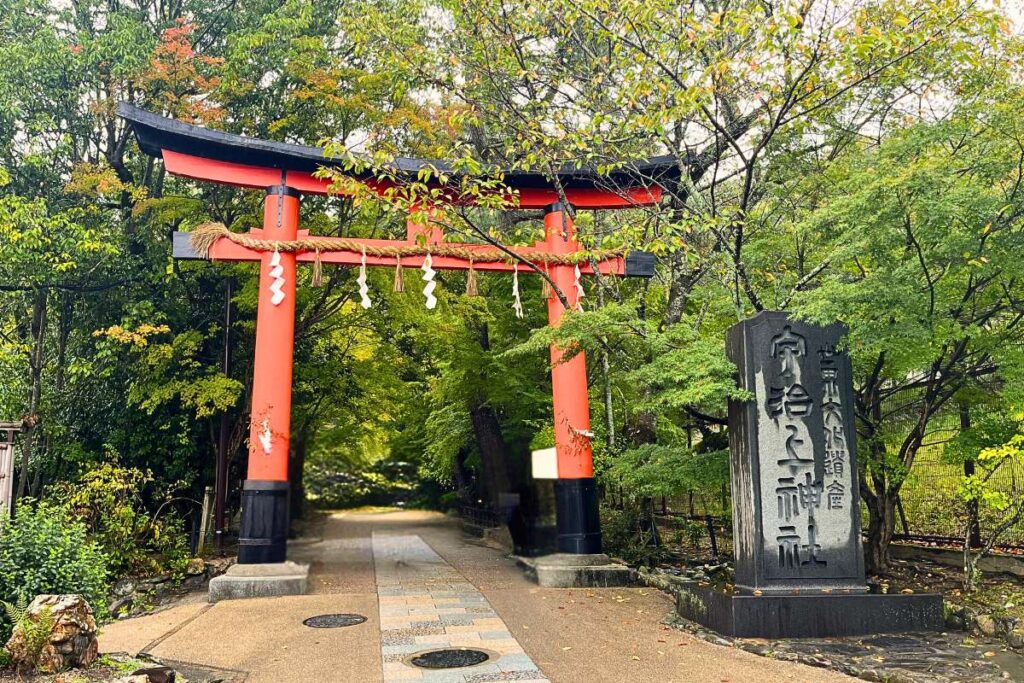
⏱️ 5-10 min walk from Uji Park
Uji is home to a number of smaller, lesser-known religious sites that offer a quieter, more peaceful atmosphere.
You can find most of them next to Uji River, scattered throughout the forests near Mount Buttokusan.
A few of the most notable include:
- Uji Shrine: Originally founded in 313, Uji Shrine is best known for its rabbit imagery, which appears throughout the grounds. Rabbits here are actually considered to be messengers of the deities, so they are prominently displayed in statues, charms, and decorations.
- Ujikami Shrine: A UNESCO World Heritage Site, Ujikami Shrine (aka Ujigami) was once part of Uji Shrine before it split off and became its own entity. Dating back to 1060, it is widely believed to be home to the oldest existing shrine building in Japan.
- Kōshō-ji Temple: Nestled deep in the forest, Kōshō-ji Temple is a Zen Buddhist temple that offers incredible natural scenery. It’s said to be especially beautiful during the fall months when the leaves change colors.
- Eshin-in Temple: Celebrated for its beautiful gardens, Eshin-in is a small Buddhist temple known for its quiet atmosphere and traditional charm. It is often associated with the Tale of Genji, a classic Japanese novel that is set in the city of Uji.
Why It’s Worth It: These hidden gems offer a less crowded, more authentic look at Japan’s spiritual traditions. I especially enjoyed Kōshō-ji Temple – we had it all to ourselves, and it was absolutely beautiful!
Optional Detour: Enjoy the Views From Daikichiyama Observation Deck
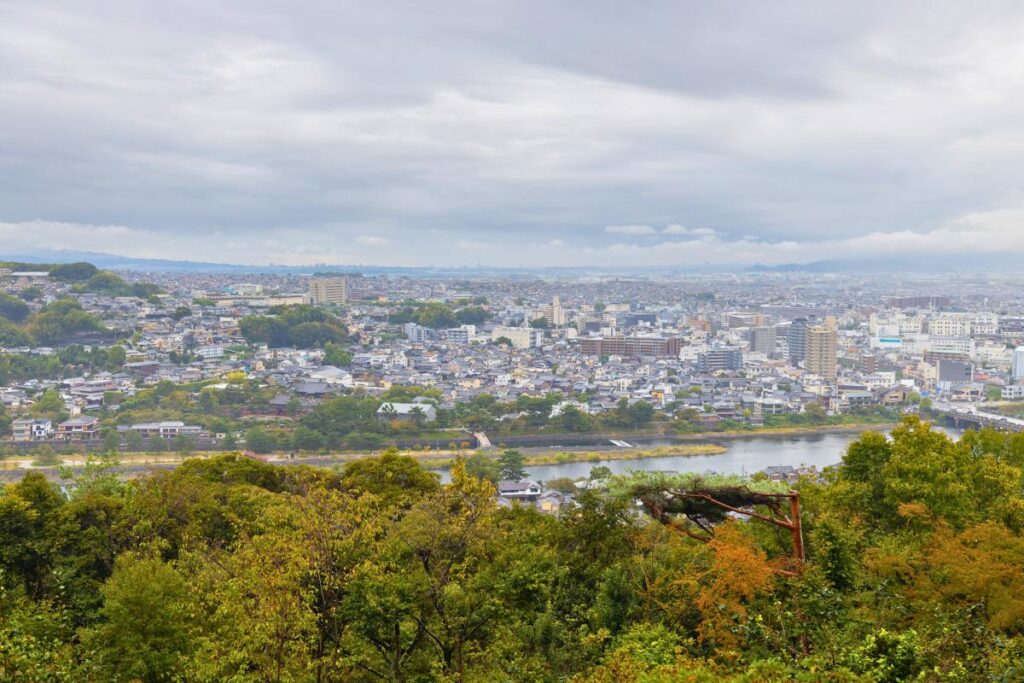
⏱️ 20 min hike from Ujikami Shrine
If you have extra time or feel like adding a bit more activity to your day, consider hiking up to Daikichiyama Observation Deck.
Nestled along the slopes of Mount Buttokusan, it offers great views overlooking the city of Uji and Uji River.
The hike is relatively short, about 20 minutes from Ujikami Shrine, but it is quite steep.
So, it’s best to wear proper footwear and bring along some water.
If you decide to include this in your itinerary, I recommend coming here before you go to Tsuen Teahouse (our next stop), so you don’t have to backtrack.
Why It’s Worth It: The views overlooking the city are great! Although it was a bit cloudy and rainy when we went, we still enjoyed ourselves and appreciated the scenery.
Late-Afternoon: Visit Tsuen Tea – the Oldest Tea House in the World
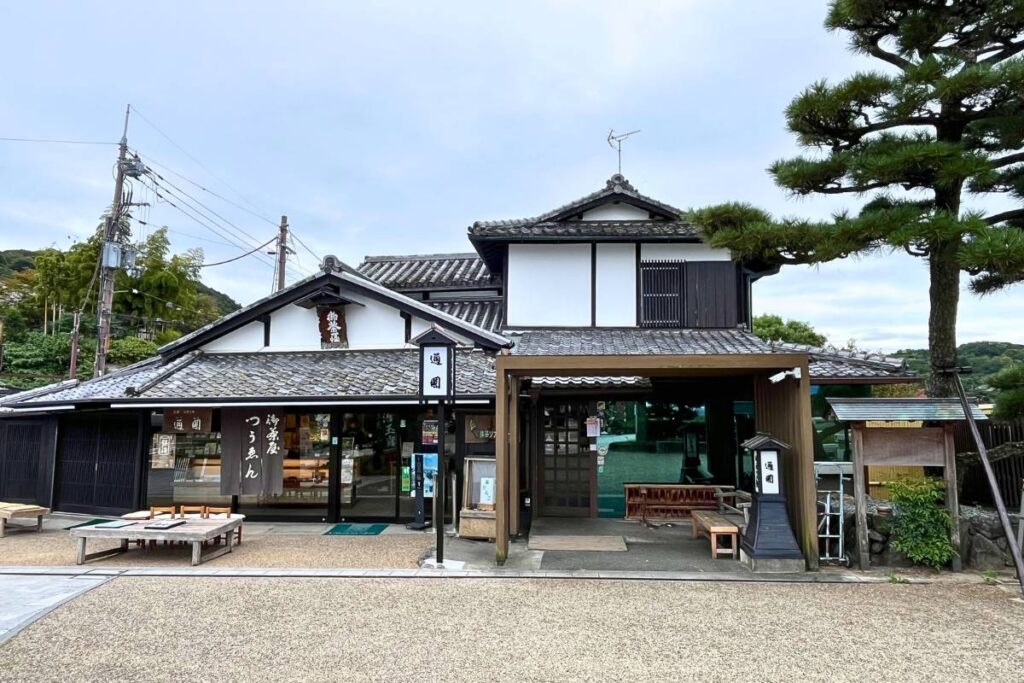
⏱️ 10 min walk from Uji/Ujikami Shrines
No trip to Uji would be complete without at least one visit to a traditional tea house.
And, if you’re going to do it, you might as well go to the oldest one in the world.
Founded in 1160, Tsuen Tea is a locally-owned tea house that has remained in the same family for more than 23 generations!
With techniques, trade secrets, and tea-making methods passed down from one generation to the next, this historic shop has perfected the art of Japanese tea.
In fact, their tea is widely regarded as some of the best in the city!
To sample it for yourself, you can visit their on-site cafe, where they serve up a variety of drinks and matcha-flavored bites.
Or you can purchase some of their tea to take home as a souvenir.
Why It’s Worth It: It’s not every day that you get the chance to sip matcha at the oldest tea house in the world! 🍵
Other Things to Do in Uji
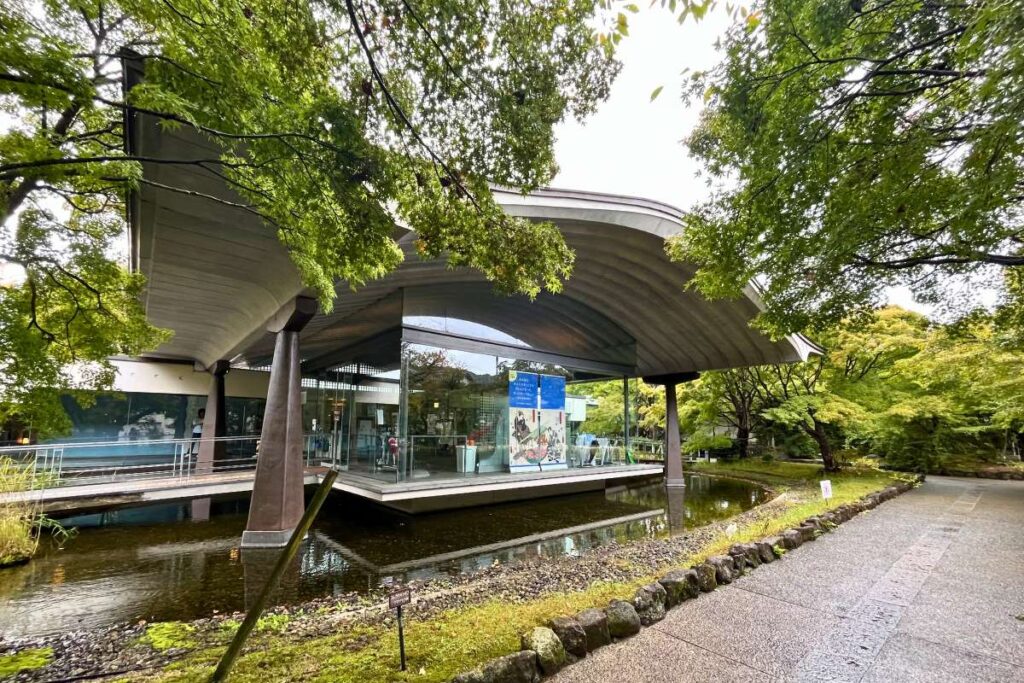
Tale of Genji Museum
Interested in adjusting this Uji itinerary? Or maybe you’re contemplating a longer stay? If so, consider visiting some of these other attractions as well!
- Chazuna Tea Museum: An interactive, hands-on museum, Chazuna is dedicated to Uji’s famous tea culture. Here, visitors can learn about the history of the region’s tea and even participate in activities such as tea grinding.
- Nintendo Museum: Newly opened in 2024, the Nintendo Museum offers an in-depth look at one of Japan’s most famous gaming consoles. Exhibits here highlight the history and evolution of Nintendo and offer hands-on gaming experiences.
- Tale of Genji Museum: Nestled at the foot of Mount Buttokusan, the Tale of Genji Museum is dedicated to a famous Japanese novel of the same name. Visitors here can learn more about this world-renowned story and its connection to the city of Uji.
- Mimuroto-ji Temple: Often referred to as the “Flower Temple,” Mimuroto-ji is famous for its beautiful seasonal gardens. It’s especially popular during hydrangea season (in June), when thousands of colorful blooms cover the temple grounds.
- Mampuku-ji Temple: Founded in the 17th century, Mampuku-ji serves as the head temple for the Zen Obaku sect of Buddhism. It’s particularly notable for its architecture, which features strong Chinese designs and influences.
- Tea Plantations: As Japan’s most famous matcha-producing region, Uji is home to several tea plantations. Some of these farms even offer guided tours where visitors can learn more about how local tea is grown and produced.
🌟 Planning to spend more time in Japan? Be sure to also check out my 10-day Japan itinerary – which includes stops in Uji as well as Tokyo, Kyoto, and Osaka!
How to Make the Most of Your Uji Day Trip
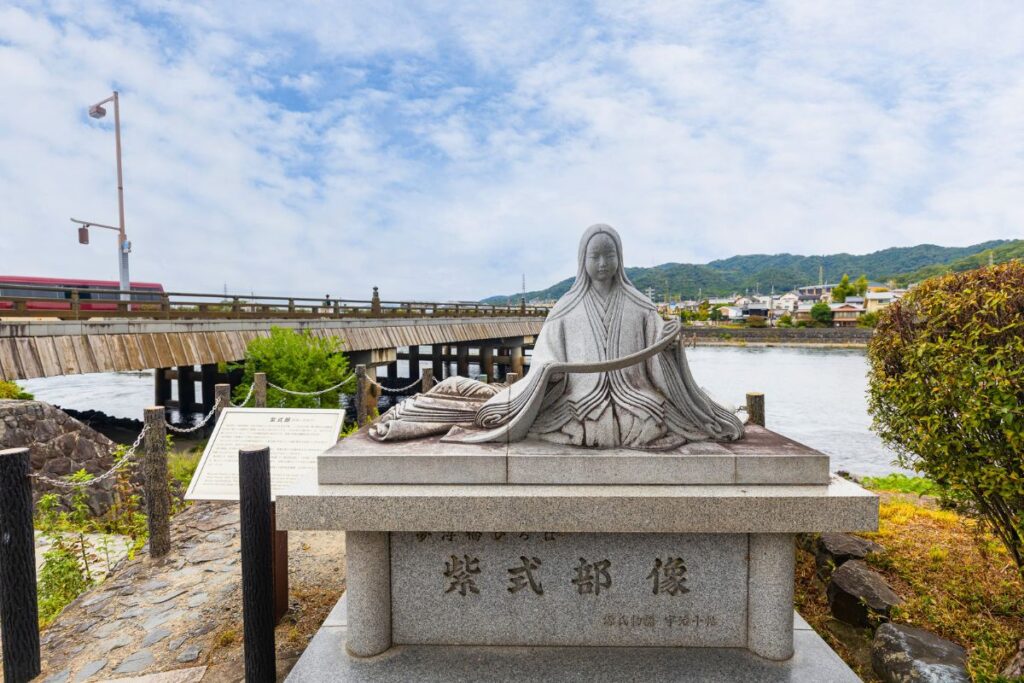
Statue of Murasaki Shikibu
While one day is more than enough time to explore Uji’s major highlights, there are a few tips and tricks you can use to help maximize your visit!
Be Mindful of Time
Uji is a small city filled with locally-run businesses, many of which maintain shorter operating hours. In fact, most of the restaurants and cafes here don’t open until 9:00 or 10:00 am, and many close for the day between 5:00 and 6:00 pm. So, definitely be mindful of that and be sure to plan accordingly.
Wear Comfortable Shoes For Easy Walking
Thankfully, many of Uji’s main sights are located within walking distance of each other. This makes it easy and simple to get around. But it also means you’ll be doing quite a bit of walking – probably much more than you’d expect. So be sure to wear comfortable walking shoes!
Less is More: Enjoy Each Stop
Uji is all about slowing down and taking your time – so embrace that mindset while you’re here! Rather than trying to see everything at once, focus on a few places that genuinely interest you. Trust me, you’ll enjoy the experience much more if you aren’t rushing around from place to place.
Consider a Guided Tour of Uji For Extra Insight
If you’re worried about planning your own day trip to Uji, consider joining a guided tour instead. Many focus on Uji’s tea heritage, offering deeper insights into the history, production, and cultural importance of Uji matcha.
Just be aware that many of these tours don’t include transportation into the city. So, that’s something you’ll still need to arrange for yourself.
Here are a few top-rated tours for you to consider:
How to Get to Uji For A Day Trip

Getting to Uji is pretty simple and straightforward, thanks to its convenient location.
Situated in the heart of the Kansai region, Uji lies just south of Kyoto and north of Osaka.
As a result, it’s easily accessible by train, with two main train stations available: Uji Station and Keihan Uji Station.
While Uji Station is the main JR station serving the city, Keihan Uji Station is operated by Keihan Electric Railway.
Both stations accept IC cards. However, the JR pass is only valid on trains transiting through Uji Station.
How to Get to Uji From Kyoto
Most visitors travel to Uji from Kyoto, as it’s quick and easy to reach. The two main routes for this journey are:
- 🚆 JR Nara Line: Travels from Kyoto Station to Uji Station in about 20 minutes. This is the fastest and most direct option.
- 🚃 Keihan Line: Runs from Gion-Shijo Station or Sanjo Station to Keihan Uji Station with a transfer at Chushojima Station. Total transit time for this is roughly 30 minutes. This route is the most convenient option for those staying near Gion.
How to Get to Uji From Osaka
While Uij is most commonly visited from Kyoto, it’s still possible to get there from Osaka – it just takes a bit longer.
For those traveling from Osaka to Uji, there are two options to consider:
- 🚆 Keihan Line: Runs from Yodoyabashi Station or Kyobashi Station to Keihan Uji Station with a transfer at Chushojima Station. Total travel time is roughly one hour. This is the most cost-effective option for those without a JR Pass.
- 🚃 JR Line: Travels from Osaka Station to Uji Station with a transfer at Kyoto Station. Total travel time is about one hour. This is the most cost-effective option for those using a JR Pass.
How to Get Around Uji
Since Uji is such a small city, it’s very walkable and easy to navigate.
In fact, many of the major sights, especially around Byodo-in Omotesando and Uji Park, are pedestrian-focused, so walking is often the only way to access them.
While public buses are available, they’re mainly used for travel beyond the city center.
Best Time to Visit Uji
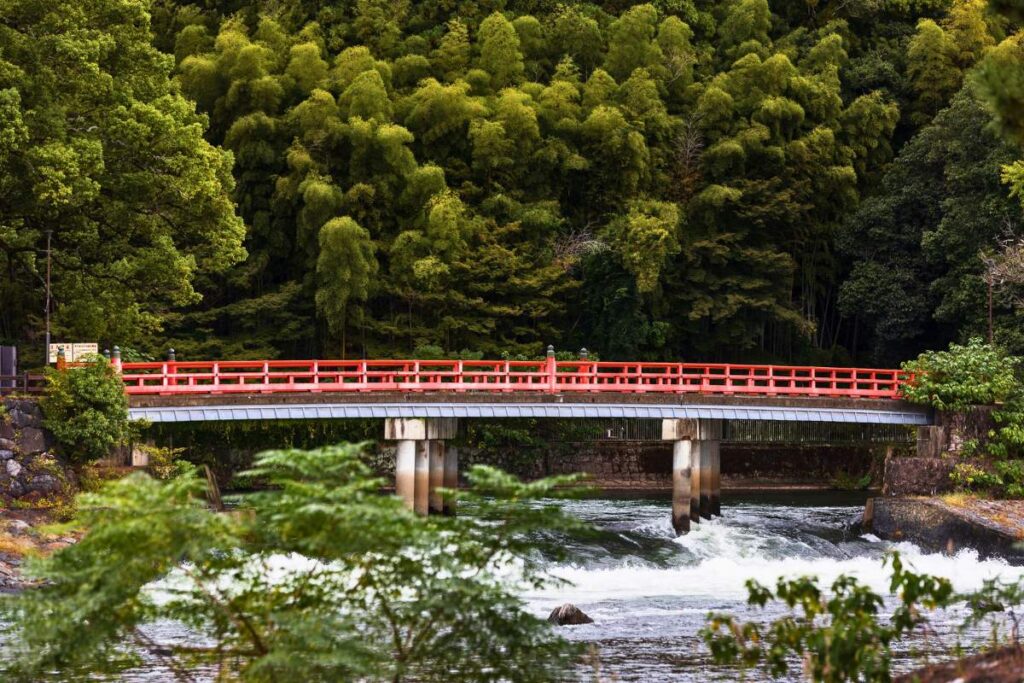
In my opinion, the best time to visit Uji is either in the spring or in the fall.
Both seasons offer mild, pleasant weather with minimal rain.
On top of that, the scenery is especially beautiful with cherry blossoms in the spring and autumn leaves in the fall.
Just be aware that crowds do tend to peak during cherry blossom season – typically around early to mid-April.
Winter is another great option to consider if you’re looking for a quieter experience.
While temperatures will be cooler, the town generally sees fewer tourists during the winter months, which means shorter lines and fewer crowds.
And finally, we have summer, which brings about hot, humid temperatures with frequent rain.
However, it is a great time to visit if you’re interested in cultural festivals and experiences.
In Uji specifically, they are known for hosting Cormorant fishing demonstrations – this is a traditional method of fishing that involves the assistance of cormorant birds.
What to Eat in Uji
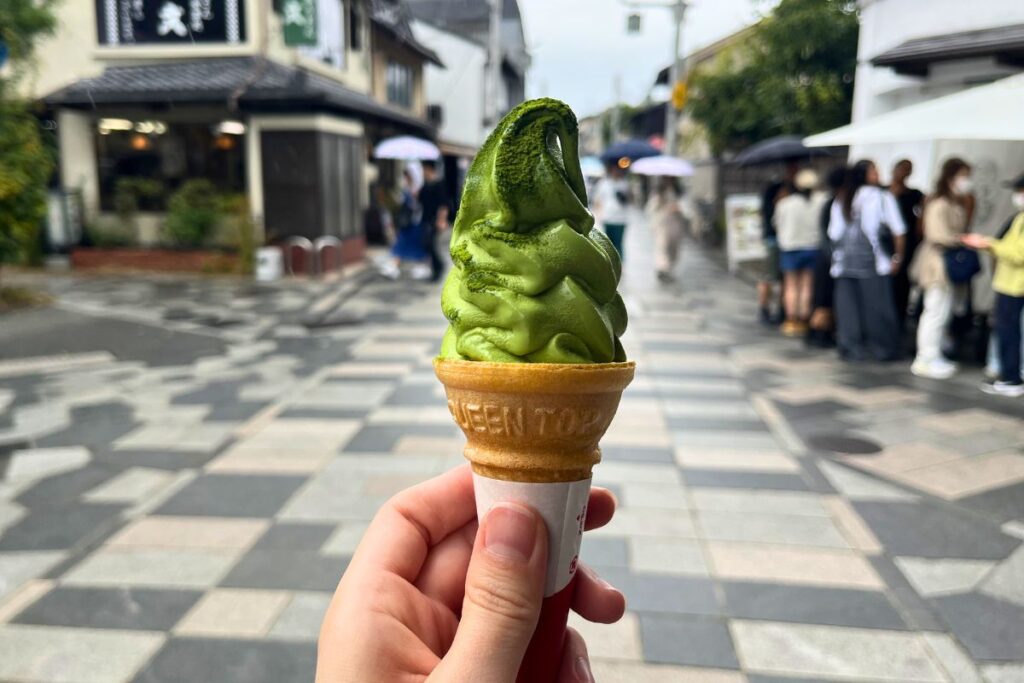
Uji is known as the “Matcha Capital of Japan,” a title that the city fully embraces. In fact, matcha has become such a big part of Uji’s identity that it’s used in just about everything – and I do mean everything! From desserts to drinks and even noodles, you’ll find matcha powder incorporated into a wide variety of local dishes. Below are a few of the city’s most popular matcha treats:
- Matcha Tea: The classic staple – matcha green tea. You can try it served the traditional way, prepared simply with water, or enjoy a sweeter version in the form of a matcha latte.
- Matcha Desserts: From matcha ice cream to matcha cakes, puddings, and parfaits, the options here are endless – and they’re all delicious!
- Matcha Soba: Offering a subtle green tea flavor, matcha soba is simply buckwheat noodles that have been infused with matcha powder. These green noodles are often served cold with a dipping sauce.
- Matcha Croquettes: A Japanese favorite, croquettes are traditionally deep-fried patties filled with mashed potatoes and ground meat. In Uji, however, they’re often made with a mix of mashed potatoes and matcha powder.
Frequently Asked Questions About Planning a Day Trip to Uji
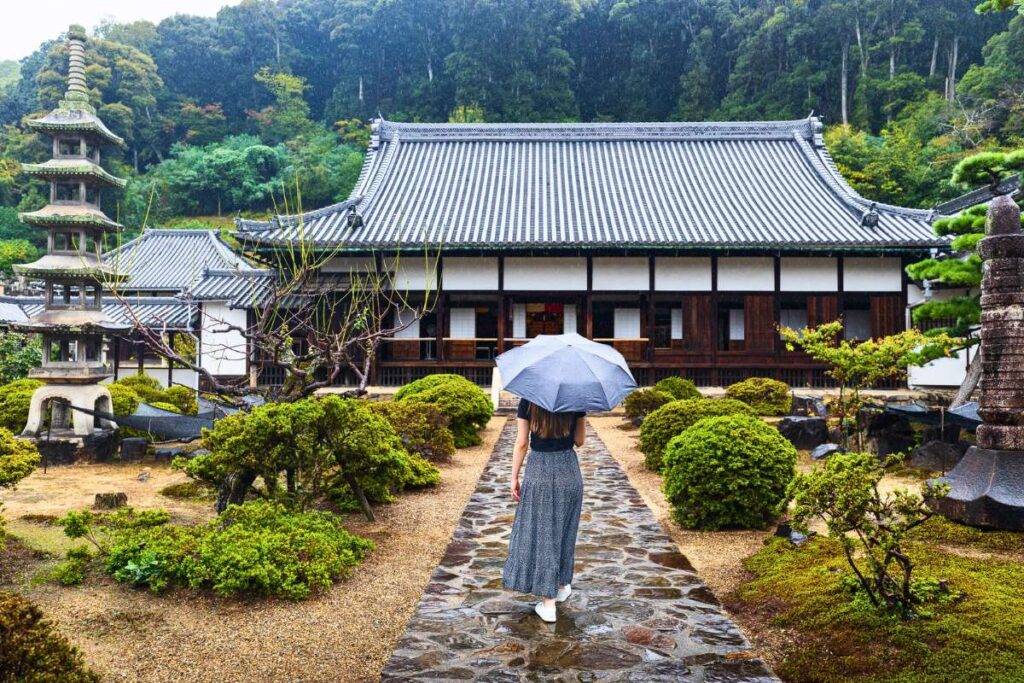
Kōshō-ji Temple
Here are my thoughts on some commonly asked questions about visiting Uji.
Is 1 Day Enough for Uji?
In my opinion, yes, one day is more than enough to explore Uji’s main highlights. Uji is a small city, and everything is clustered together, so it’s easy to visit all of the major sights in a single day.
Is It Worth It to Spend the Night in Uji?
For most travelers, it’s not necessary to spend the night in Uji. The city is better explored as a day trip, given how small and compact it is. An overnight stay really only makes sense if you plan to venture beyond the city center. Instead, I recommend basing yourself in Kyoto and traveling to Uji from there – my guide on where to stay in Kyoto breaks down the best neighborhoods for you to consider.
Do You Need to Book Anything in Advance for Uji?
No, you don’t need to book anything in advance for Uji, unless you plan to join a guided tour. Many attractions are free, and those that do require tickets (like Byodo-in Temple) can be purchased upon arrival. Guided tours, however, have been known to sell out, so I recommend booking them in advance.
Which Is Better For a Day Trip: Uji or Nara?
I wouldn’t say that one is better than the other. Uji and Nara are equally great destinations; they just offer different experiences. Ideally, I recommend visiting them both – on separate days. However, if that’s not possible, base your decision around what interests you the most. If you’re hoping for a mix of historical architecture and wildlife encounters, then opt for a day trip to Nara. But, if you’d prefer a quieter destination filled with hidden gems and matcha tea, go with Uji instead. Either way, you really can’t go wrong!
Can You Visit Uji & Nara in One Day?
Yes, it’s definitely possible to visit Uji and Nara in one day, but you’ll need to keep your itinerary fairly limited. Given the time constraints, you’ll only be able to see a few highlights at each destination. If you do decide to go this route, I recommend joining a guided tour to help simplify your transportation and logistics.
Final Verdict: Would I Recommend a Uji Day Trip?
For the right traveler, absolutely!
Uji may be small, but its traditional atmosphere, historic temples, and incredible tea culture make it a truly special place to visit.
If you enjoy slower-paced destinations where you can wander, relax, and soak in the scenery, a day trip to Uji is well worth the effort!
Are you planning a day trip to Uji? If so, what are you most excited to do? Let me know in the comments below!
Love this Uji day trip itinerary? Pin it now for later!




KRYSTI ATKINSON
Krysti is a travel writer currently based in Okinawa, Japan. Over the past 3+ years, she has explored Japan extensively while traveling throughout Asia – from iconic cities to quiet, off-the-beaten-path destinations. Through Wanderful Horizons, Krysti shares detailed itineraries, practical travel tips, and firsthand recommendations to help travelers plan unforgettable adventures.


