Last updated on August 10, 2026 by Krysti
Headed to Japan for the first time? After 3 years of living and traveling across the country, I’ve put together a realistic 10 day Japan itinerary to help you get it right!
Japan is a country full of contrasts – one where centuries-old temples and quiet neighborhoods sit alongside some of the most fast-paced cities in the world.
It’s a place where you can begin your morning wandering through a peaceful temple and end your night under the bright neon lights of Tokyo’s busiest districts.
This mix is what makes Japan such an exciting and unique place to explore – but it also means that a visit here does require a bit of planning.
With so many cities, day trips, and must-see attractions, having a clear route makes it much easier to enjoy the experience without feeling rushed or overwhelmed.
And that’s exactly where this guide comes in.
This itinerary is designed to give you a flexible 10-day framework that you can shape according to your own pace and interests.
While I’ve included a suggested day-by-day overview, the detailed city sections focus on the attractions, neighborhoods, transportation, and practical tips you’ll need to customize each stop.
What’s more, it’s based on places I’ve personally visited – more than once – with a focus on efficient travel and realistic pacing.
Following Japan’s classic “Golden Route,” this itinerary will take you through Tokyo’s vibrant neighborhoods, help you discover Kyoto’s most iconic temples, and allow you the opportunity to experience Osaka’s lively food scene.
Ready to start planning? Then let’s dive right in and discover your perfect 10 day itinerary for Japan!
*Please note: This post contains affiliate links to trusted partners. If you make a purchase using these links, I will earn a commission at no extra cost to you. Thank you for your support!
Is 10 Days Enough for Japan?
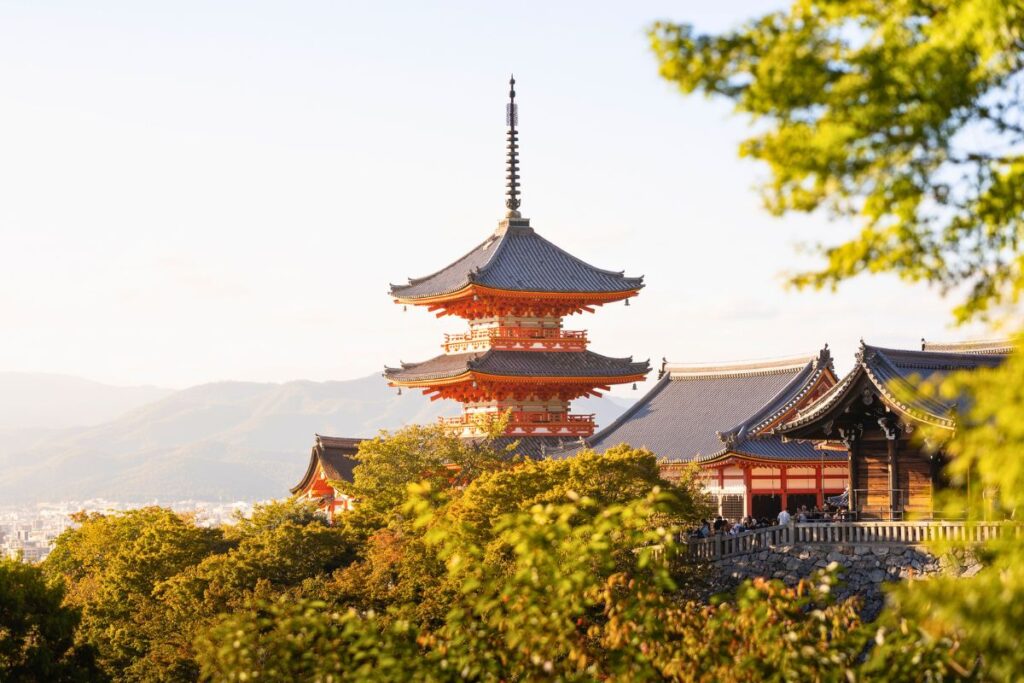
Kiyomizu-dera Temple in Kyoto.
Truthfully, you won’t be able to see everything Japan has to offer, but 10 days is still a solid amount of time for a first visit.
In fact, 10 days is the minimum I’d recommend, as someone who has traveled extensively throughout Japan.
This gives you ample opportunity to explore the country’s biggest highlights without feeling like you’re spending your entire vacation in transit.
With 10 days, you can comfortably explore Tokyo, Kyoto, and Osaka with a few memorable day trips thrown in along the way.
That said, it is a fairly fast-paced itinerary with a few city changes and busy travel days.
But don’t let that deter you – it’s all part of the experience, especially if you’re hoping to see as much as possible!
10 Day Japan Travel Itinerary: An Overview
With that in mind, here’s a quick overview of my suggested itinerary. I’ve grouped each day by area to help you make the most of your time while minimizing unnecessary travel.
- Day 1 – Tokyo: Explore Shibuya & Shinjuku 🏙️
Visit Meiji Shrine and Harajuku, experience the energy of Shibuya, unwind at Shinjuku Gyoen, and enjoy the nightlife of Shinjuku. - Day 2 – Tokyo: Discover Asakusa & Ueno Park 🏮
Step back in time at Senso-ji, explore Ueno Park, take in the views from Tokyo Skytree, and finish the day with a sumo dinner show. - Day 3 – Tokyo: Visit Central Tokyo‘s Iconic Sights 🗼
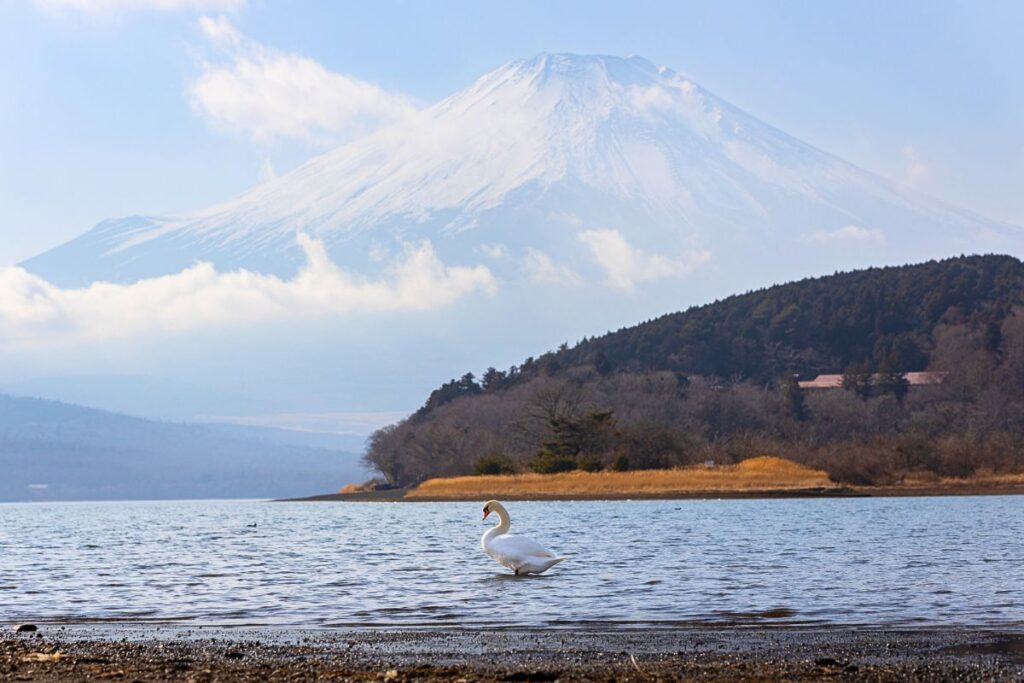
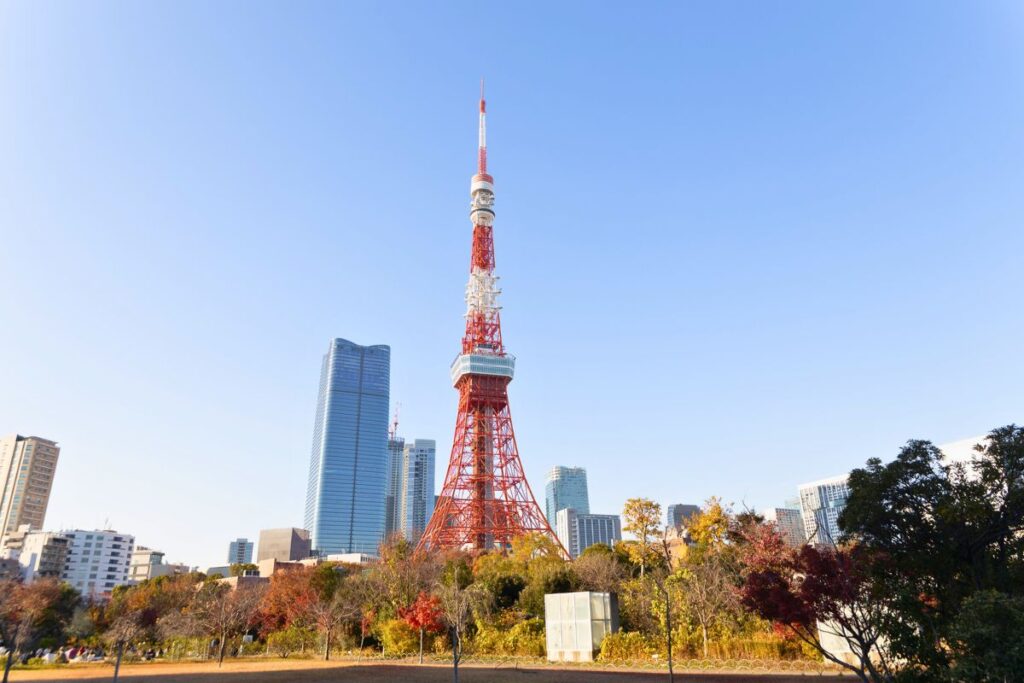
Start with breakfast at a local fish market, experience the immersive world of teamLab, admire the views around Tokyo Tower, and experience the nightlife of Roppongi. - Day 4 – Tokyo: Take a Day Trip to Mount Fuji 🗻
Escape the city for a day of spectacular scenery and some of the best views of Mount Fuji.
- Day 5 – Kyoto: Travel to Kyoto & Explore Gion 🍵
Take the Shinkansen to Kyoto, then explore Kiyomizu-dera, Hokan-ji Temple, and the historic Gion District. - Day 6 – Kyoto: Discover Fushimi Inari Shrine & Central Kyoto ⛩️
Start at Fushimi Inari Taisha, then explore Nishiki Market, Kyoto Imperial Palace or Nijo Castle before enjoying the lively atmosphere of Kawaramachi in the evening. - Day 7 – Kyoto: Experience the Highlights of Arashiyama 🎋
Wander through the Arashiyama Bamboo Forest, visit Tenryu-ji Temple, feed the monkeys at Monkey Park, and enjoy a scenic river cruise. - Day 8 – Kyoto: Take a Day Trip to Nara or Uji 🦌
Spend the day exploring Nara’s historic temples and free-roaming deer, or head to Uji for peaceful temples, riverside scenery, and some of Japan’s best matcha.
- Day 9 – Osaka: Travel to Osaka & Explore the City’s Highlights 🍜
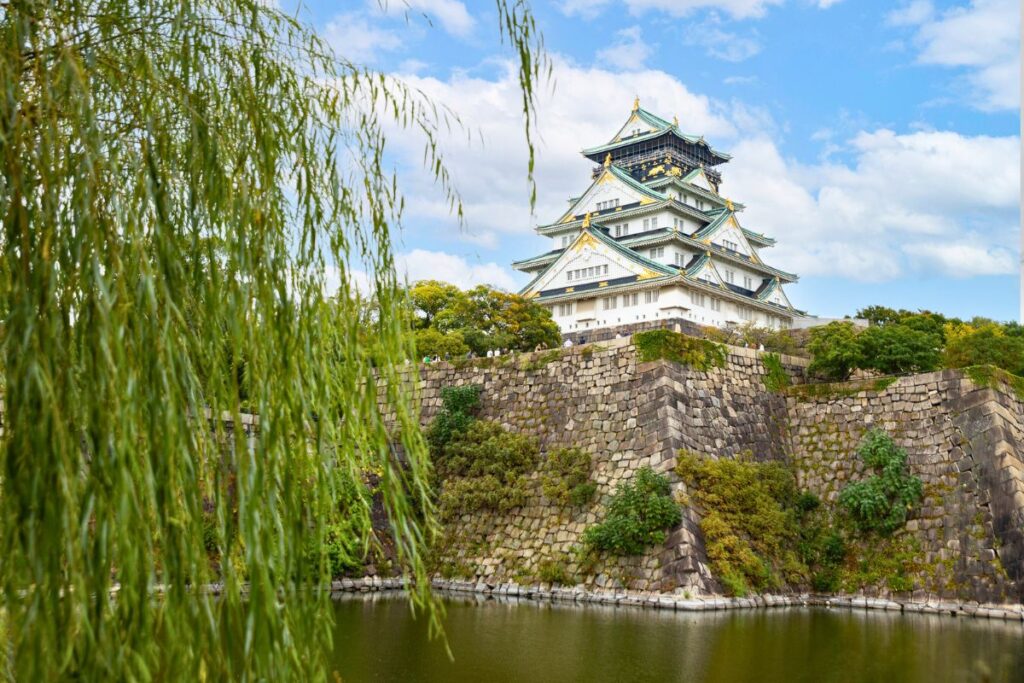
Take the train to Osaka, then visit Osaka Castle and Kuromon Ichiba Market, explore Shinsaibashi Shopping Street, and finish the day with dinner in Dotonbori. - Day 10 – Osaka: Take a Day Trip to Kobe or Himeji 🏯
Spend your final day exploring the historic streets and iconic castle of Himeji, or head to Kobe for its waterfront scenery and famous local cuisine.
💡 Pro Tip: I recommend arriving in Tokyo the night before your 10-day itinerary begins. This will give you time to settle in a bit and recover from jet lag before you begin exploring!
Map of Japan
To help you plan your trip, I’ve also included a map overview of all the places mentioned in this Japan itinerary.

➡️ Click here to view an interactive version of this map!
10 Day Japan Travel Itinerary: Explained
On that note, let’s dive right in and take a closer look at each stop along this 10 day itinerary for Japan. In the sections below, I’ll walk you through the key areas and highlights for each destination so you can plan your time in a way that best suits your needs and interests!
Stop 1: Tokyo – 4 Days
As the capital city of Japan, Tokyo is a lively and vibrant destination – one that offers a wealth of attractions and activities.
From ancient shrines and colorful temples to bustling shopping districts, expansive parks, cutting-edge museums, and buzzing nightlife, this city truly has something for everyone!
And, while you could easily spend weeks (possibly months) exploring all that Tokyo has to offer, four days should give you just enough time to get a feel for the city.
For this itinerary, I recommend spending three days exploring the city’s most popular districts. Then, on your fourth day, you can venture outside of the city on a day trip.
How to Get to Tokyo
Since Tokyo is the first stop on our itinerary, I recommend flying directly here.
The city offers two airports: Narita International Airport (NRT) and Haneda Airport (HND).
While Haneda is closer to the city and typically more convenient, Narita tends to offer more international flight options.
Either way, it’s quite easy to make it into the city from both airports.
If you’d like to see detailed transit options from Narita or Haneda, please visit the “How to Get to Japan” section below.
📝 Side Note: This itinerary begins in Tokyo and ends in Osaka. So, I recommend booking a multi-city ticket – this will allow you to arrive in Tokyo and depart from Osaka. Otherwise, you can grab the train from Osaka back to Tokyo and catch your flight home from there.
Best Things to Do in Tokyo
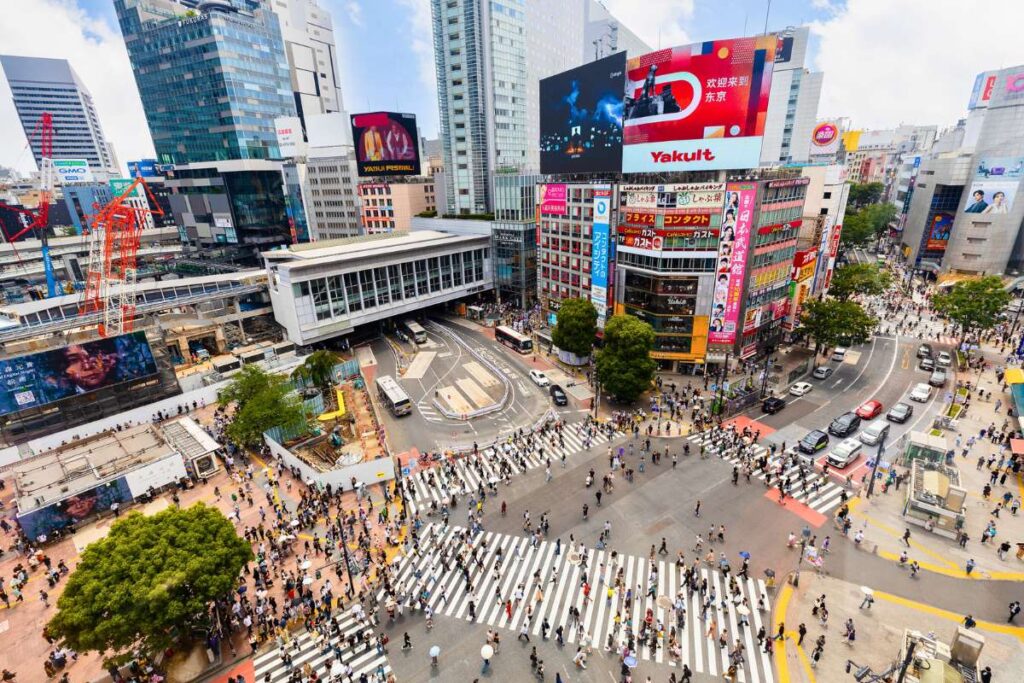
The view overlooking Shibuya Crossing.
Since Tokyo is quite large, I’m going to break down the attractions by area. After visiting multiple times, I’ve found that grouping sights this way makes exploring the city much easier and helps minimize time spent in transit.
- 🌆 Shinjuku: This lively district is packed with plenty of things to do. Here, you can take a peaceful stroll through the Shinjuku Gyoen National Garden, appreciate the panoramic views from the Tokyo Metropolitan Government Building, and snap a photo with the iconic Godzilla Head in Kabukicho. At night, head to Omoide Yokocho or Golden Gai for tiny alleyway bars and a unique look at Tokyo nightlife.
- 🛍️ Shibuya: Home to the famous Shibuya Crossing (yes, it’s as chaotic as it looks!), this area is a hub of energy and youth culture. Don’t miss the sky-high views from Shibuya Sky, pay a visit to the peaceful Meiji Shrine, and explore the nearby neighborhoods of Harajuku and Omotesando for trendy fashion and cute cafes.
- 🏯 Central Tokyo: Want to mix tradition with modern flair? Central Tokyo has you covered. You can walk around the Imperial Palace, visit the tucked-away Hie Shrine, get that classic skyline view from Tokyo Tower, and sample delicious street food at Toyosu Market or the Tsukiji Outer Market. For something truly unique, visit the immersive art exhibitions at teamLab Planets or teamLab Borderless.
- ⛩️ Asakusa: Step back in time in Asakusa, home to Senso-ji, Tokyo’s oldest and most famous temple. Along the way, you’ll pass by Nakamise-dori, a street lined with traditional snacks and souvenirs. Nearby, you can also visit Tokyo Skytree for panoramic city views or experience one of Japan’s most iconic traditions at a sumo dinner show.
- 🌳 Ueno: If you’re into museums and parks, Ueno is your spot. Spend a couple of hours exploring Ueno Park, then check out a few of these popular museums: Tokyo National Museum, the National Museum of Nature and Science, Tokyo Metropolitan Art Museum, and/or the National Museum of Western Art.
- 🎮 Akihabara: This area is a must-visit for anime, manga, and gaming lovers. Popular destinations here include Radio Kaikan, known for its collectibles; Mandarake, popular for its rare manga; and Super Potato, the go-to spot for retro games. You’ll also find giant electronics stores here packed with the latest gadgets.
- 🗻 Day Trip Options: If you’re looking to explore beyond the city, Tokyo has plenty of great day trip options! Popular picks include the historic town of Kamakura, the vibrant port city of Yokohama, the stunning natural beauty of Nikko National Park, the iconic Mount Fuji area, and the unique charm (& wildlife!) of Nagano.
🌟 Need help planning your time in Tokyo? Check out my 4 day Tokyo itinerary for a full day-by-day breakdown!
Where to Stay in Tokyo
My favorite place to stay within Tokyo is in Central Tokyo – typically in Ginza or near Tokyo Station.
I find the area to be really convenient in terms of transportation, especially if you plan to take a few day trips outside of the city.
In addition to this, it’s home to numerous hotels as well as bars, restaurants, cafes, and shopping centers – which makes it an excellent option, especially for first-time visitors.
Aside from this, a few other popular places to stay in Tokyo include:
- Shinjuku: If you’d like to be in the midst of all the action, then Shinjuku is your best bet. Here, you’ll have easy access to restaurants, shopping, nightlife, and several notable attractions – all within walking distance.
- Shibuya: Home to some of the best shopping in the city, Shibuya is a great option for those in need of some retail therapy. In addition to this, the area is home to a number of trendy restaurants, bars, and cafes.
- Asakusa: Perfect for travelers seeking a more cultural experience, Asakusa (aka “Old Tokyo”) offers a relaxed, more historic atmosphere. Here, you’ll find charming local shops, traditional low-rise buildings, and a number of smaller temples and shrines, including the famous Senso-ji Temple.
- Ueno: A quieter alternative to Tokyo’s busier neighborhoods, Ueno is ideal for those looking to escape the crowds. Known for its more laid-back, local vibes, the area is home to a number of budget and family-friendly accommodations.
🧳 My Experience: One of my favorite places to stay in Tokyo is the Ginza Hotel by Granbell. It’s located right on Ginza Corridor Street, meaning it’s just a short walk from Shimbashi Station. It’s also surrounded by some of the best dining and nightlife in the area!
Stop 2: Kyoto – 4 Days
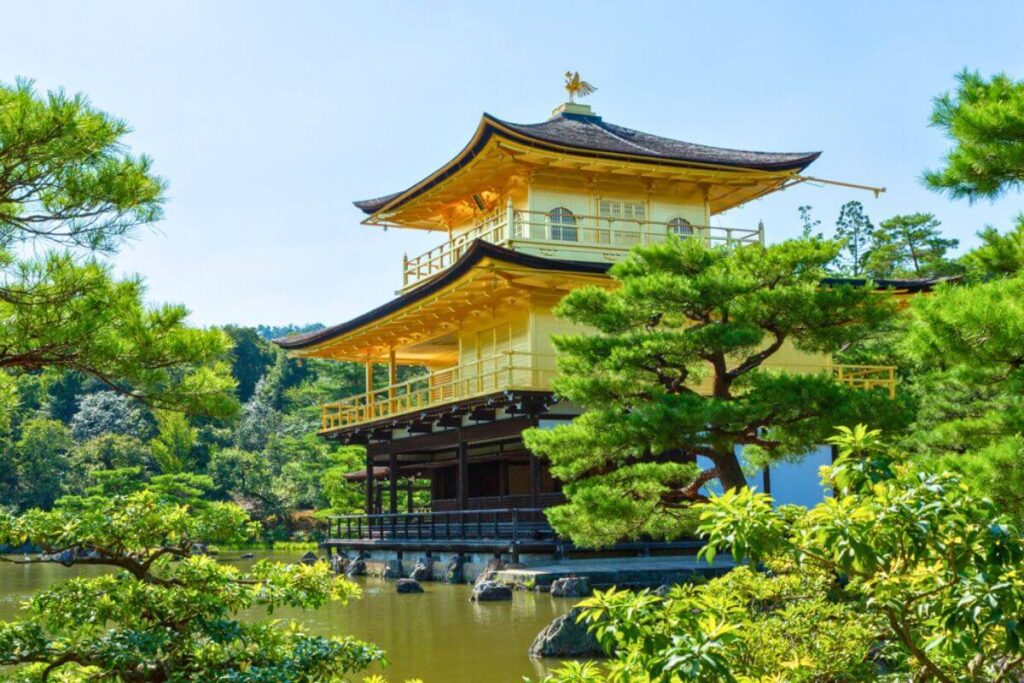
The Golden Pavilion (aka Kinkaku-ji) in Kyoto.
Known as the “City of Ten Thousand Shrines,” Kyoto is one of Japan’s most historic and culturally rich destinations.
As the former capital of the country (a position it held for over a thousand years!), the city is filled with ancient temples, sacred shrines, imperial palaces, and beautifully preserved traditional gardens.
Needless to say, there’s a lot to explore here – and you only have four days! So, it’s important to make every moment count!
For this itinerary, I recommend spending three days discovering the highlights of Kyoto. Then, on your fourth day, you can head out on a day trip to Nara or Uji!
How to Get to Kyoto
The fastest and easiest way to travel from Tokyo to Kyoto is via the Shinkansen bullet train.
You can take the Tokaido Shinkansen Line from Tokyo Station or Shinagawa Station directly to Kyoto Station.
Travel time for this varies from about 2 to 3.5 hours, depending on the train.
Best Things to Do in Kyoto

Torii gates at Fushimi Inari Taisha in Kyoto.
Kyoto is filled with incredible temples, shrines, and historic sites, so narrowing down what to do and see can be challenging. After several visits, I’ve found that focusing on a mix of iconic landmarks and quieter spots helps create a more balanced itinerary.
- ⛩️ Appreciate Kyoto’s Shrines & Temples: Kyoto is home to so many temples and shrines that it would be impossible to list them all here! That aside, a few of the most notable include: the Golden Pavilion (aka Kinkaku-ji), the iconic Fushimi Inari Shrine with its endless red torii gates, and Kiyomizu-dera, which offers stunning views of the city. For a more off-the-beaten-path experience, be sure to also check out Adashino Nenbutsuji Temple and Nanzenji Temple.
- 🍵 Explore the Gion District: The historical heart of Kyoto, Gion is the place to go to soak up classic old-world Japanese charm. Here, you can wander through narrow alleyways like Shimbashi Street, visit local tea houses, and appreciate the views of Yasaka Pagoda. If you’re lucky, you may even catch a glimpse of a geisha!
- 🏯 Discover Kyoto’s Royal Past: As the former capital of Japan, Kyoto is home to two important imperial sites – Kyoto Imperial Palace and Nijo Castle. While the Imperial Palace served as the emperor’s official residence for more than 500 years, Nijo Castle was home to Japan’s most famous shogun (aka warlord).
- 🎋 Visit Arashiyama District: Most famous for its beautiful bamboo groves, Arashiyama is the perfect nature-filled escape. Here, you can explore the Arashiyama Bamboo Forest, go for a boat ride down the Hozugawa River, and observe free-roaming monkeys at the Monkey Park Iwatayama.
- 🦌 Head Out on a Day Trip: Kyoto offers easy access to two incredible destinations – Nara and Uji. While Nara is best known for its friendly, free-roaming deer and impressive historic landmarks, Uji is a quieter, more laid-back destination celebrated for its delicious matcha, serene temples, and peaceful riverside views.
🌟 Not sure how to spend your time in Kyoto? Check out my detailed Kyoto itinerary for day-by-day advice and guidance!
Where to Stay in Kyoto
In my opinion, the best place to stay in Kyoto for first-time visitors is in the downtown area, right in the heart of the city.
Its central location offers easy access to many of the city’s top attractions – not to mention, public transportation here is widely and readily available.
On top of that, the downtown area is packed with a variety of hotels, restaurants, cafes, shops, bars, markets (including Nishiki Market!), and lively nightlife, making it an excellent option for first-time visitors.
That said, a few other popular places to stay in Kyoto include:
- Southern Higashiyama: Encompassing the historical district of Gion, Southern Higashiyama is perfect for those looking for a more traditional Japanese experience. Here, you’ll find a variety of historic Japanese buildings, quaint shops and cafes, traditional ryokans, and several notable landmarks.
- Kyoto Station: The area around Kyoto Station is incredibly convenient if you plan to take a few day trips outside of the city. It also happens to be home to several modern shopping malls, restaurants, hotels, and nighttime venues.
- Central Kyoto: A quieter, more refined part of the city, Central Kyoto is ideal for those looking for a more relaxed, slower stay. While still centrally located, it offers a more peaceful atmosphere full of hidden gems.
- Arashiyama: Situated about 30 minutes from central Kyoto, Arashiyama is perfect for those looking for a nature-filled stay. Although it can be a bit touristy at times, the area offers convenient access to the city’s bamboo groves, peaceful rivers, and scenic landscapes.
🧳 My Experience: I stayed at Kyoto Brighton Hotel when my mom came to visit me in Japan, and we both really enjoyed it. It’s in a quieter part of Central Kyoto, which gave it more of a relaxed feel away from the busiest tourist areas.
Stop 3: Osaka – 2 Days

Dotonbori River in Minami District, Osaka.
The final stop on our itinerary is the lively city of Osaka, a destination known for its unique mix of culture, history, and entertainment.
Here, you’ll find iconic landmarks, bustling districts, delectable street food, and vibrant nightlife. Not to mention easy access to several nearby destinations.
It goes without saying, but there’s a lot to experience here! So, it’s important to make the most of your time.
For this itinerary, I recommend spending one day exploring Osaka’s main attractions. Then, you can head out on the second day for a quick side trip to Himeji or Kobe.
How to Get to Osaka
There are two main options for those traveling from Kyoto to Osaka:
- 🚆 JR Special Rapid Service: Travels from Kyoto Station to Osaka Station in about 30 minutes. This is typically the most budget-friendly option.
- 🚄 Shinkansen: Runs from Kyoto Station to Shin-Osaka Station in roughly 15 minutes.
Although the bullet train is the faster of the two, I still recommend taking the special rapid service train.
Not only is it more affordable, but it drops you off closer to the city center.
Unless you have the Japan Rail Pass (which I don’t recommend for this particular itinerary), the bullet train just isn’t worth it.
Best Things to Do in Osaka

The pagoda at Shintenno-ji Temple in Osaka.
During my time exploring Osaka, I’ve found that the city is best experienced through a mix of history, food, and entertainment. Combining Osaka’s famous attractions with its unique neighborhoods and local food scene gives you the best feel for what makes this city so special!
- 🏯 Discover Historical Landmarks: Osaka is home to some fascinating historical landmarks. While Osaka Castle is undoubtedly the city’s most famous (and rightly so), another one that I’d recommend is Shinsekai “New World” District, which features the famous Tsutenkaku Tower. This nostalgic, retro district offers a unique glimpse into early 20th-century Japan.
- 🌃 Explore the Minami District: Encompassing the areas of Namba, Dotonbori, and Shinsaibashi, Minami is Osaka’s top shopping and entertainment hub. Here, you’ll find a variety of shopping malls, restaurants, bars, clubs, karaoke venues, and street food vendors. The area is even home to the city’s famous lion head shrine, Namba Yasaka Shrine.
- ⛩️ Visit Osaka’s Shrines & Temples: Speaking of shrines, Osaka features several historic religious sites. Some of the most notable include Shintenno-ji Temple, Japan’s oldest Buddhist temple, and Sumiyoshi Taisha Shrine, which is known for its beautiful and peaceful setting.
- 🍜 Indulge in Osaka’s Street Food: Osaka is often called the “Kitchen of Japan,” and for good reason – the food here is incredible! Head to Kuromon Ichiba Market to sample some of the best local cuisine in the city. And don’t forget about Dotonbori, which is known for its abundant street food vendors.
- ⚓ Venture Out on a Day Trip: Osaka offers easy access to two of my favorite cities – Himeji and Kobe. While Himeji is a small city known for its rich history and iconic castle, Kobe is a charming seaside destination celebrated for its laid-back atmosphere and incredible local cuisine. A visit to either (or both if you have extra time!) is sure to be exciting and memorable!
🌟 Looking for more insight on Osaka? Check out my Osaka itinerary for a full breakdown on what to do in the city!
Where to Stay in Osaka
Whenever I visit Osaka, I usually stay right in the heart of the city in either Dotonbori or Namba.
Both of these areas offer easy access to a variety of bars, clubs, restaurants, cafes, shopping streets, and (most importantly!) street food vendors.
In addition, public transportation is readily available – making it quite easy to get around and explore other parts of the city.
That said, here are a few other popular places to stay in Osaka:
- Umeda: Situated close to Osaka Station, Umeda is a convenient spot for a short trip into the city. The area, which is the main business district for Osaka, features a variety of hotels, restaurants, bars, shopping centers, and cafes.
- Tennoji Area: Located in an older part of the city, Tennoji offers affordable accommodations with more relaxed, laid-back vibes. The area is also home to a number of historical sites, local restaurants, bars, and cafes.
- Osaka Castle Area: If you’re planning to spend most of your time exploring Osaka Castle, then you might as well grab a hotel nearby. There are a number of hotels located close to the castle. And many of them offer incredible views of the city’s most iconic landmark.
🧳 My Experience: My husband and I really enjoyed Hotel Vista Osaka Namba. It’s located just steps away from Dotonbori River, where you’ll find Osaka’s main dining and nightlife hub.
More Than 10 Days in Japan

The floating torii gate near Miyajima Island.
While this guide covers Japan’s classic Golden Route, there are so many other incredible destinations worth adding to your itinerary – if you have extra time. From historic cities and cultural landmarks to tropical islands and scenic landscapes, these are a few of my favorite places to consider for a longer trip.
- Hiroshima & Miyajima Island: Head south of Osaka for a few days of exploration in Hiroshima and Miyajima Island. Both destinations offer a mix of natural scenery, rich history, incredible cultural sites, and delectable local cuisine!
- Tokyo Extended: Prolong your stay in Tokyo and explore more of the city. A few additional attractions worth mentioning include the Tokyo Disney Resorts (encompassing Tokyo Disneyland and DisneySea) and the Harry Potter Studio Tour.
- Osaka Extended: Similarly, you can extend your stay in Osaka to see more of the city and surrounding area. This is also a great option if you’re interested in visiting Universal Studios Japan.
- Kyushu: For a more off-the-beaten-path adventure, head to Kyushu. Here, you can explore the incredible southern cities of Fukuoka, Beppu, and Nagasaki!
- Okinawa: If you’d like a bit of fun in the sun, venture down to Okinawa. The islands here are home to crystal clear waters, white sandy beaches, and endless sunshine!
🌟 Looking for more inspiration? Don’t miss my roundup of the best places to visit in Japan for first-timers!
How to Get to Japan: Airports & Arrival Tips

Now that you’ve got a sense of how to shape your itinerary (and maybe even extend it!), let’s take a step back and cover the essentials – starting with how to get to Japan.
Most travelers arrive in Japan via Tokyo, as it’s the main international gateway and the starting point for this itinerary.
From there, getting into the city from either airport (Narita or Haneda) is quite straightforward, with several transit options to choose from.
Traveling From Narita Airport to Tokyo
Narita Airport is actually located outside of Tokyo in the nearby city of Narita.
While it does take a bit longer to travel from the airport to downtown Tokyo, there are several transportation options available for you to choose from.
Here’s a quick breakdown of the most popular ways to travel into the city:
- 🚆 Narita Express (N’EX): The Narita Express offers direct service to several major stations, including Tokyo Station, Shibuya Station, and Shinjuku Station. While travel times vary depending on your destination, it takes about one hour to reach the downtown area and costs approximately 3,000 yen one way.
- 🚄 Keisei Skyliner: An alternative to the N’EX, the Keisei Skyliner is another express train that offers direct service to Nippori Station and Ueno Station in downtown Tokyo. The ride takes around 40–50 minutes and costs about 2,300 yen one way.
- 🚃 Local Train: Various local JR and Keisei lines connect Narita Airport with central Tokyo. Travel times average between 80–120 minutes, with ticket prices ranging from 1,000 to 1,500 yen each way.
- 🚌 Airport Limousine Bus: The Airport Limousine Bus offers direct service to several major train stations and hotels in the city. While travel times and prices vary depending on your final destination, it takes about 90 minutes to reach central Tokyo and costs around 3,100 yen one way.
- 🚖 Taxi or Private Transfer: Taxis and private transfers offer convenient, door-to-door service but come with a higher price. While taxis typically cost about 30,000 yen, private transfers start at around 18,000 yen and increase depending on the size of the car. Travel time to the city center takes about 90 minutes, depending on traffic.
Traveling From Haneda Airport to Tokyo
Haneda Airport, on the other hand, is located within city limits. This generally makes the journey into Tokyo quicker and more affordable.
Here’s a quick breakdown of the most popular ways to travel to downtown Tokyo:
- 🚆 Tokyo Monorail: The Tokyo Monorail offers direct service to Hamamatsucho Station, which lies just outside of the city center. Travel time takes about 15 minutes and costs around 500 yen. From here, you can transfer to the JR Yamanote Line or another local subway line to reach your final destination.
- 🚈 Keikyu Line: The Keikyu Line provides transportation to Shinagawa Station in southern Tokyo. Travel time takes about 15–20 minutes and costs 330 yen. From Shinagawa, you can easily transfer to a variety of other train lines to reach your accommodations.
- 🚌 Airport Limousine Bus: The Airport Limousine Bus provides direct service to major train stations and hotels throughout the city. Depending on your final stop, travel time ranges from 30 to 60 minutes, and tickets typically cost between 1,000 and 1,500 yen.
- 🚖 Taxi or Private Transfer: It takes about 30-40 minutes to travel to central Tokyo by taxi or private transfer. While taxis cost around 7,000–11,000 yen, private transfers usually start at around 11,000 yen and increase depending on the size of the vehicle.
How to Get Around Japan
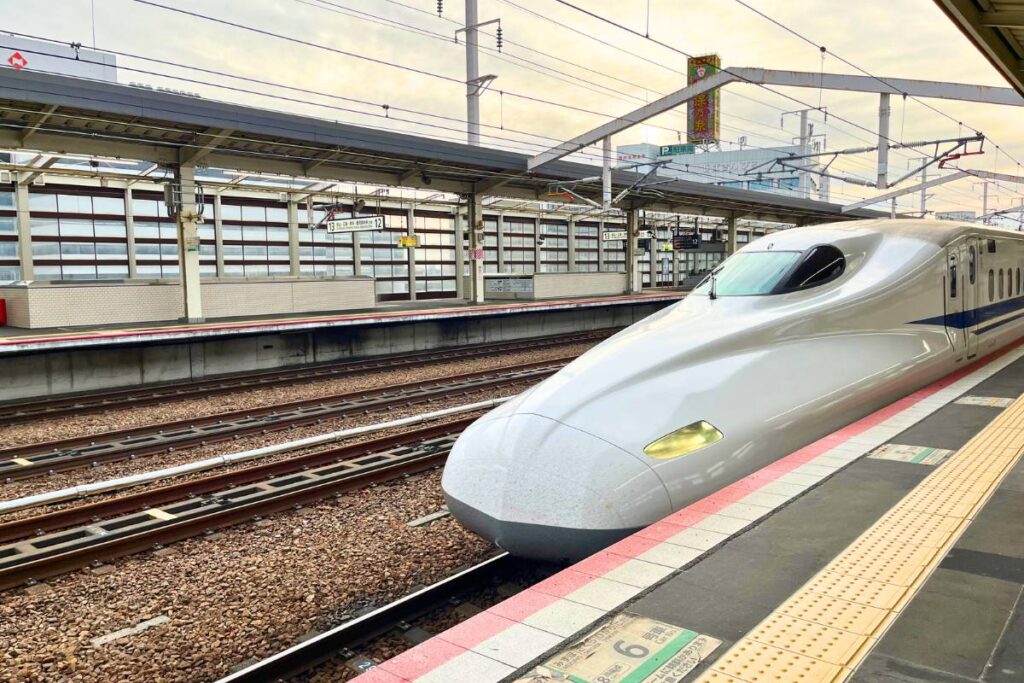
The bullet train in Japan.
Once you arrive in Japan, you’ll notice that it’s quite easy to get around, even as a first-time visitor.
Japan is home to an extensive and incredibly reliable public transportation system that is surprisingly easy to navigate – with translation assistance (aka Google Translate & Google Maps).
Below, I’ve provided a quick breakdown of how you can get around Japan, both locally and between cities!
Traveling Within Cities
When traveling locally within cities, you’ll mostly rely on subways, buses, and occasionally trams, depending on the region.
While you can purchase individual transit tickets as you go, I recommend using an IC Card instead.
These prepaid, rechargeable transportation passes are valid on most forms of local transit across the country. So, you only need one for your entire trip!
You can purchase them upon arrival at the airport or from any major train station.
Or, alternatively, if you have an iPhone, you can download an IC Card directly to your Apple Wallet. Unfortunately, this option isn’t available for Android users yet.
🌟 Thinking about getting an IC card? Check out my guide to IC cards for first-time visitors!
Traveling Between Cities
Meanwhile, to travel between cities, you’ll typically utilize regional trains or the Shinkansen (aka bullet train).
While you can use IC Cards to travel aboard most regional trains, they are not valid on the Shinkansen. So, you’ll need to purchase separate tickets if you plan to travel by bullet train.
You can pre-book Shin tickets online or purchase them upon arrival at the train station.
However, I do suggest booking them in advance, especially if you plan to visit during the busy season.
💡 Pro Tip: While the Japan Rail Pass (which is a discounted pass for the bullet train) is a great option for those traveling to multiple destinations in a short timeframe, I don’t recommend it for this 10 day itinerary. Simply put, it’s much more cost-effective to purchase your tickets individually.
Best Time to Visit Japan
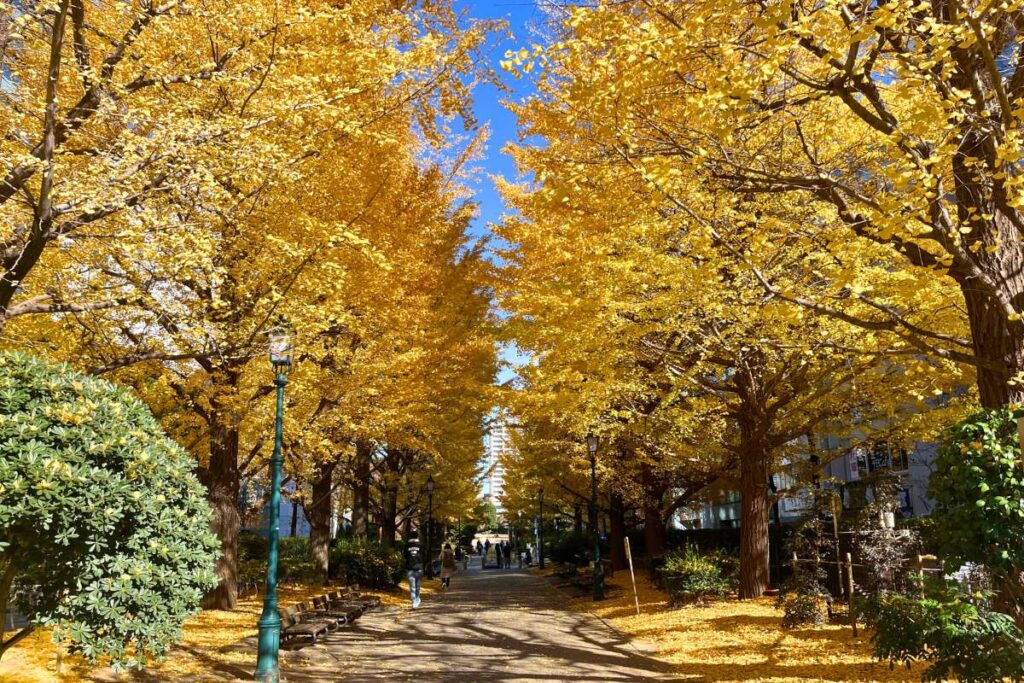
Tokyo is quite beautiful in the fall!
Once you’ve figured out all of your transit logistics, the next step is deciding when to go.
Generally speaking, the best time to visit Japan is either in the spring or the fall.
During both of these seasons, you’re likely to encounter mild temperatures, minimal rain, and plenty of sunshine.
That said, spring and fall are also peak travel seasons for the country. So, you should expect larger crowds and longer wait times – especially during cherry blossom season.
If you wish to avoid this, consider visiting in winter. While temperatures will certainly be colder, the country is typically less crowded and offers more affordable prices.
As an added bonus, your chances of seeing Mt. Fuji increase significantly during the winter months!
And finally, we have summer, which I honestly don’t recommend – at least not for this itinerary.
Summer in Japan is not only hot and humid, but it’s also when the country experiences its rainy season. So, it’s best to avoid this, if at all possible.
💡 Pro Tip: If you plan to visit around the holidays, be sure to set aside some time to check out the festive Christmas markets in Japan!
A Note on Japanese Holidays
Japan has a few major holiday periods that can significantly impact travel. These include Golden Week (late April to early May), Obon (mid-August), and the New Year holiday. During these periods, domestic travel peaks, prices can increase significantly, and some local businesses may temporarily close. If possible, I recommend avoiding travel during these holiday periods – especially if you’re hoping for a more relaxed experience.
Additional Tips for Your 10 Day Japan Itinerary
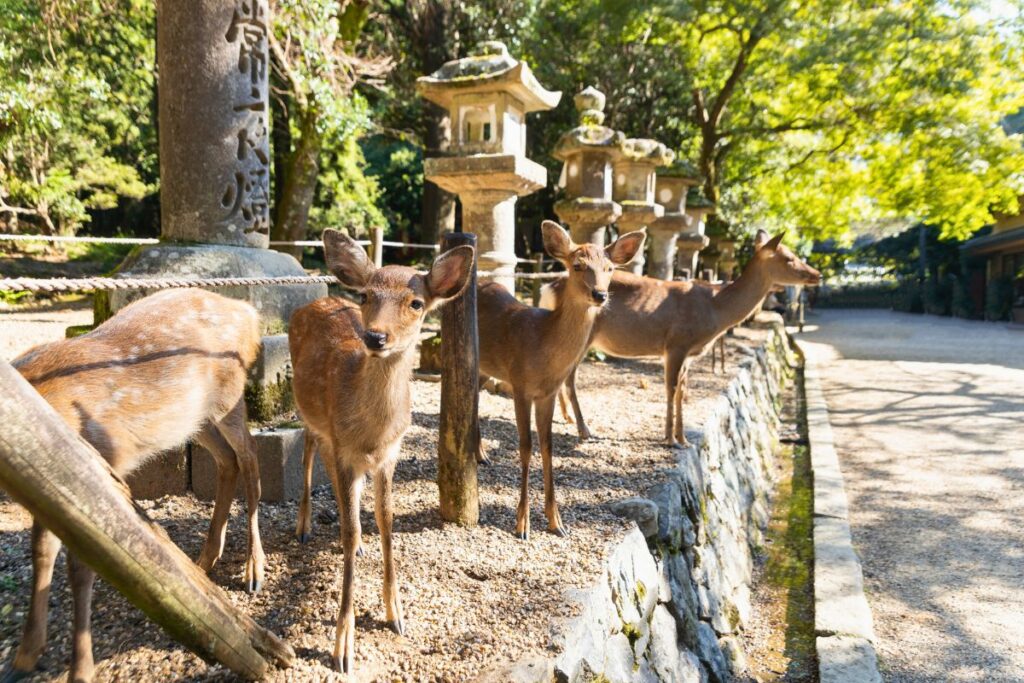
Free-roaming deer in Nara, Japan.
As you plan your trip to Japan, here are a few additional pointers to keep in mind!
Download Google Translate – And Make It Available Offline
Unless you’re fluent in Japanese, chances are you’ll need some help navigating the language barrier. And, for that, I highly recommend Google Translate.
In my opinion, it’s one of the best apps to have in Japan, offering quick, real-time translations between English and Japanese.
You can even snap photos of signs or convenience store items, and it will translate the text for you.
Just be sure to download both the Japanese and English dictionaries for offline use. That way, you have access to it no matter where you go.
Get a SIM Card or Pocket WiFi
To ensure you remain connected while traveling throughout Japan, I recommend purchasing either a SIM card, an eSIM, or a pocket Wi-Fi device.
These are all widely available at most major airports and can be obtained upon arrival.
However, it’s best to reserve them in advance – especially during the busy season – to ensure availability.
Generally speaking, pocket Wi-Fi devices are great for those traveling in groups. Meanwhile, SIM cards and eSIMs are more convenient for solo travelers.
💡 Pro Tip: Your phone must be unlocked in order to use a SIM or eSIM. So, be sure to check with your carrier beforehand to confirm the status of your account.
Book Major Attractions in Advance
Japan is a popular destination – which means many of its attractions book up quickly!
To avoid disappointment, I highly recommend booking tickets, tours, and time slots ahead of time, especially during peak travel season.
Attractions that are especially popular and worth reserving ahead of time include: Shibuya Sky, Tokyo Tower, TeamLab Museums, Tokyo Sky Tree, Tokyo Disney Resorts, Universal Studios Japan, Harry Potter Studio, and unique experiences like the Asakusa Sumo Dinner Show.
Hotels, trains, car rentals, and even popular restaurants are also known to book up quickly, especially during peak travel seasons. So, I recommend booking these in advance whenever possible as well.
Be Sure to Carry Some Cash (Yen!)
While many major establishments in Japan now accept credit cards, you’ll still encounter smaller shops, restaurants, and attractions that are cash-only.
Given this, it’s a good idea to carry some yen with you – just in case you need it.
You can exchange money before your trip or withdraw cash upon arrival.
In fact, most convenience stores in Japan (like 7-Eleven and Family Mart) have ATMs that are foreigner-friendly. So, withdrawing cash is quick and easy.
Pack Comfortable Walking Shoes
Even though Japan has an extensive public transportation system, you’ll still end up walking quite a bit – often more than you expect!
So, be sure to pack a comfortable pair of walking shoes – you’ll be glad you did.
Trust me, there’s nothing worse than traveling with sore feet!
Complete Your Immigration Forms Online
To expedite your entry into the country, I recommend completing your immigration and customs forms a day or two before your departure.
You can do so through Japan’s official website – Visit Japan Web.
Simply input your information, and the system will generate a QR code that you can scan upon arrival at the airport.
This bypasses the need for paperwork and can save you time at Immigration and Customs.
💡 Pro Tip: If you know you won’t have service when you land, be sure to screenshot your QR code and save it to your photo gallery.
Don’t Overdo Your Itinerary
Japan has so much to offer, and while it may be tempting to try and see everything, it simply isn’t possible – and that’s okay.
Instead of cramming in too much, focus on the places and experiences that matter the most to you.
This will allow you to more fully enjoy your trip at a more relaxed pace. Plus, it’ll leave more room for spontaneous discoveries along the way.
Frequently Asked Questions About Planning a 10 Day Itinerary for Japan

Here are my thoughts on some commonly asked questions about visiting Japan for 10 days.
Is Japan Worth Visiting?
Yes, without a doubt, Japan is absolutely worth visiting! Although I must admit, I am a bit biased in saying that, as I live here. That aside, the country has so much to offer. From ancient temples and time-honored traditions to vibrant cities, stunning landscapes, and absolutely delicious food – Japan truly has something for everyone!
Do You Need a JR Pass for 10 Days in Japan?
For this specific 10 day Japan itinerary, I don’t advise getting a Japan Rail Pass. Simply put, the pass is much more expensive than purchasing individual tickets. If you were staying longer or traveling further, it might be worth it. But you’d really need to visit several destinations to get your money’s worth. If you’d like to calculate the costs for your own trip, you can use this Japan Rail Pass Calculator to compare prices.
How Much Does 10 Days in Japan Cost?
There’s really no clear-cut answer to this, as it largely depends on the accommodations you choose and the activities you partake in. That being said, on the lower end, I’d recommend budgeting at least $1,500 (not including flights) for a 10 day Japan itinerary. Although I think $2,000 is probably a safer number. Of course, this cost could increase greatly if you opt to stay in high-end hotels, plan to take private tours, or want to do a lot of shopping.
Is It Better to Stay in Kyoto or Osaka During a 10 Day Japan Trip?
Ideally, I think it’s worth it to spend time in both cities, especially on a 10 day trip. But if you’d rather not move around as much, then I would recommend Kyoto. There’s a lot more to do here, and other cities (like Nara, Uji, and even Osaka) are all easily accessible. That said, if you’re a big foodie or are interested in experiencing Japan’s nightlife, then Osaka is the better choice for you.
What Is The Golden Route In Japan?
The Golden Route is a popular itinerary that many visitors follow during their first trip to Japan. Like the itinerary I’ve provided here, it includes stops in Tokyo, Kyoto, and Osaka – Japan’s three most famous cities. Some variations of the Golden Route have also been known to include Hakone, Nara, Hiroshima, and Miyajima Island.
Final Thoughts: 10 Day Japan Itinerary
After exploring Japan, I’ve learned that there’s no single “perfect” itinerary — the best route depends on your interests, travel style, and how much time you have.
That said, this 10 day Japan itinerary is a great introduction to the country, combining the excitement of Tokyo, the history and culture of Kyoto, and the incredible food scene of Osaka.
While 10 days won’t allow you to see everything Japan has to offer, it’s enough time to experience some of the country’s most iconic destinations while leaving you with plenty of reasons to come back!
Planning your own itinerary for Japan? What are you most excited to do? Let me know in the comments below!
Enjoy this 10 day Japan itinerary? Pin it now for later!



KRYSTI ATKINSON
Krysti is a travel writer currently based in Okinawa, Japan. Over the past 3+ years, she has explored Japan extensively while traveling throughout Asia – from iconic cities to quiet, off-the-beaten-path destinations. Through Wanderful Horizons, Krysti shares detailed itineraries, practical travel tips, and firsthand recommendations to help travelers plan unforgettable adventures.